Plastic pellet pneumatic conveying equipment is a specialized system designed to transport plastic pellets or granules through a pipeline using air or other gas as the conveying medium. This technology is widely used in the plastics industry for efficient and dust-free material handling, ensuring that plastic particles are moved from one location to another without the need for mechanical components like belts or buckets. The equipment plays a crucial role in various production processes, from raw material transport to finished product handling, enhancing operational efficiency and maintaining product quality. HeadPowder, a leading manufacturer based in Shandong, China, specializes in the design and production of such equipment, providing customized solutions tailored to the specific needs of their clients.
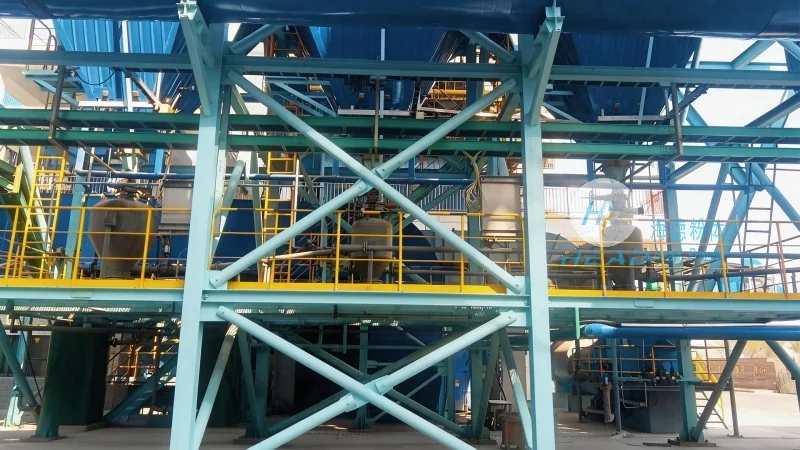
Understanding the Core Function of Plastic Pellet Pneumatic Conveying Equipment
The primary function of this equipment is to facilitate the movement of plastic pellets through a sealed pipeline system. By utilizing air pressure, the system creates a flow that propels the pellets forward, eliminating the need for manual handling or traditional conveyor systems. This method not only reduces labor costs but also minimizes the risk of contamination and product degradation, which are common issues in traditional material handling methods. The equipment is particularly beneficial for industries dealing with hygroscopic or sensitive plastic materials, as it maintains a controlled environment throughout the conveying process.
Key Design Principles Behind Plastic Pellet Pneumatic Conveying Systems
The design of plastic pellet pneumatic conveying equipment is based on several fundamental principles that ensure optimal performance and reliability. These principles include the selection of appropriate air pressure, the use of suitable pipeline materials, and the implementation of efficient separation and filtration systems. The system typically operates under positive or negative pressure, depending on the specific application and material characteristics. Positive pressure systems use compressed air to push the pellets through the pipeline, while negative pressure systems create a vacuum to draw the material. The choice between these two modes depends on factors such as the distance to be covered, the type of plastic, and the desired flow rate.
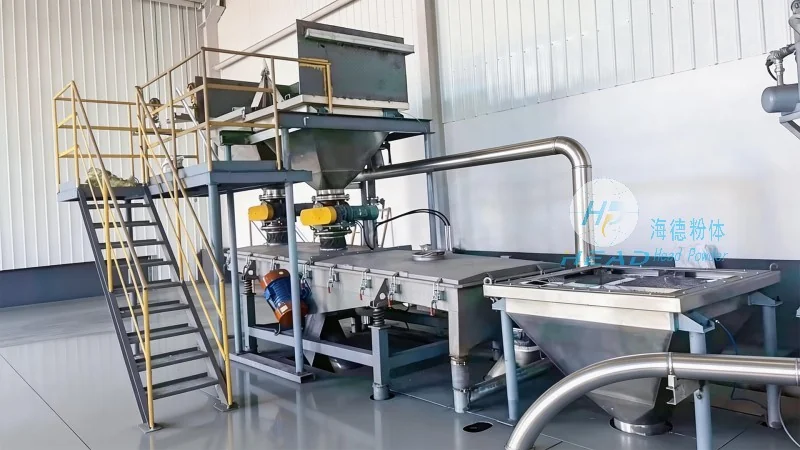
Components and Their Roles in the Conveying Process
Plastic pellet pneumatic conveying equipment consists of several key components that work in tandem to achieve the desired material transport. These components include the hopper or feeder, which holds the plastic pellets and controls the flow rate; the air compressor or vacuum pump, which provides the necessary pressure or vacuum; the pipeline system, which transports the pellets; and the receiver or discharge unit, which collects the material at the destination. Each component is carefully designed to handle the specific characteristics of plastic pellets, such as their size, density, and moisture content. For example, the feeder may use a rotary valve or a screw feeder to ensure a consistent and controlled flow of pellets into the pipeline, preventing blockages and maintaining system efficiency.
Advantages of Using Plastic Pellet Pneumatic Conveying Equipment
Implementing plastic pellet pneumatic conveying equipment offers numerous advantages over traditional material handling methods. One of the most significant benefits is the reduction in dust and contamination, as the system operates in a sealed environment. This is particularly important for food-grade or medical-grade plastics, where hygiene is paramount. Additionally, the equipment is highly flexible and can be easily integrated into existing production lines, allowing for adjustments in flow rate and direction as needed. The system also minimizes the risk of product damage, as the pellets are not subjected to mechanical friction or impact during transport. Furthermore, pneumatic conveying systems are energy-efficient, as they use less power compared to traditional conveyor systems, contributing to lower operational costs over time.
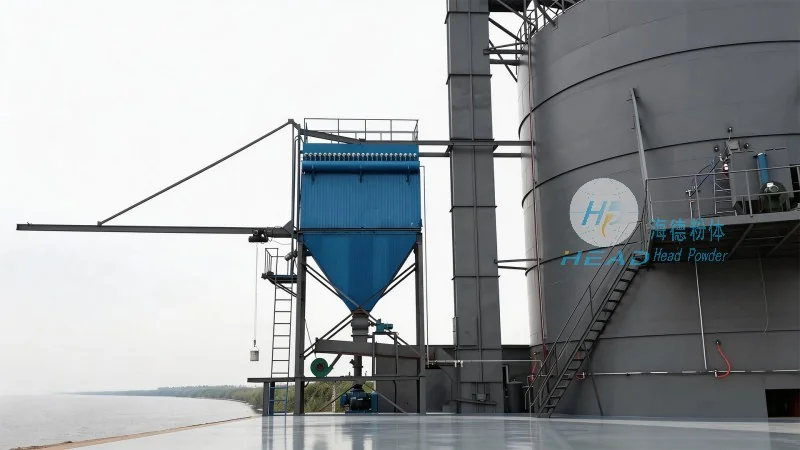
Applications and Industries That Benefit from This Technology
Plastic pellet pneumatic conveying equipment is widely used across various industries that handle plastic materials. In the manufacturing sector, it is commonly employed in polymer processing plants, where it transports raw plastic pellets from storage to processing machines. The equipment is also used in recycling facilities, where it helps in the transport of recycled plastic pellets from sorting to compounding or molding operations. Additionally, in the packaging industry, the system is utilized to move plastic pellets from storage to packaging lines, ensuring a continuous and efficient supply of raw materials. The versatility of the equipment makes it suitable for a wide range of applications, from small-scale operations to large industrial plants.
Maintenance and Operational Considerations for Plastic Pellet Pneumatic Conveying Systems
Proper maintenance and operational considerations are essential to ensure the longevity and efficiency of plastic pellet pneumatic conveying equipment. Regular cleaning of the pipeline and components is necessary to prevent the buildup of plastic residue, which can affect the system's performance. The air compressor or vacuum pump should be checked regularly for proper functioning, as any issues can lead to reduced conveying efficiency or system failure. Additionally, the feeder and hopper should be inspected for wear and tear, as these components are in direct contact with the plastic pellets and can experience significant wear over time. Proper filtration of the air used in the system is also crucial to prevent dust and debris from entering the pipeline and damaging the equipment. By following these maintenance practices, users can ensure that the equipment operates at optimal levels, minimizing downtime and maximizing productivity.




