Regenerated sand, also known as reclaimed sand, is a critical material in the foundry industry, used for casting processes. The pneumatic conveying system equipment designed to handle this material efficiently is a specialized solution that ensures smooth material transport from one location to another. This article explores the components, operational principles, and design considerations of such a system, with a focus on the expertise of Shandong HeadPowder Engineering Co., Ltd., a leading manufacturer in the field.
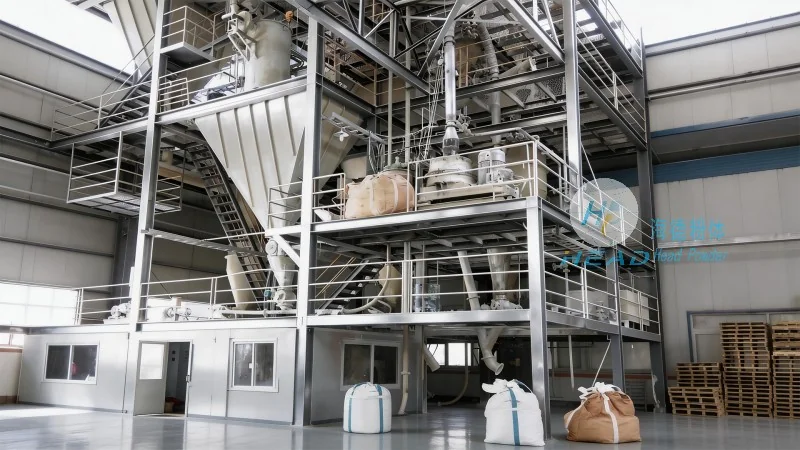
Components of a Regenerated Sand Pneumatic Conveying System
The system typically consists of several key components that work in tandem to achieve effective material transport. These include a hopper or feeder to store and meter the sand, a conveying line (often with a flexible hose or rigid pipe), a compressor or blower to generate the air pressure, and a control system to regulate the flow. The hopper is designed to handle the bulk storage of regenerated sand, ensuring a consistent feed rate to the conveying line. The feeder, such as a rotary valve or screw feeder, controls the amount of sand released into the system, preventing overloading or underfeeding.
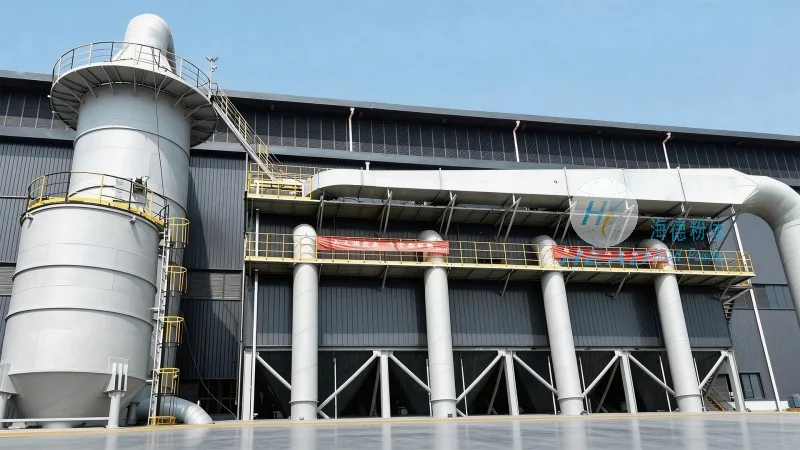
Design Principles and Operational Mechanics
The design of a pneumatic conveying system for regenerated sand focuses on several key principles to ensure efficiency and reliability. The first principle is the selection of the appropriate conveying method, which can be either dilute-phase or dense-phase. Dilute-phase systems use low air-to-material ratios, moving material in a cloud-like state, while dense-phase systems use higher air-to-material ratios, forming a slug of material that moves in a more controlled manner. The choice between these methods depends on the material characteristics, such as particle size, density, and moisture content, as well as the distance and layout of the conveying path.
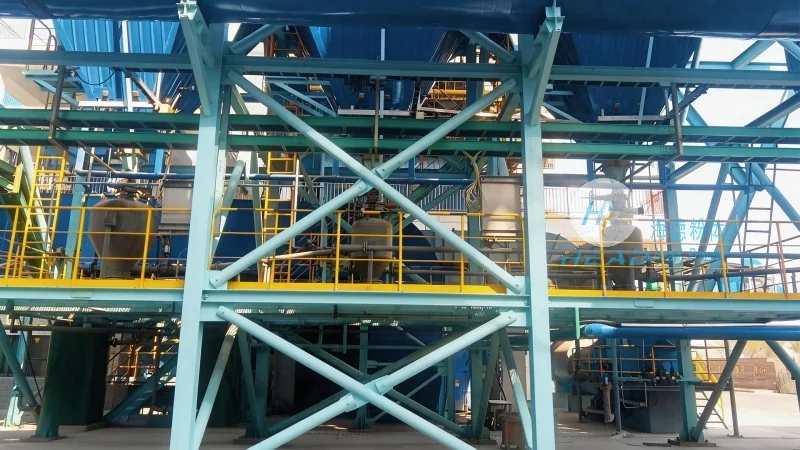
Material Handling Considerations
Handling regenerated sand requires careful consideration of its physical properties. Regenerated sand often contains fine particles and may have a higher moisture content compared to virgin sand, which can affect the conveying efficiency. The system must be designed to prevent clogging or blockages in the conveying line, which can be caused by agglomeration or moisture. To address this, the system may include features such as air filters, moisture separators, and vibration devices to keep the material in a free-flowing state. Additionally, the equipment is constructed from materials that are resistant to abrasion and corrosion, as the sand can be abrasive and may contain chemicals from the casting process.
System Integration and Control
The pneumatic conveying system is often integrated with other foundry equipment, such as sand mixers, molding machines, and storage silos. The control system plays a crucial role in coordinating the operation of these components, ensuring that the regenerated sand is delivered to the correct location at the right time. Modern systems may use sensors and automation to monitor the flow rate, pressure, and temperature, providing real-time data to operators. This allows for adjustments to be made quickly in response to changes in material conditions or system performance.
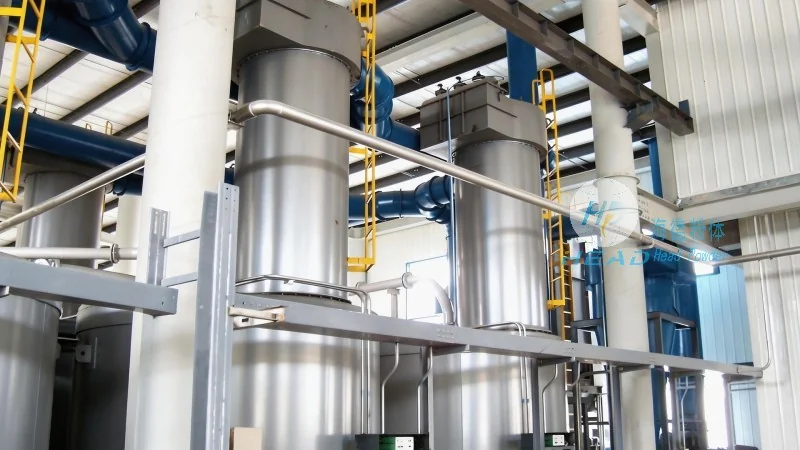
Advantages of Using a Regenerated Sand Pneumatic Conveying System
Implementing a pneumatic conveying system for regenerated sand offers several advantages over traditional methods, such as bucket elevators or belt conveyors. The primary advantage is the ability to transport material over long distances without the need for multiple transfer points, reducing the risk of material loss or contamination. The system is also more compact and can be installed in confined spaces, making it suitable for modern foundry layouts. Additionally, the system is more energy-efficient compared to other methods, as it uses compressed air to move the material, which can be more cost-effective in the long run. Finally, the system is less prone to maintenance issues, as it has fewer moving parts and is less susceptible to wear and tear.




