Understanding the ternary lithium gas - solid conveying system equipment and its design principles is crucial for those involved in the lithium battery manufacturing industry. This equipment plays a vital role in the efficient and safe transportation of ternary lithium materials, which are commonly used in high - performance lithium - ion batteries. The following content will provide a detailed introduction to this equipment and its underlying design principles.
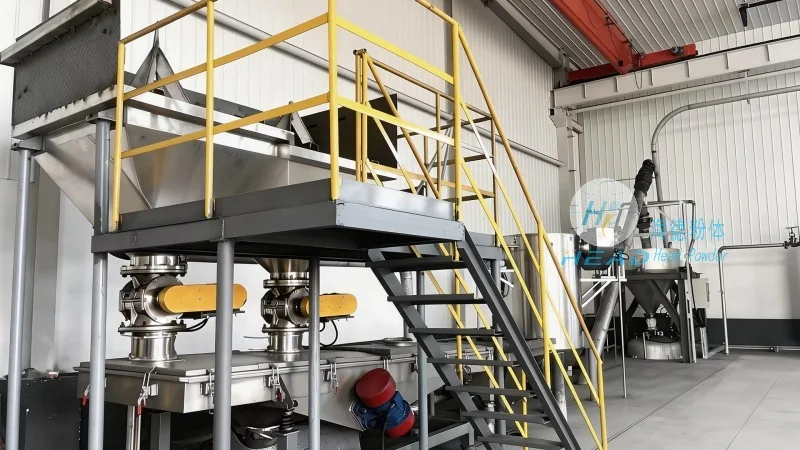
Introduction to Ternary Lithium Gas - Solid Conveying System Equipment
The ternary lithium gas - solid conveying system equipment is a specialized device designed for the pneumatic transportation of ternary lithium compounds. These compounds are typically composed of lithium, nickel, cobalt, and manganese, and are essential components in the production of modern lithium - ion batteries. The system integrates advanced pneumatic conveying technology with precise control mechanisms to ensure the safe and efficient movement of these materials from one processing stage to another within a manufacturing facility.
Key Components and Their Functions
At the core of the ternary lithium gas - solid conveying system are several key components that work in tandem to achieve effective material transport. These components include the material feed hopper, the air compressor or blower, the conveying pipeline, the control valve system, and the material discharge unit. Each component has a specific function that contributes to the overall operation of the system.
The material feed hopper is responsible for storing and feeding the ternary lithium powder into the conveying system. It is designed with a smooth interior surface to minimize material buildup and ensure consistent feeding. The air compressor or blower generates the necessary air pressure to create the airflow that propels the powder through the pipeline. The conveying pipeline is typically made of high - quality, corrosion - resistant materials such as stainless steel to prevent contamination and ensure durability. The control valve system allows for the regulation of air pressure and flow rate, enabling precise control over the conveying process. Finally, the material discharge unit safely releases the conveyed powder at the destination point, such as a mixing or processing unit.
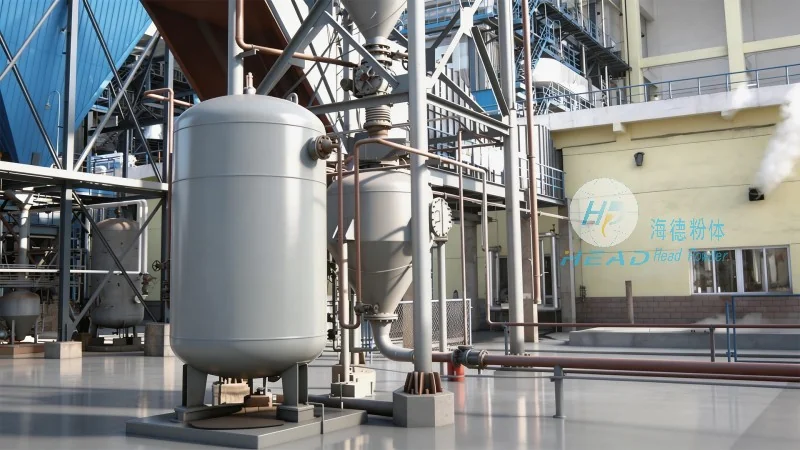
Design Principles of the Ternary Lithium Gas - Solid Conveying System
The design of the ternary lithium gas - solid conveying system is based on several fundamental principles to ensure optimal performance, safety, and efficiency. The first principle is the principle of pneumatic conveying, which relies on the use of air to transport solid particles. This method is particularly suitable for handling fine powders like ternary lithium compounds, as it minimizes material degradation and contamination compared to mechanical conveying methods.
A key design principle is the optimization of air velocity and pressure. The system is designed to maintain an appropriate air velocity within the pipeline to ensure that the powder particles are fully suspended and transported without clogging or deposition. The pressure levels are carefully controlled to prevent excessive wear on the components and to maintain the integrity of the powder particles. Another important principle is the consideration of material properties. The design takes into account the specific characteristics of ternary lithium powder, such as its particle size, density, and flowability, to ensure that the conveying system can handle these materials effectively without causing issues like bridging or agglomeration.
Additionally, the design incorporates safety features to protect both the equipment and personnel. This includes explosion - proof designs for the air compressor and pipeline, as well as dust collection systems to prevent the release of airborne particles. The system is also equipped with monitoring and control systems that allow operators to track the conveying process in real - time and make adjustments as needed to maintain optimal performance.
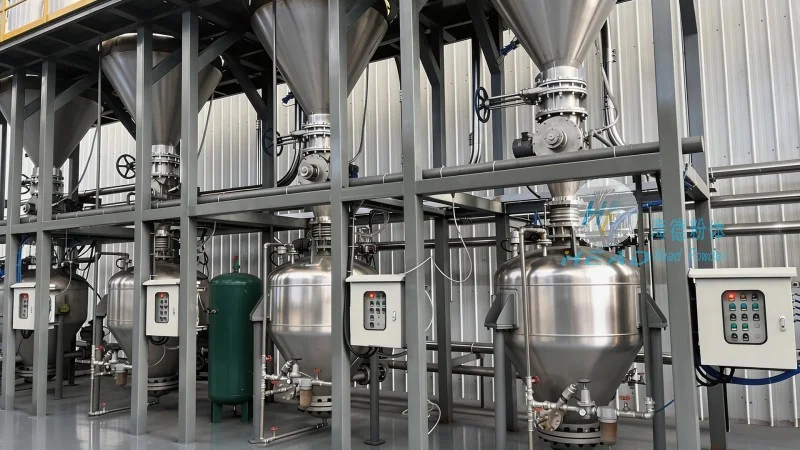
Applications and Benefits in the Lithium Battery Industry
The ternary lithium gas - solid conveying system equipment is widely used in the lithium battery manufacturing industry for various applications. It is commonly employed in the transportation of raw materials from storage to processing units, such as mixing and coating lines. The system also facilitates the movement of intermediate products between different stages of production, ensuring a smooth and continuous manufacturing process.
The benefits of using this equipment are significant. It offers high efficiency in material transport, reducing the time and labor required for material handling. The pneumatic conveying method also minimizes material loss and contamination, which is critical for maintaining the quality of ternary lithium compounds. Furthermore, the system enhances workplace safety by eliminating the need for manual handling of powders, reducing the risk of dust explosions and respiratory issues. The precise control capabilities of the system also contribute to improved product consistency and quality.
Conclusion
In conclusion, the ternary lithium gas - solid conveying system equipment is a sophisticated and essential component in the lithium battery manufacturing process. Its design is based on principles of pneumatic conveying, material optimization, and safety, ensuring efficient and safe transportation of ternary lithium materials. The system, manufactured by Shandong HeadPowder Engineering Co., Ltd., based in China, provides a reliable solution for the material handling needs of the modern lithium battery industry.




