PUR (Polyurethane) powder handling systems are specialized equipment designed to transport and manage polyurethane powders efficiently in industrial settings. These systems are crucial for industries that rely on polyurethane materials, such as manufacturing, construction, and chemical processing, as they ensure safe, reliable, and consistent material transfer. Understanding the fundamentals of PUR powder handling and its design principles is essential for optimizing production processes and maintaining operational efficiency.
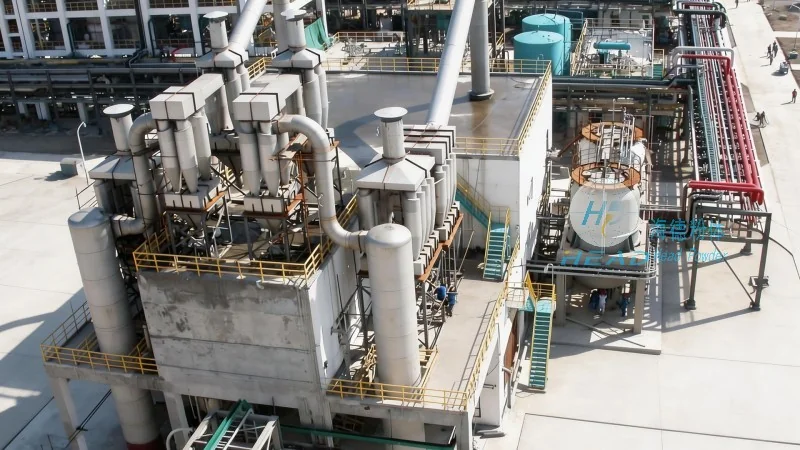
PUR Powder Handling: Core Concepts and Applications
PUR powder handling involves the movement of polyurethane powders from storage to processing equipment, including mixers, extruders, or spray equipment. The primary goal is to minimize material loss, prevent contamination, and ensure consistent flow rates. Common applications include the production of foams, coatings, and composite materials, where precise control over powder characteristics is vital. Effective PUR powder handling systems address challenges like static electricity, dust generation, and material segregation, which can impact product quality and safety.
Design Principles of PUR Powder Handling Systems
The design of PUR powder handling systems is guided by several key principles to ensure optimal performance. First, material compatibility is critical—components such as hoppers, conveyors, and valves must be resistant to polyurethane powders to prevent corrosion or degradation. Second, dust control measures are essential to maintain a safe working environment and comply with regulatory standards. This includes using sealed systems, filtration, and grounding to mitigate static buildup. Third, flow optimization is achieved through proper hopper design, incline angles, and material properties, ensuring smooth and consistent powder movement. Additionally, system integration with other processing equipment, such as dosing or mixing units, is crucial for seamless operation.
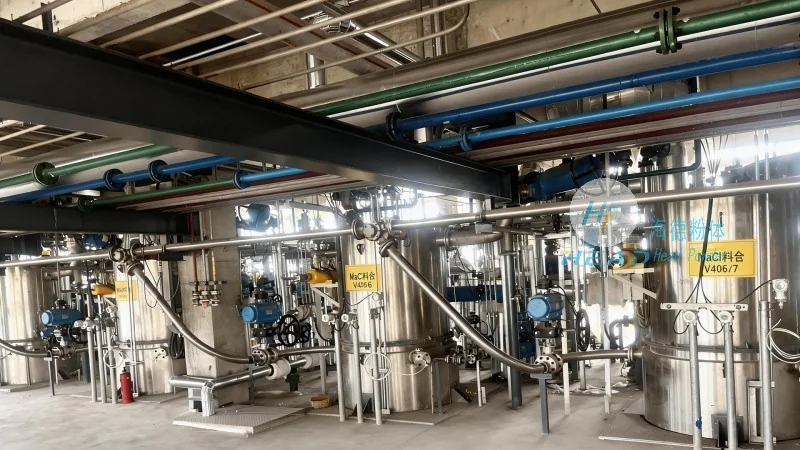
Key Components in PUR Powder Handling Systems
Several components work together to form a functional PUR powder handling system. The primary components include: 1. Hoppers: These containers store the polyurethane powder and are designed with smooth surfaces and proper angles to prevent material buildup or segregation. 2. Conveyors: Various types, such as screw conveyors or pneumatic systems, transport the powder from the hopper to the processing equipment. Screw conveyors are ideal for bulk material transport due to their ability to handle different powder types and maintain consistent flow. 3. Valves: Used to control the release of powder from the hopper, valves must be durable and capable of handling abrasive polyurethane powders. 4. Filters and Dust Collectors: Essential for maintaining air quality and preventing dust emissions, these systems capture fine particles and return them to the process or dispose of them safely. 5. Control Systems: Modern systems often include sensors and automation to monitor flow rates, pressure, and other parameters, ensuring real-time adjustments for optimal performance.
Benefits of Proper PUR Powder Handling
Implementing an effective PUR powder handling system offers numerous benefits for industrial operations. First, it enhances product quality by ensuring consistent powder characteristics, which directly impacts the final product's performance. Second, it improves safety by reducing dust exposure and static-related hazards. Third, it increases operational efficiency by minimizing downtime due to material blockages or system failures. Fourth, it reduces material waste by preventing overfilling or spillage. These benefits collectively contribute to cost savings and improved competitiveness in the market.
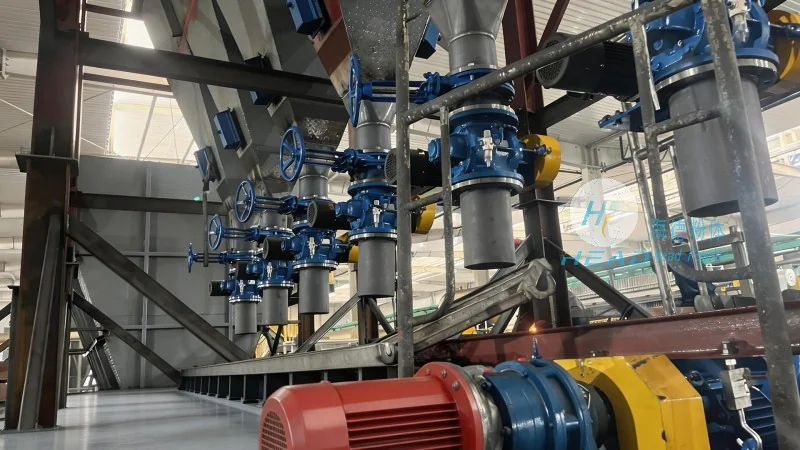
Case Study: Application in Polyurethane Foam Manufacturing
Consider a polyurethane foam manufacturing plant that uses a PUR powder handling system to transport isocyanate and polyol powders. The system includes a large hopper with a screw conveyor, a pneumatic valve for controlled release, and a dust collection unit. By optimizing the hopper's angle and conveyor speed, the plant achieves a consistent flow rate of 500 kg per hour, ensuring precise mixing ratios. The dust control measures, including grounding and filtration, maintain a safe environment with minimal airborne particles. This setup has resulted in a 15% reduction in material waste and a 20% increase in production throughput compared to traditional manual handling methods.
Conclusion: The Importance of Understanding PUR Powder Handling
As industries increasingly rely on polyurethane materials, the importance of efficient PUR powder handling systems cannot be overstated. By adhering to design principles that prioritize material compatibility, dust control, and flow optimization, manufacturers can enhance product quality, ensure operational safety, and improve overall efficiency. Companies like Shandong HeadPowder Engineering Co., Ltd., based in China, specialize in designing and manufacturing such systems tailored to specific industrial needs. Their expertise in PUR powder handling technology helps clients achieve optimal performance and maintain a competitive edge in their respective markets.




