Glucose powder handling is a critical process in various industries, particularly in pharmaceuticals, food processing, and chemical manufacturing. The efficient and safe transfer of glucose powder from one point to another is essential for maintaining product quality, ensuring operational efficiency, and complying with industry regulations. This article explores the fundamentals of glucose powder handling and delves into the key design principles that underpin effective powder handling systems.
Introduction to Glucose Powder Handling
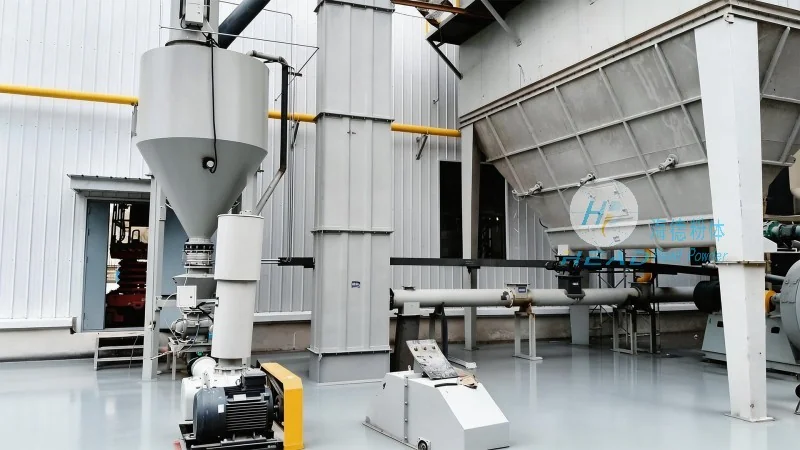
Glucose powder handling involves the movement, storage, and processing of powdered glucose. This material is widely used as a sweetener, nutrient, and raw ingredient in numerous applications, making its proper handling crucial for both product integrity and operational safety. The process typically includes feeding, conveying, dosing, and storage, each step requiring specialized equipment and design considerations to prevent issues such as caking, segregation, and dust generation.
Key Design Principles for Glucose Powder Handling Systems
Effective glucose powder handling systems are built on several core design principles that address the unique properties of glucose powder. These principles ensure that the system operates reliably, maintains product quality, and minimizes risks associated with powder handling. The primary design considerations include:
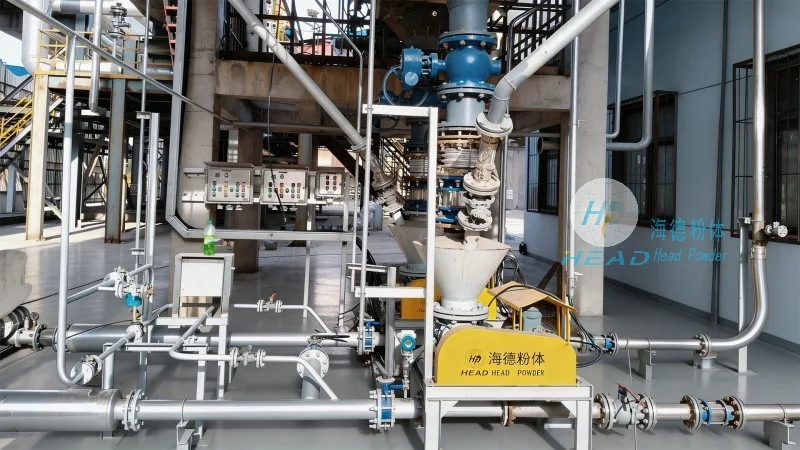
- Material Compatibility: The equipment used must be compatible with glucose powder to prevent contamination and degradation. Materials like stainless steel, PTFE, or food-grade plastics are commonly used to ensure hygiene and durability.
- Airflow Management: Proper airflow is essential to control dust and prevent caking. The design incorporates dust collection systems and air seals to maintain a clean environment and prevent product loss.
- Prevention of Segregation: Glucose powder can segregate based on particle size, density, or moisture content. Design features such as horizontal or vertical conveying, vibration, and mixing mechanisms are employed to prevent segregation and ensure uniform product flow.
- Prevention of Caking: Caking occurs when powder particles stick together, leading to blockages and reduced system efficiency. Design elements like anti-caking additives, vibration, and controlled moisture levels are implemented to mitigate caking.
- Controlled Dosing: Accurate and consistent dosing is critical for product consistency. The system includes dosing mechanisms such as gravimetric feeders or volumetric screw feeders, which are calibrated to deliver precise amounts of glucose powder.
Components of a Glucose Powder Handling System
A typical glucose powder handling system consists of several interconnected components, each playing a vital role in the overall process. These components work together to ensure smooth and efficient operation. The key components include:
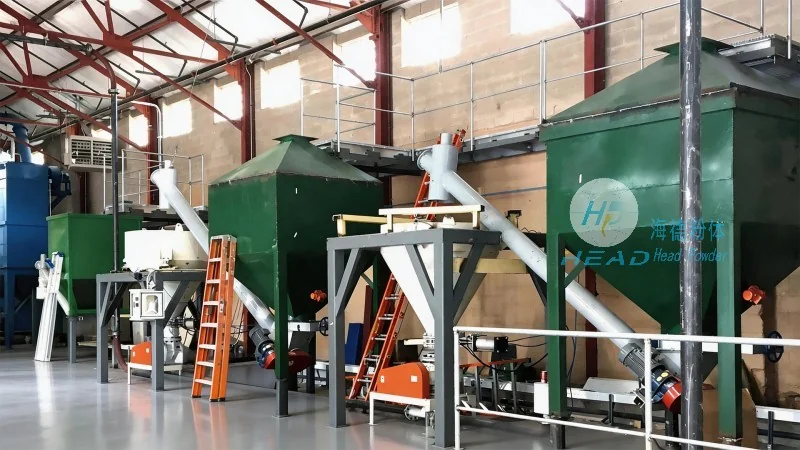
- Feeders: Feeders are responsible for delivering the glucose powder from storage to the conveying system. Common types include rotary valves, star feeders, and vibratory feeders, which are chosen based on the powder's characteristics and the required flow rate.
- Conveyors: Conveyors transport the glucose powder from the feeder to the processing or storage area. Options include pneumatic conveyors (like pressure or vacuum systems) and mechanical conveyors (such as screw or belt conveyors). The choice depends on the distance, capacity, and material properties.
- Dust Collectors: Dust collectors are essential for capturing and removing airborne powder particles, ensuring a safe and clean working environment. These systems typically include filters and a collection hopper to store the captured powder.
- Storage Silos: Storage silos are used to hold large quantities of glucose powder before processing. The design of the silo, including its shape and internal features, is critical to prevent caking and maintain uniform flow.
- Control Systems: Modern glucose powder handling systems are equipped with advanced control systems that monitor and regulate the process. These systems use sensors to track flow rates, pressure, and other parameters, ensuring optimal performance and preventing issues like overfilling or underflow.
Benefits of Proper Glucose Powder Handling
Implementing an effective glucose powder handling system offers numerous benefits for businesses. These include improved product quality, enhanced operational efficiency, reduced downtime, and lower maintenance costs. By adhering to the design principles outlined above, companies can ensure that their glucose powder handling processes are reliable, safe, and cost-effective.
About Shandong HeadPowder Engineering Co., Ltd.
Shandong HeadPowder Engineering Co., Ltd., commonly known as HeadPowder, is a leading provider of specialized powder handling solutions. With a focus on innovation and customer satisfaction, HeadPowder designs and manufactures high-quality equipment tailored to the unique needs of the glucose powder industry. The company's expertise in material handling and process engineering ensures that clients receive systems that meet their specific requirements and comply with industry standards. HeadPowder's commitment to quality and reliability has made it a trusted partner for businesses worldwide, helping them optimize their glucose powder handling processes and achieve their operational goals.




