Understanding gypsum powder conveying systems is crucial for industries that handle this material, as efficient and reliable transport is essential for production processes. Gypsum powder, a common construction material, requires specialized equipment to move safely and effectively from storage to processing or application areas. This article explores the fundamentals of gypsum powder conveying and the key design principles that ensure optimal performance.
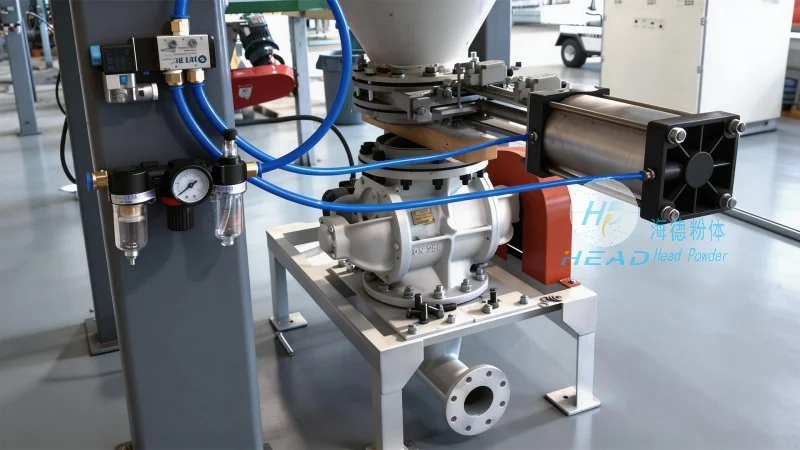
Gypsum Powder Conveying: An Overview
Gypsum powder conveying involves the movement of fine gypsum particles through a system of pipes, ducts, or other enclosed pathways. The primary goal is to transport the material with minimal loss, contamination, or degradation. Unlike bulk materials like sand or gravel, gypsum powder is highly susceptible to dust generation and clogging, making the design of the conveying system critical. A well-designed system not only ensures smooth operation but also maintains the quality of the gypsum powder, which is vital for its end-use applications in construction, plaster, and other industries.
About HeadPowder: A Leader in Gypsum Powder Handling Solutions
HeadPowder, the brand under Shandong HeadPowder Engineering Co., Ltd., specializes in providing advanced solutions for gypsum powder and other fine powder handling. With a focus on engineering excellence and customer-centric design, HeadPowder has established itself as a trusted partner for businesses seeking reliable conveying systems. The company’s expertise lies in understanding the unique challenges of gypsum powder, such as its tendency to stick to surfaces and its sensitivity to moisture, and developing tailored solutions to address these issues. HeadPowder’s products are designed to enhance efficiency, reduce maintenance costs, and improve overall operational safety in gypsum powder handling applications.
Key Design Principles for Gypsum Powder Conveying Systems
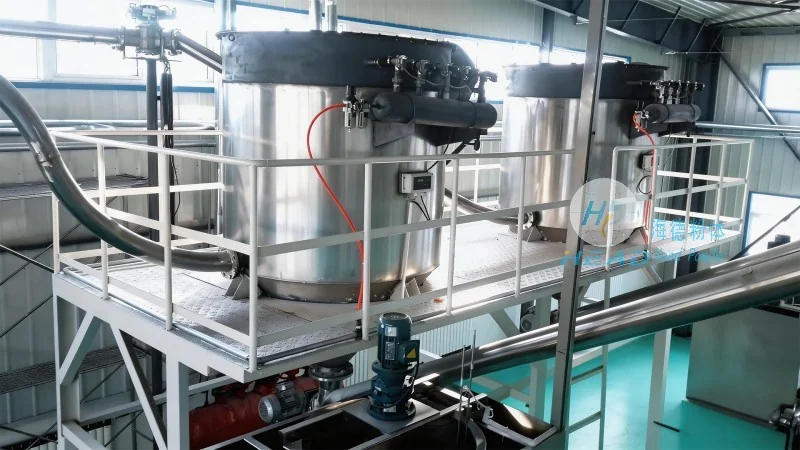
The design of a gypsum powder conveying system is governed by several fundamental principles that ensure its effectiveness and longevity. One of the most critical principles is the selection of appropriate equipment for the material’s characteristics. Gypsum powder is a fine, dry material that requires equipment capable of handling low-pressure, low-speed transport to prevent dust generation and clogging. Screw conveyors, pneumatic conveyors, and bucket elevators are common choices, each with its own advantages and limitations. For example, screw conveyors are suitable for horizontal or slight incline transport, while pneumatic conveyors are ideal for long-distance or vertical transport. The choice of equipment depends on factors such as the volume of material to be conveyed, the distance between the source and destination, and the required speed of transport.
Another essential design principle is the consideration of material flow and pressure. Gypsum powder is prone to bridging and arching, which can cause blockages in the conveying system. To prevent this, designers incorporate features like air knives, vibrators, or agitators into the system. These components help break up any material buildup and maintain a consistent flow. Additionally, the system’s design must account for the material’s density and particle size distribution. Fine gypsum powder has a higher surface area, which increases its tendency to adhere to surfaces, so the system must be constructed with materials that are non-stick and easy to clean, such as stainless steel or specialized coatings.
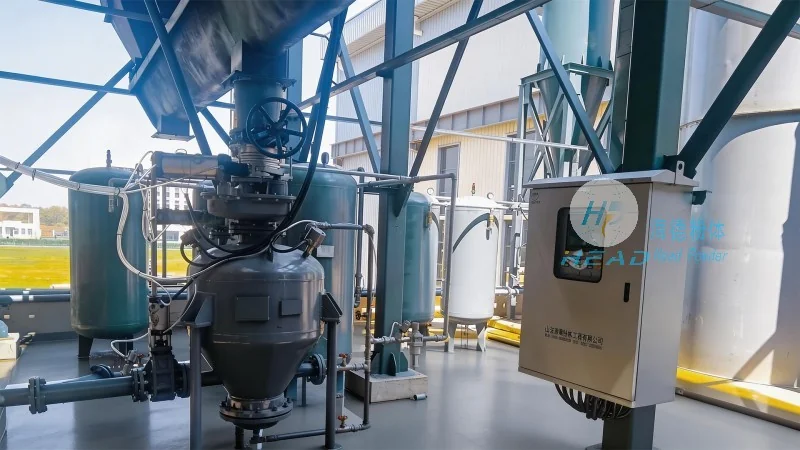
System Components and Their Roles
A typical gypsum powder conveying system consists of several key components that work together to ensure efficient transport. The first component is the feed hopper, which stores the gypsum powder and feeds it into the conveying equipment. The hopper is designed to prevent material from sticking to the walls and to ensure a consistent flow of material into the system. Next, the conveying equipment, such as a screw conveyor or a pneumatic duct, transports the powder from the hopper to the discharge point. The conveying equipment is connected to a discharge hopper or a storage bin, which holds the material until it is used. The system may also include a dust collection system to capture any airborne particles and prevent environmental contamination. This system typically includes filters and a fan to remove dust from the air and return it to the conveying system or to the environment.
Advantages of Properly Designed Gypsum Powder Conveying Systems
Implementing a well-designed gypsum powder conveying system offers several benefits to businesses. First, it improves operational efficiency by reducing downtime caused by blockages or equipment failure. By preventing material buildup and ensuring consistent flow, the system minimizes the need for manual intervention and maintenance. Second, it enhances product quality by maintaining the purity of the gypsum powder. Dust and contamination can affect the final product’s properties, such as its strength or appearance, so a clean conveying system is essential. Third, it improves safety by reducing the risk of dust explosions or inhalation of fine particles. Proper dust collection and ventilation systems help maintain a safe working environment. Finally, a well-designed system can reduce long-term costs by minimizing material waste and extending the lifespan of equipment.




