Cellulose powder handling is a critical process in various industrial applications, particularly in sectors where cellulose-based materials are processed and transported. This article aims to provide a comprehensive understanding of cellulose powder handling, including its fundamental principles and the key design considerations that ensure efficient and reliable operation. By exploring the core aspects of this technology, we will address common questions about how such systems work and what makes them effective for different industrial needs.
Understanding Cellulose Powder Properties
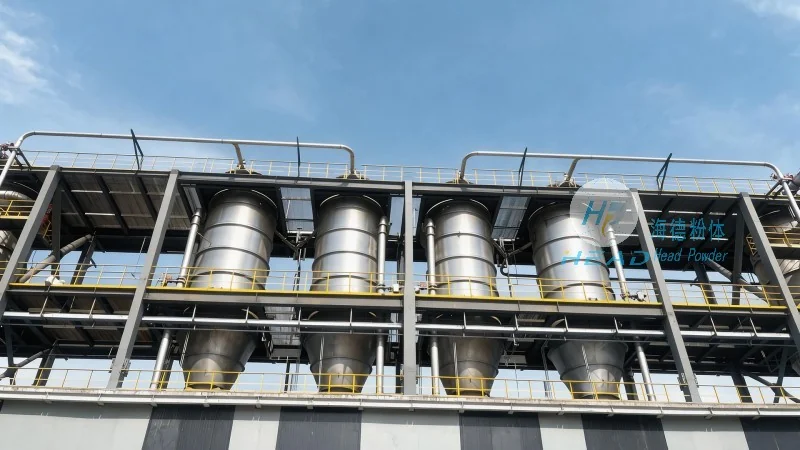
Before delving into the handling and design principles, it's essential to understand the unique characteristics of cellulose powders. Cellulose is a natural polymer, often derived from plant sources, and its powder form exhibits specific physical properties that influence handling. These properties include particle size distribution, moisture content, bulk density, and flowability. For instance, the particle size can range from fine powders to coarse granules, each affecting how the material behaves in a handling system. Moisture content is another critical factor, as it can impact the material's flow characteristics and potential for caking or agglomeration. Bulk density refers to the mass of the powder per unit volume, which is vital for determining storage and transport requirements. Flowability, often measured by parameters like angle of repose and compressibility, dictates how easily the powder can be moved through pipes, hoppers, and other handling equipment. Understanding these properties is the first step in designing an effective cellulose powder handling system, as they directly influence the selection of equipment and the overall system design.
Key Design Principles for Cellulose Powder Handling Systems
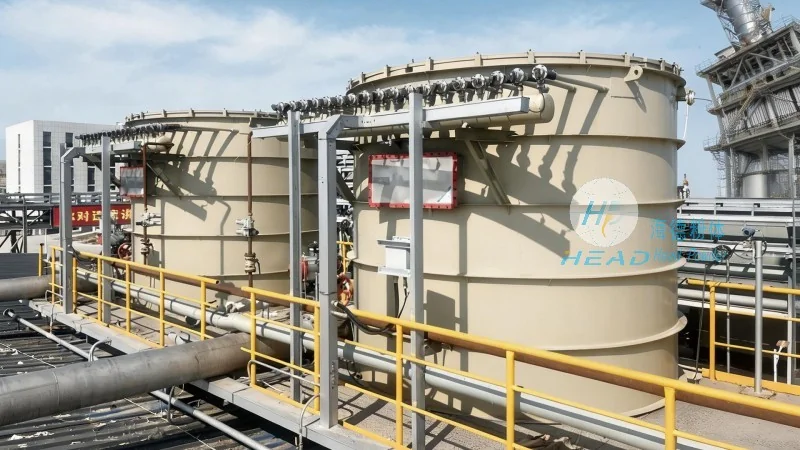
The design of cellulose powder handling systems is guided by several fundamental principles aimed at ensuring efficient material transport, minimizing losses, and maintaining product quality. One of the primary principles is the prevention of material degradation and contamination. This involves using appropriate materials of construction for equipment such as hoppers, conveyor belts, and pipelines to avoid chemical reactions or physical damage to the cellulose powder. Additionally, the system must be designed to minimize the risk of caking or agglomeration, which can occur due to moisture absorption or mechanical stress. To address this, moisture control measures, such as dehumidifiers or drying units, may be integrated into the system. Another critical principle is the optimization of flow and pressure drop. Efficient handling systems minimize energy consumption by reducing pressure losses in pipelines and ensuring smooth material flow. This is achieved through the use of appropriate pipe diameters, smooth surfaces, and the incorporation of flow aids like vibrators or air knives. The design also considers the need for dust control and environmental safety, as cellulose powders can generate airborne particles that require proper containment and filtration. By adhering to these design principles, engineers can develop systems that are both effective and sustainable, meeting the demands of modern industrial applications.
Equipment and Components in Cellulose Powder Handling
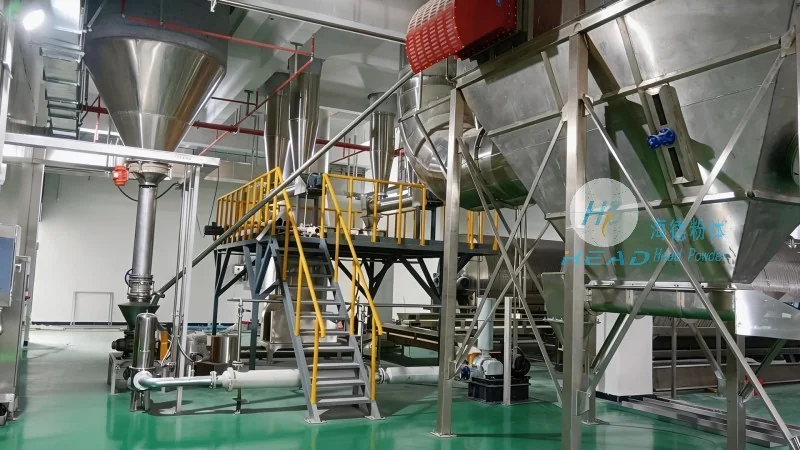
Cellulose powder handling systems typically consist of several key equipment and components, each playing a crucial role in the overall operation. The primary components include hoppers, feeders, conveyors, and storage vessels. Hoppers are used to store and feed the cellulose powder into the system, with designs optimized to prevent material bridging or rat-holing. Feeders, such as rotary valves or vibratory feeders, regulate the flow rate of the powder from the hopper to the conveyor or processing equipment. Conveyors, including pneumatic or mechanical systems, transport the powder from one location to another. Pneumatic conveyors use air to move the powder through pipelines, while mechanical conveyors rely on belts or screws. Storage vessels, such as silos or bulk bags, are used for long-term storage, with features like aeration to prevent moisture buildup. Additionally, the system may include accessories like filters, cyclones, and dust collectors to manage dust and ensure environmental compliance. Each component must be selected based on the specific properties of the cellulose powder and the operational requirements of the system. For example, a system handling fine, moisture-sensitive cellulose powder may require more sophisticated moisture control and dust collection equipment compared to a system handling coarse, dry powder. The integration of these components into a cohesive system is essential for achieving reliable and efficient cellulose powder handling.
Applications and Industries Using Cellulose Powder Handling
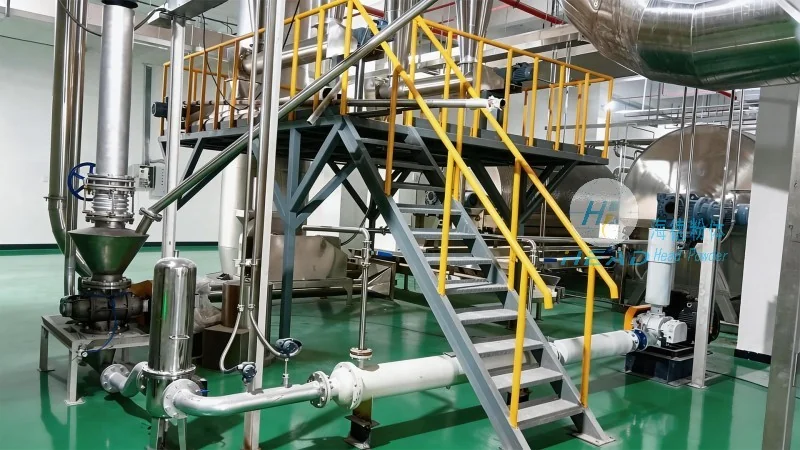
Cellulose powder handling technology is widely used across various industries, where cellulose-based materials are integral to the production process. The paper and pulp industry is a major user, as cellulose is the primary raw material for paper production. In this industry, handling systems are used to transport pulp from storage to processing equipment, ensuring consistent quality and flow. The pharmaceutical industry also relies on cellulose powder handling, particularly for the production of excipients and active pharmaceutical ingredients (APIs). Here, the systems must meet stringent quality and contamination control standards, as the powder is used in drug formulations. Other industries that utilize cellulose powder handling include the food and beverage sector, where cellulose is used as a thickener or stabilizer, and the cosmetics industry, where it serves as an ingredient in various products. Each of these industries has specific requirements for the handling system, such as maintaining low moisture content or preventing cross-contamination. By understanding the unique needs of each application, manufacturers can design customized handling systems that meet the industry standards and improve overall operational efficiency.




