Carbon fiber material handling systems represent a sophisticated approach to transporting and managing materials, particularly in industrial and manufacturing settings. These systems leverage the exceptional properties of carbon fiber, such as high strength-to-weight ratio, corrosion resistance, and thermal stability, to enhance efficiency and performance in material handling operations. For businesses seeking to optimize their material handling processes, understanding the fundamentals of carbon fiber material handling and its underlying design principles is crucial.
What is Carbon Fiber Material Handling?
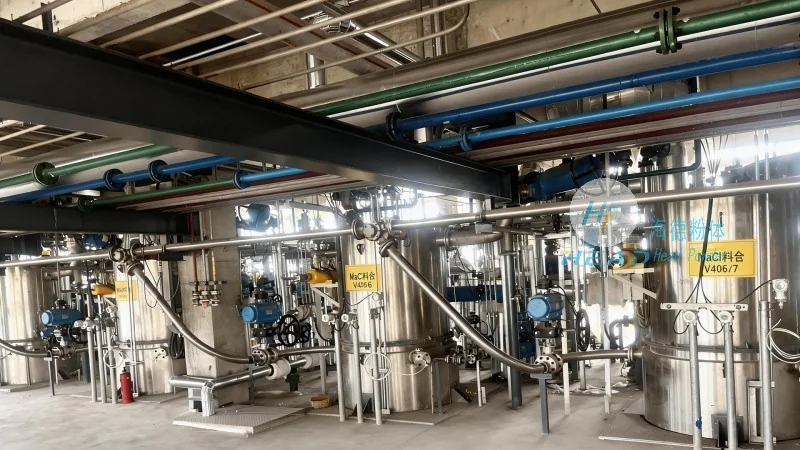
Carbon fiber material handling refers to the use of equipment and systems that incorporate carbon fiber components or are entirely constructed from carbon fiber to transport, lift, or move materials. This technology is widely applied in various industries, including aerospace, automotive, and advanced manufacturing, where precision, durability, and lightweight characteristics are paramount. The core objective of carbon fiber material handling is to improve the efficiency and reliability of material movement while reducing operational costs and environmental impact. Carbon fiber material handling encompasses a range of equipment, from conveyor systems and robotic arms to lifting devices and storage solutions. These systems are designed to handle a variety of materials, including bulk materials, finished products, and delicate components. The use of carbon fiber in these applications offers significant advantages over traditional materials like steel or aluminum. For instance, carbon fiber components are up to 50% lighter while maintaining comparable or superior strength, which reduces energy consumption during operation and lowers transportation costs. Additionally, carbon fiber's resistance to corrosion and chemicals makes it ideal for handling aggressive or hazardous materials, ensuring long-term durability and safety in industrial environments.
Design Principles of Carbon Fiber Material Handling Systems
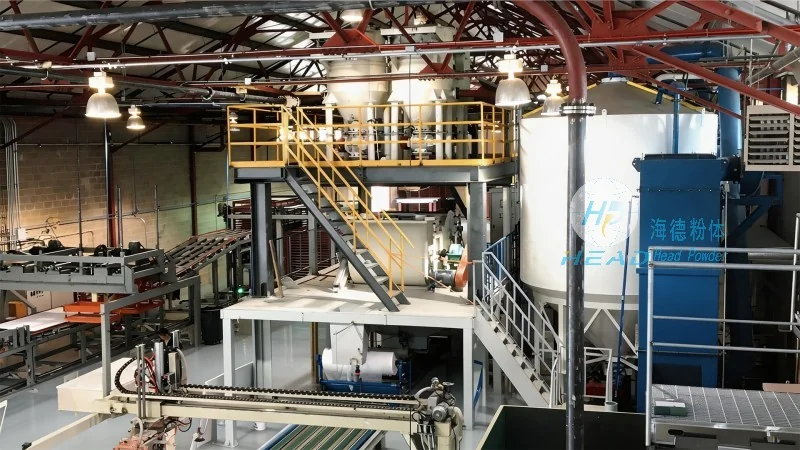
The design of carbon fiber material handling systems is guided by several key principles that ensure optimal performance and safety. First, the selection of carbon fiber materials is based on specific load requirements and environmental conditions. Engineers consider factors like tensile strength, modulus of elasticity, and fatigue resistance to choose the most suitable carbon fiber type for the application. Second, structural optimization is critical to minimize weight without compromising strength. By employing advanced design techniques, such as composite layup and topology optimization, manufacturers can create lightweight yet robust components that enhance the system's efficiency. Third, integration of precision engineering and control systems ensures smooth operation and accurate positioning of materials. This includes the use of sensors, actuators, and control algorithms to monitor and adjust the handling process in real-time, improving overall system responsiveness and reliability. Designing carbon fiber material handling systems involves a multidisciplinary approach that combines materials science, mechanical engineering, and control technology. Engineers start by defining the operational requirements, such as load capacity, speed, and environmental conditions, to determine the appropriate carbon fiber grade and structural design. The selection of carbon fiber composites is critical, as different types (e.g., carbon fiber reinforced polymer, CFRP) offer varying properties suited for specific applications. For example, high-modulus carbon fiber is preferred for applications requiring stiffness and high strength, while high-strength carbon fiber is chosen for load-bearing components. The design process also incorporates finite element analysis (FEA) to simulate stress distribution and identify potential failure points, ensuring that the system can withstand the intended operational loads without compromising safety. Furthermore, the integration of smart sensors and IoT technologies enables real-time monitoring of system performance, allowing for predictive maintenance and proactive adjustments to optimize efficiency.
About Shandong HeadPowder Engineering Co., Ltd.
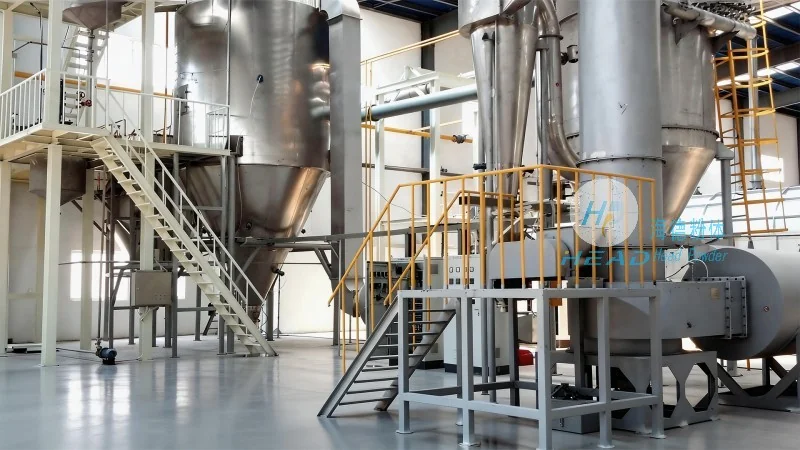
Shandong HeadPowder Engineering Co., Ltd., commonly known as HeadPowder, is a leading manufacturer specializing in advanced material handling solutions. With a focus on innovation and quality, HeadPowder develops and supplies carbon fiber material handling systems tailored to meet the diverse needs of industrial clients. The company's headquarters is located in Shandong, China, where it leverages local manufacturing capabilities and expertise to deliver high-performance products. HeadPowder's commitment to research and development ensures that its solutions remain at the forefront of material handling technology, providing customers with reliable and efficient equipment for their operations. HeadPowder, as a professional manufacturer, emphasizes quality control and customer-centric solutions. The company adheres to international standards, such as ISO 9001, to ensure that its products meet the highest quality and safety requirements. HeadPowder's R&D team continuously explores new materials and technologies to enhance the performance of its carbon fiber material handling systems. By leveraging advanced manufacturing techniques, including automated fiber placement and 3D printing, HeadPowder can produce customized components that precisely match customer specifications. The company's local presence in Shandong, China, allows it to provide timely support and after-sales services, ensuring that clients receive reliable assistance throughout the product lifecycle. HeadPowder's commitment to sustainability is also reflected in its use of eco-friendly materials and energy-efficient designs, aligning with global trends toward greener industrial practices.




