Biocatalyst material handling is a specialized field within industrial processing that focuses on the efficient transport and management of materials using biological catalysts, commonly known as enzymes. This approach leverages the unique properties of enzymes to facilitate various material handling tasks, such as mixing, blending, and conveying, while maintaining the integrity and functionality of the materials being processed. The technology is particularly relevant in industries like pharmaceuticals, food processing, and chemical manufacturing, where precision and control are critical.
The Core Design Principles of Biocatalyst Material Handling Systems
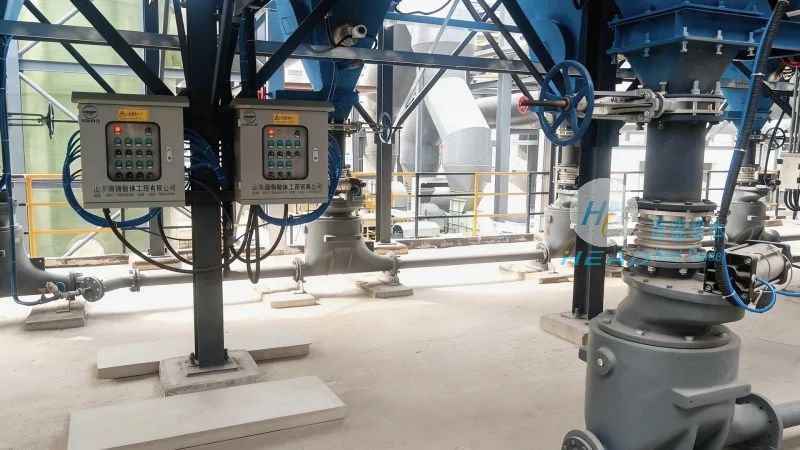
The design of biocatalyst material handling systems is guided by several key principles that ensure optimal performance and efficiency. First, the system must integrate biocatalysts effectively, ensuring they are evenly distributed and remain active throughout the material handling process. This involves careful consideration of the enzyme's stability under operational conditions, including temperature, pH, and shear forces. Second, the equipment must be designed to minimize enzyme degradation and maintain consistent reaction conditions. This often requires specialized materials for the processing equipment, such as stainless steel or specialized polymers that are compatible with the enzymes and the materials being handled. Third, the system must be scalable, allowing for adjustments in throughput based on production needs. This scalability is achieved through modular designs that can be expanded or reconfigured as required. Finally, the design must prioritize safety and regulatory compliance, as biocatalyst systems are subject to strict guidelines in industries like pharmaceuticals and food processing.
Key Components and Technologies in Biocatalyst Material Handling
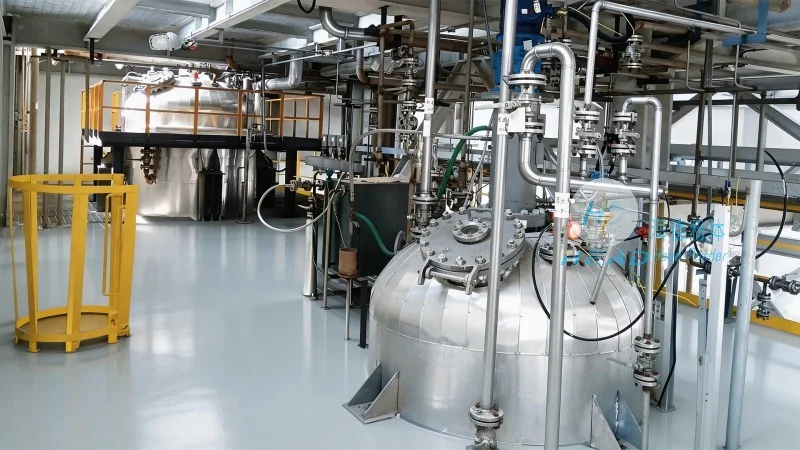
Biocatalyst material handling systems typically consist of several key components that work in concert to achieve efficient material transport. The primary components include biocatalyst feed systems, which ensure the precise delivery of enzymes to the processing line. These systems may involve dosing pumps, mixing chambers, or spray nozzles, depending on the specific application. Next, the material handling equipment itself, such as conveyor belts, screw conveyors, or pneumatic systems, is designed to transport the materials while maintaining the integrity of the biocatalyst. These systems are often equipped with temperature and pH control mechanisms to maintain optimal conditions for enzyme activity. Additionally, the system may include monitoring and control systems that track key parameters, such as enzyme concentration, temperature, and material flow rate, ensuring real-time adjustments to maintain performance. Advanced technologies, such as sensors and automation, are increasingly integrated to enhance precision and reduce human error.
Applications and Benefits of Biocatalyst Material Handling
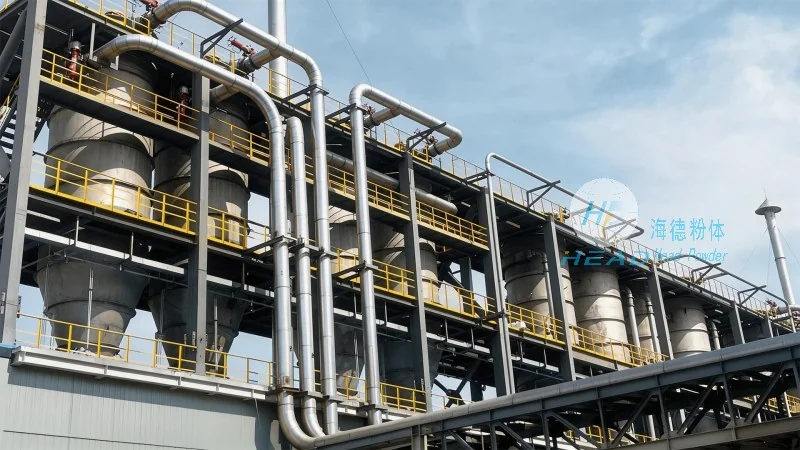
The applications of biocatalyst material handling span multiple industries, each benefiting from the unique advantages of enzymatic processing. In the pharmaceutical industry, for example, biocatalyst systems are used to handle active pharmaceutical ingredients (APIs) and excipients, ensuring precise blending and conveying while maintaining the stability of the drug compounds. The food industry utilizes these systems for processing ingredients like enzymes used in cheese production or fruit juice clarification, where the biocatalysts help improve texture and flavor without compromising quality. In chemical manufacturing, biocatalyst material handling is employed in the production of bio-based chemicals, where enzymes facilitate the conversion of raw materials into valuable products. The benefits of this technology are significant, including improved product quality, reduced processing time, and lower energy consumption compared to traditional methods. Additionally, biocatalyst systems often produce fewer byproducts and are more environmentally friendly, aligning with sustainability goals in modern manufacturing.
Challenges and Solutions in Biocatalyst Material Handling
While biocatalyst material handling offers numerous advantages, it also presents several challenges that must be addressed to ensure reliable operation. One of the primary challenges is enzyme stability, as enzymes can degrade under harsh conditions or over time, leading to reduced effectiveness. To mitigate this, manufacturers employ strategies such as enzyme immobilization, where enzymes are attached to a solid support to protect them from degradation. Another challenge is the potential for contamination, as enzymes are sensitive to microbial growth. This is managed through strict sanitation protocols and the use of sterile processing equipment. Additionally, the cost of biocatalysts can be a factor, as enzymes are often expensive to produce. However, advancements in biotechnology have led to more cost-effective production methods, making biocatalyst systems more accessible. Finally, regulatory compliance is a critical challenge, as biocatalyst systems are subject to stringent guidelines from agencies like the FDA and EMA. Companies must ensure their systems meet all regulatory requirements, which may involve extensive testing and documentation.
Future Trends and Innovations in Biocatalyst Material Handling
As technology advances, the field of biocatalyst material handling is expected to evolve, with several trends and innovations on the horizon. One key trend is the integration of artificial intelligence (AI) and machine learning (ML) to optimize system performance. AI algorithms can analyze data from the processing line to predict enzyme activity, adjust processing parameters, and identify potential issues before they become problems. This leads to more efficient operations and reduced downtime. Another trend is the development of more sustainable biocatalysts, such as those derived from renewable resources or engineered to be more environmentally friendly. This aligns with global sustainability goals and reduces the environmental impact of industrial processes. Additionally, the use of nanotechnology is emerging as a way to enhance enzyme performance, with nanomaterials providing surfaces that improve enzyme stability and activity. These innovations are expected to further expand the applications of biocatalyst material handling and make it an even more integral part of modern industrial processing.




