For industrial operations dealing with bulk powder materials, selecting the right conveyor system is crucial for efficiency, safety, and cost-effectiveness. Among the various options available, dense phase powder conveyors stand out as a reliable solution for transporting powders like cement, flour, and chemicals. This article explores what a dense phase powder conveyor is and delves into its core design principles, providing insights into how these systems enhance material handling processes. The information is presented by Shandong HeadPowder Engineering Co., Ltd. (headpowder), a company based in China, specializing in advanced material handling solutions.
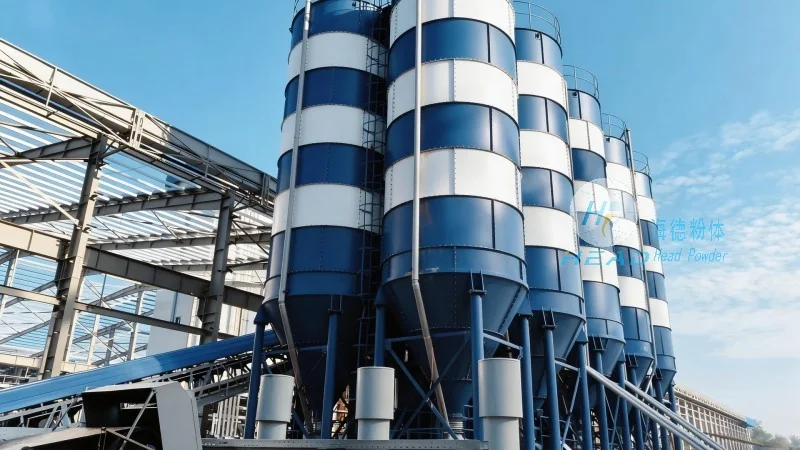
Understanding Dense Phase Powder Conveyors
A dense phase powder conveyor, also known as a low velocity conveyor, is a type of pneumatic conveying system designed to transport bulk powders in a dense, slurry-like state. Unlike traditional pneumatic conveyors that operate at high velocities, dense phase systems move materials at a slower speed, typically with a higher concentration of powder in the conveying medium. This approach minimizes particle degradation, reduces friction, and enhances the overall efficiency of the transport process. The primary goal of a dense phase conveyor is to ensure smooth, controlled movement of powders while preventing issues such as blockages, segregation, or excessive wear on equipment.
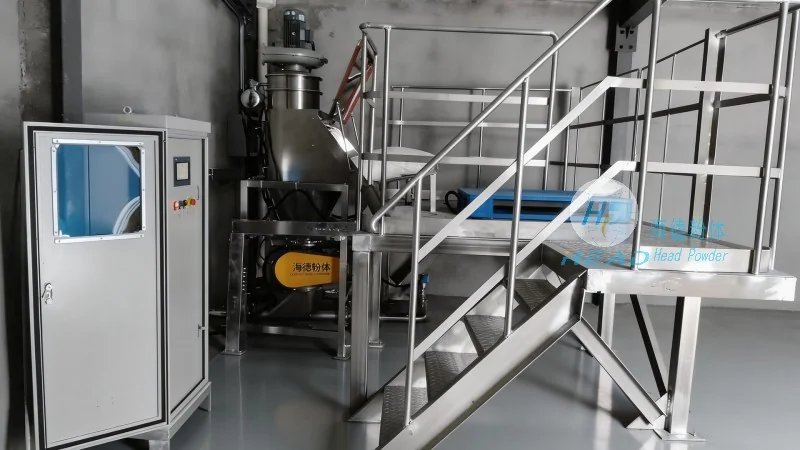
Key Design Principles of Dense Phase Powder Conveyors
The effectiveness of a dense phase powder conveyor is rooted in several critical design principles that work together to optimize performance. These principles are meticulously designed by Shandong HeadPowder Engineering Co., Ltd. (headpowder), a leading manufacturer in the field, to ensure efficient and reliable material handling. The principles include:
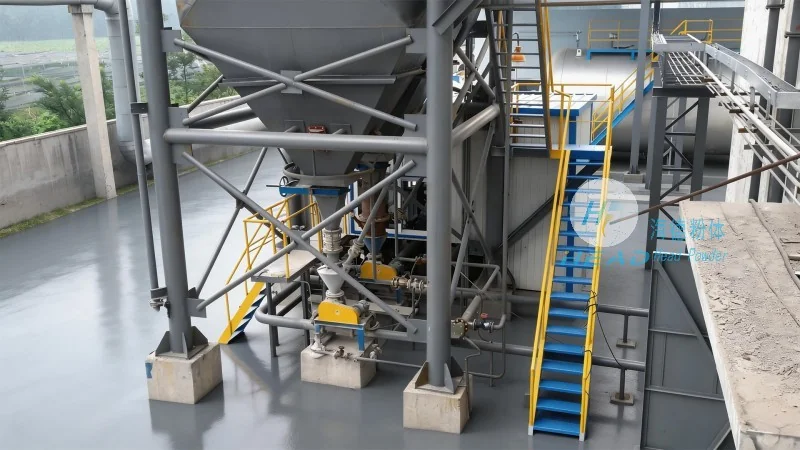
1. Low Velocity Operation: Dense phase systems operate at velocities ranging from 3 to 10 meters per second, which is significantly lower than the high velocities used in traditional pneumatic conveyors. This lower speed reduces the risk of particle attrition and minimizes the energy required for transport. By maintaining a slower, more controlled flow, the conveyor ensures that powders are moved gently, preserving their integrity and preventing issues like dust generation or material degradation.
2. High Powder Concentration: A defining characteristic of dense phase conveyors is the high concentration of powder in the conveying medium. This typically ranges from 15 to 25% by volume, depending on the material being transported. The high concentration ensures that the powder particles are closely packed, reducing the likelihood of air pockets and improving the overall flow characteristics. This design also helps in reducing the pressure drop along the conveyor line, as the dense mixture offers less resistance to airflow.
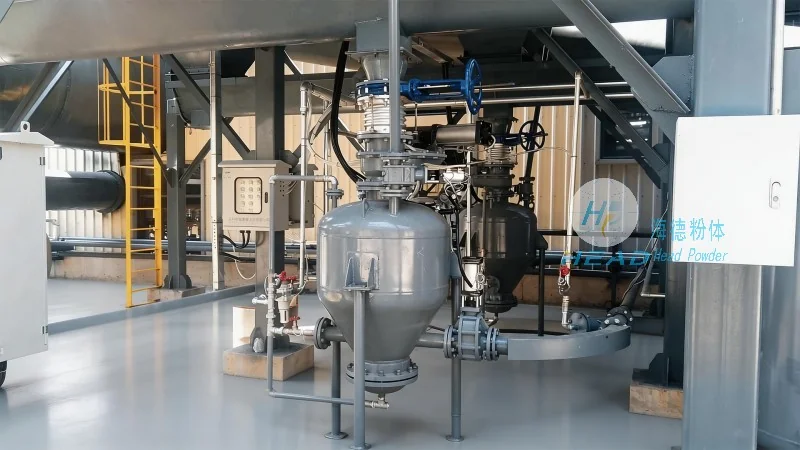
3. Positive Pressure System: Dense phase powder conveyors are usually operated under positive pressure, meaning the conveying line is pressurized to push the material forward. This system is preferred for applications where the material is sensitive to moisture or where the process requires a closed-loop system to maintain environmental standards. The positive pressure ensures that the material is transported in a sealed environment, preventing contamination and maintaining the quality of the powder.




