Iron fines powder conveying systems are critical components in industrial processes that handle fine iron particles. These systems are designed to efficiently transport iron fines from one location to another, ensuring smooth operation in various manufacturing and processing applications. Understanding the equipment and its design principles is essential for optimizing performance and maintaining productivity in industrial settings.
What is an Iron Fines Powder Conveying System?
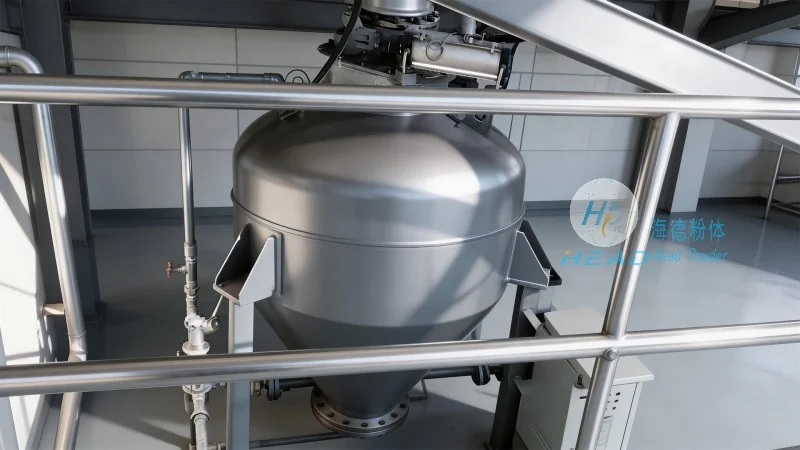
An iron fines powder conveying system is a specialized piece of equipment used to transport fine iron particles, typically in the form of iron powder or iron shavings. These systems are commonly employed in industries such as metalworking, foundries, and recycling, where the handling of iron fines is a regular part of production. The system typically consists of components like hoppers, conveyors, and control mechanisms that work together to move the iron fines through a pipeline or open channel. The primary goal of such a system is to ensure that iron fines are transported safely, efficiently, and without causing blockages or contamination. Companies like Shandong HeadPowder Engineering Co., Ltd. specialize in the design and manufacturing of these systems, ensuring that they meet the specific needs of industrial applications.
Key Components of Iron Fines Powder Conveying Systems
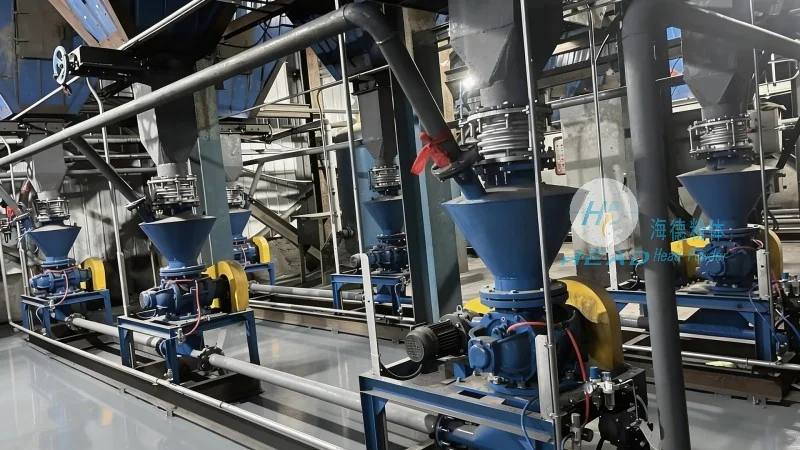
Several key components make up an iron fines powder conveying system. The first component is the hopper, which serves as the storage and feeding unit for the iron fines. The hopper is designed to hold a large quantity of iron fines and release them in a controlled manner into the conveyor system. Next, the conveyor itself, which can be either pneumatic or mechanical, is responsible for moving the iron fines through the system. Pneumatic conveyors use air pressure to transport the iron fines, while mechanical conveyors use belts, screws, or other mechanisms to move the material. The control system, which includes sensors and valves, regulates the flow of iron fines and ensures that the system operates smoothly. Additionally, the system may include filters or separators to remove any impurities from the iron fines before they are transported.
Design Principles for Iron Fines Powder Conveying Systems
The design of an iron fines powder conveying system is based on several key principles to ensure optimal performance. The first principle is the need for a consistent flow of iron fines. This is achieved by using a hopper with a proper angle and a controlled feeding mechanism that prevents the material from bridging or caking. The second principle is the selection of the appropriate conveyor type. The choice between pneumatic and mechanical conveyors depends on factors such as the particle size, moisture content, and the distance the iron fines need to be transported. Pneumatic systems are ideal for long-distance transport and handling of fine powders, while mechanical systems are better suited for shorter distances and heavier loads. The third principle is the importance of maintaining a uniform air or material flow. This is achieved by using appropriate ducting, valves, and control mechanisms that ensure the system operates at a consistent pressure and flow rate. Finally, the design must consider the need for safety and maintenance. The system should be designed with safety features such as pressure relief valves and emergency shut-off switches, and it should be easy to access for maintenance and cleaning.
Applications of Iron Fines Powder Conveying Systems
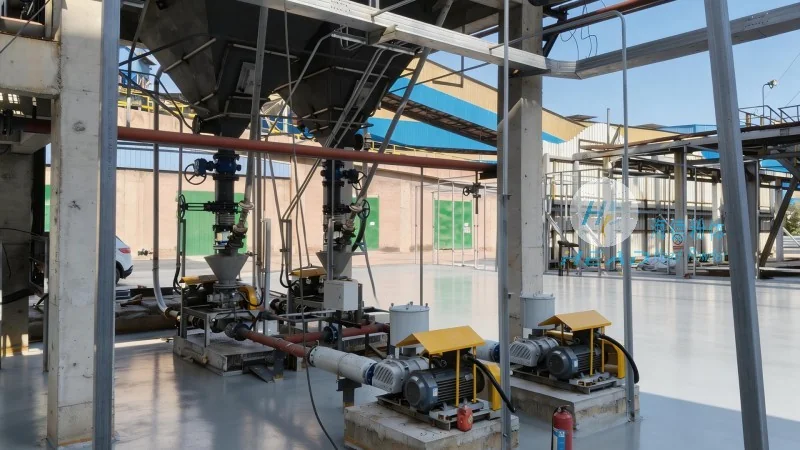
Iron fines powder conveying systems are used in a variety of industrial applications. In metalworking, these systems are used to transport iron fines from the machining process to the recycling or reprocessing stage. In foundries, they are used to move iron fines from the casting process to the melting or reclamation stage. In recycling facilities, they are used to transport iron fines from the sorting process to the processing or storage stage. The systems are also used in other industries such as pharmaceuticals and food processing, where fine iron particles are used as ingredients or additives. The versatility of iron fines powder conveying systems makes them a valuable asset in many industrial settings.
Benefits of Using Iron Fines Powder Conveying Systems
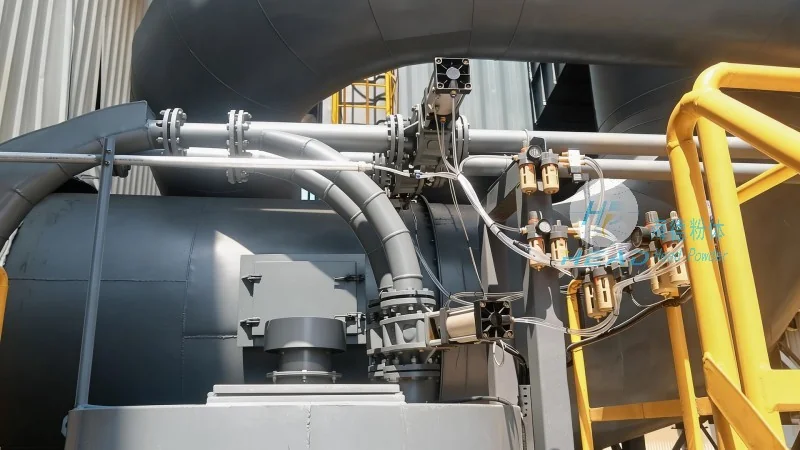
There are several benefits to using an iron fines powder conveying system. The first benefit is the improved efficiency of the industrial process. By using a dedicated system to transport iron fines, the process can be streamlined, reducing the time and labor required to move the material. The second benefit is the reduction in material loss and contamination. The system is designed to minimize the loss of iron fines during transport and to prevent contamination from other materials. The third benefit is the improved safety of the workplace. The system is designed with safety features that prevent accidents and injuries, such as pressure relief valves and emergency shut-off switches. Finally, the system is easy to maintain and repair, reducing downtime and maintenance costs.
Conclusion
In conclusion, iron fines powder conveying systems are essential equipment in many industrial processes that handle fine iron particles. The design of these systems is based on several key principles to ensure optimal performance, including consistent flow, appropriate conveyor type, and safety features. The systems are used in a variety of applications and offer several benefits, including improved efficiency, reduced material loss, and enhanced workplace safety. For companies that handle iron fines, investing in a high-quality iron fines powder conveying system is a wise decision that can improve productivity and reduce costs. Shandong HeadPowder Engineering Co., Ltd. provides reliable solutions tailored to meet the diverse needs of industrial clients, ensuring that iron fines are handled safely and efficiently in any production environment.




