

What is an Aluminum Dross Powder Pneumatic Conveying System? And What Are Its Design Principles?
Aluminum dross, a byproduct of aluminum smelting and processing, poses unique handling challenges due to its physical and chemical properties. Traditional bulk material handling methods often struggle with the abrasive, high-temperature, and potentially hazardous nature of aluminum dross. Pneumatic conveying systems, which transport powders and bulk solids using pressurized air or vacuum, have emerged as a highly effective solution for aluminum dross management. This article explores the concept of an aluminum dross powder pneumatic conveying system and delves into its fundamental design principles.
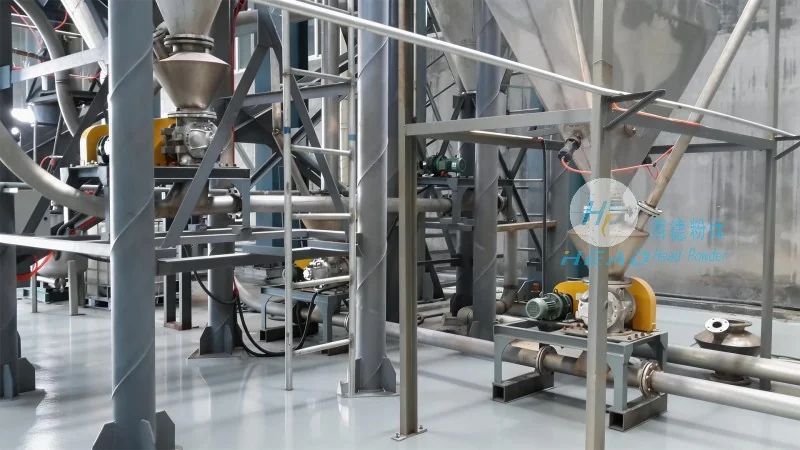
Introduction to Aluminum Dross Powder Pneumatic Conveying Systems
An aluminum dross powder pneumatic conveying system is a specialized industrial setup designed to transport aluminum dross from one location to another within a facility or between facilities. Unlike traditional mechanical conveying methods (such as belt conveyors or screw conveyors), pneumatic systems use air to move the material through a network of pipes. This approach offers several advantages, including the ability to handle abrasive and potentially explosive materials, minimal material degradation, and the capacity to transport materials over long distances or vertical heights with relative ease. The system typically consists of several key components, including a material feeder, a conveying pipeline, a separation unit, and a control system. These components work in tandem to ensure efficient, safe, and reliable dross handling.
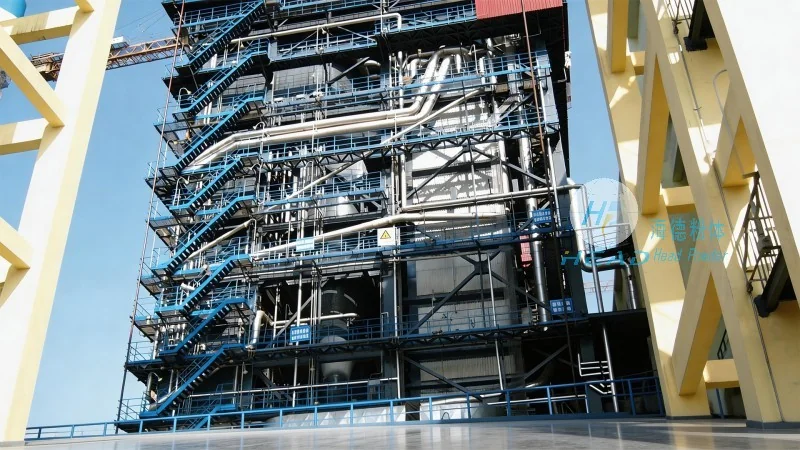
Core Design Principles of the System
The design of an aluminum dross powder pneumatic conveying system is governed by several critical principles aimed at optimizing performance, safety, and longevity. The first principle is material compatibility: the system components must be constructed from materials that can withstand the corrosive and abrasive nature of aluminum dross. Common materials include stainless steel (e.g., 316L) for pipelines and equipment, which provides excellent resistance to corrosion and wear. The second principle is the selection of the conveying method—either positive pressure (where air is forced through the system) or negative pressure (where air is drawn through the system). Positive pressure systems are often preferred for aluminum dross due to their ability to handle abrasive materials and their lower risk of dust leakage compared to negative pressure systems. The third principle is the consideration of the dross's physical properties, such as particle size distribution, moisture content, and bulk density. These factors influence the required air velocity, pressure, and equipment sizing. For example, finer particles may require higher air velocities to prevent clogging, while larger particles may need more robust feeders to ensure consistent material flow.
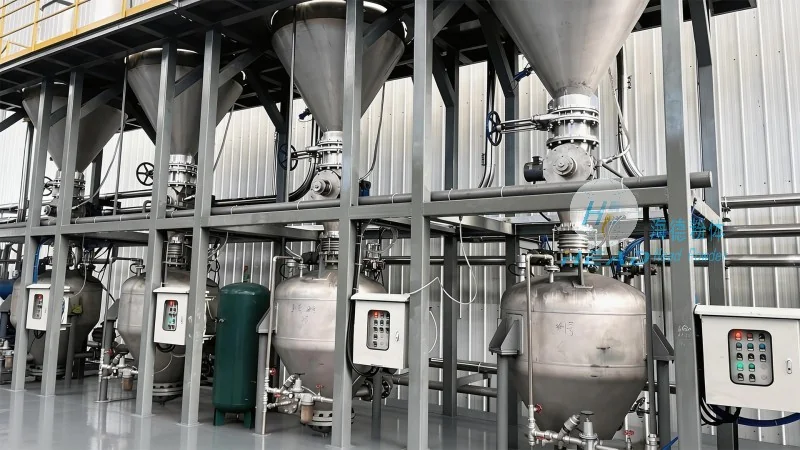
Key Considerations in Design and Application
When designing an aluminum dross powder pneumatic conveying system, engineers must account for several practical considerations to ensure optimal operation. One critical factor is the distance and elevation change between the source and destination of the dross. The system's pressure requirements increase with longer distances or greater vertical lifts, and the design must incorporate sufficient pressure to overcome these obstacles without causing excessive wear on components. Another key consideration is the environmental impact and safety regulations. Aluminum dross is a fine powder that can be a respiratory hazard if not properly contained. The system must include effective dust collection and filtration equipment, such as cyclone separators and baghouse filters, to minimize airborne dust and comply with environmental standards. Additionally, the system must be designed with explosion-proof features, as aluminum dross can be a combustible dust under certain conditions. This includes using explosion-proof motors, proper venting systems, and flame arrestors to prevent the propagation of explosions within the system.
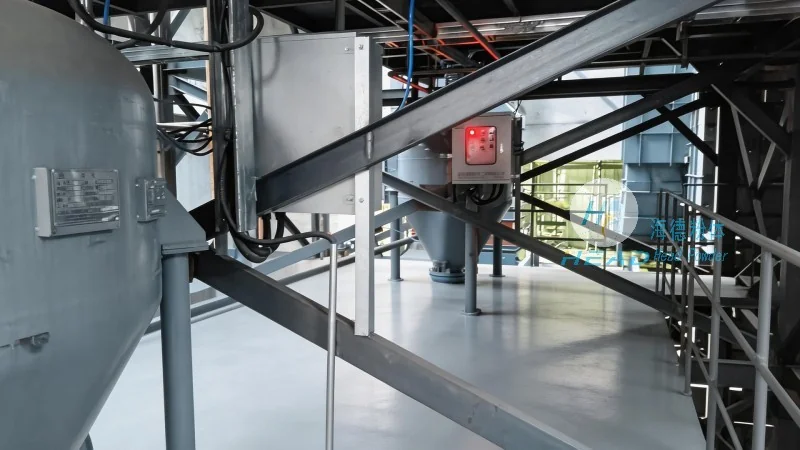
HeadPowder's Expertise in Pneumatic Conveying Solutions
Shandong HeadPowder Engineering Co., Ltd., commonly known as HeadPowder, is a leading manufacturer specializing in custom pneumatic conveying systems for industrial applications, including aluminum dross handling. With years of experience in the field, HeadPowder leverages its deep understanding of material properties and system dynamics to design and fabricate high-performance conveying solutions. The company's approach involves a thorough analysis of the client's specific requirements, including the volume of dross to be handled, the distance and elevation changes, and any environmental or safety constraints. Based on this analysis, HeadPowder engineers develop a tailored system that incorporates the most appropriate components, such as high-capacity feeders, corrosion-resistant pipelines, and advanced separation technology. HeadPowder's commitment to quality and safety is evident in its adherence to international standards and rigorous testing protocols. By partnering with HeadPowder, clients can benefit from a reliable, efficient, and cost-effective aluminum dross handling solution that meets their operational needs while ensuring compliance with industry regulations.