

What is the Pneumatic Conveying of Masterbatch Granular Materials? What are the Design Principles?
Masterbatch granular materials, widely utilized across various industrial sectors for their role in coloring and modifying polymers, often require efficient and reliable transportation methods. Pneumatic conveying emerges as a leading solution for handling these materials, offering advantages such as reduced contamination, enhanced safety, and precise process control. This article explores the concept of pneumatic conveying for masterbatch granular materials and delves into the fundamental design principles that underpin their effective operation.
Understanding Pneumatic Conveying Systems
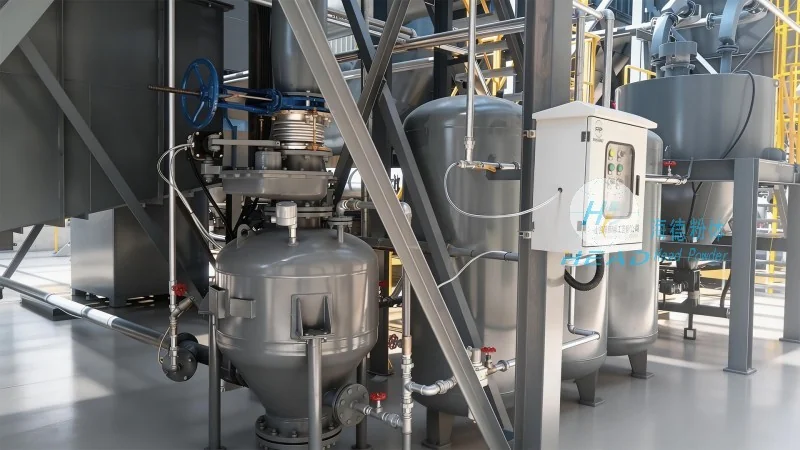
Pneumatic conveying systems operate by utilizing air or gas to transport bulk materials through a pipeline network. In the context of masterbatch granular materials, these systems are engineered to handle fine to medium-sized particles, ensuring minimal degradation and consistent quality. The core components of a typical pneumatic conveying system include a material feed hopper, a conveying line, a separator or receiver, and a blower or compressor to generate the necessary airflow. Each component is meticulously designed to contribute to the overall efficiency and reliability of the system, facilitating the seamless movement of masterbatch granules from the source to the destination.
Key Design Principles for Masterbatch Pneumatic Conveying
The design of a pneumatic conveying system for masterbatch granular materials is governed by several critical principles that ensure optimal performance, safety, and cost-effectiveness. First, the system must be customized to the specific properties of the masterbatch material, including particle size, density, moisture content, and flow characteristics. This customization ensures that the conveying velocity and pressure are precisely optimized to prevent particle degradation, agglomeration, or blockages in the pipeline. Second, the system design considers the required conveying distance and throughput, with options ranging from low-pressure systems suitable for short distances and low capacities to high-pressure systems optimized for longer distances and higher material flow rates. Third, energy efficiency is a key consideration, with the selection of energy-efficient blowers and optimized pipeline layouts reducing operational costs. Additionally, safety features are integral, including explosion-proof components and dust collection systems to mitigate environmental and workplace hazards.
Components and Their Functions in a Masterbatch Pneumatic Conveying System
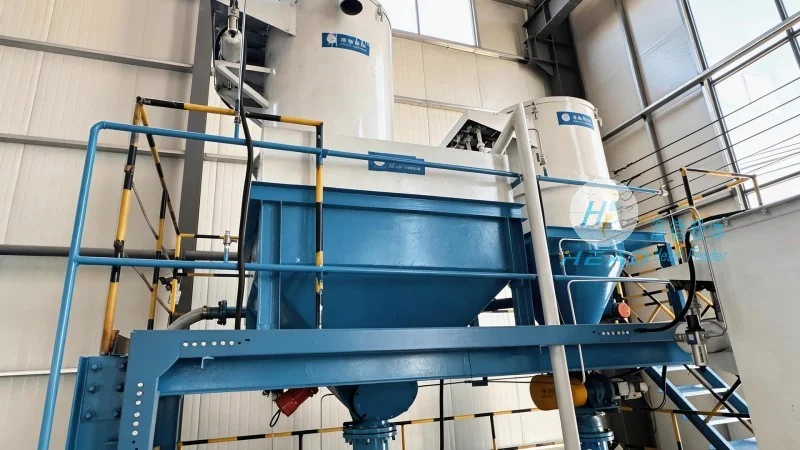
Each component of a pneumatic conveying system for masterbatch granular materials plays a vital role in the overall operation. The material feed hopper stores and feeds the masterbatch granules into the conveying line, typically designed with a hopper angle to prevent material bridging and ensure a consistent flow. The conveying line, constructed from corrosion-resistant materials like stainless steel, transports the material through the system. The line diameter and length are carefully selected based on the material properties and conveying requirements. The separator or receiver, positioned at the end of the line, separates the conveyed material from the air stream, often incorporating cyclone or bag filter technology to capture the masterbatch granules and return them to the process. The blower or compressor generates the necessary airflow, with the choice between positive displacement and centrifugal types depending on the system's pressure and flow needs. Finally, the control system monitors and regulates the operation, ensuring stable and efficient performance.
Advantages of Pneumatic Conveying for Masterbatch Materials
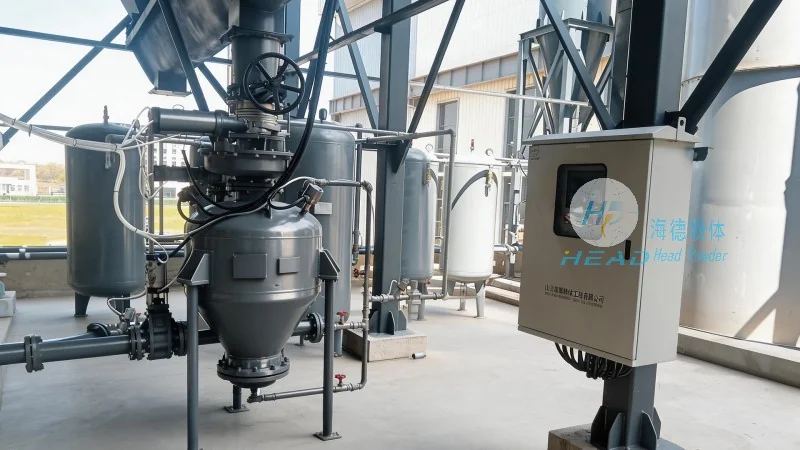
Pneumatic conveying offers several distinct advantages when handling masterbatch granular materials. Firstly, it provides a closed system, minimizing exposure to dust and contaminants, which is crucial for maintaining the purity of the masterbatch material—especially in applications where the masterbatch is used to color or modify polymers, as any contamination can impact the final product quality. Secondly, the system is highly flexible, allowing for easy integration into existing production lines and adaptation to changing production demands. Thirdly, it reduces labor costs by automating the material handling process, minimizing the need for manual handling and associated risks. Additionally, compared to other material handling methods like belt conveyors or bucket elevators, pneumatic conveying is often more energy-efficient, making it a cost-effective solution for industrial applications.
Challenges and Mitigation Strategies in Masterbatch Pneumatic Conveying
While pneumatic conveying presents numerous benefits, it also faces challenges that must be addressed to ensure optimal performance. One primary challenge is the potential for material blockages or plugging in the conveying line, particularly with fine or cohesive masterbatch particles. This can be mitigated by using appropriately sized line diameters, ensuring sufficient conveying velocity, and incorporating anti-plugging features such as pulse jets or vibration devices. Another challenge is the risk of dust explosion in the system, especially when handling combustible materials. This is addressed by incorporating explosion-proof components, including flame arrestors and dust collection systems, to prevent the propagation of explosions. Additionally, the system's energy consumption can be high for long-distance conveying. Mitigation strategies include optimizing blower selection, using energy-efficient motors, and implementing variable speed drives to adjust airflow based on actual demand.