

What is Pneumatic Conveying of Rare Earth Powder Materials? Exploring the Design Principles
For industries dealing with rare earth powder materials, efficient material handling is crucial. Pneumatic conveying systems offer a solution that minimizes contamination, reduces downtime, and enhances overall operational efficiency. This article delves into the concept of pneumatic conveying for rare earth powders and outlines the fundamental design principles that underpin such systems.
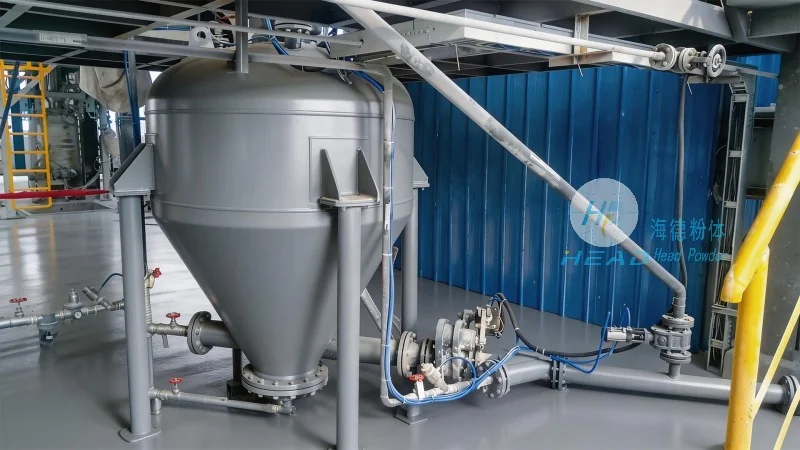
Understanding Pneumatic Conveying of Rare Earth Powder Materials
Pneumatic conveying involves the transport of solid materials, such as rare earth powders, using a gas stream, typically air or a combination of air and other gases. Unlike traditional mechanical conveying methods like screw conveyors or belt conveyors, pneumatic systems rely on the force of the gas to move the material through a pipeline. This method is particularly advantageous for handling fine powders like rare earth oxides or compounds, which are often sensitive to moisture, contamination, or mechanical stress.
The core of a pneumatic conveying system consists of several key components: a material feed hopper, a conveying line (often made of stainless steel or other corrosion-resistant materials), a gas source (usually a blower or compressor), and a control system. The material is introduced into the hopper, where it is then drawn into the conveying line by the moving gas. The gas velocity and pressure are carefully controlled to ensure the material is transported smoothly without clogging or degradation.
Key Design Principles for Rare Earth Powder Pneumatic Conveying
Designing an effective pneumatic conveying system for rare earth powders requires careful consideration of several critical factors. The primary goal is to maintain the integrity of the powder while ensuring reliable and efficient transport. Here are the main design principles that engineers at Shandong HeadPowder Engineering Co., Ltd. (commonly known as HeadPowder) follow:
1. Material Properties and Flow Characteristics Rare earth powders exhibit unique properties, including high density, fine particle size, and sometimes hygroscopic nature. These characteristics influence how the powder behaves in a pneumatic system. Engineers must analyze the powder's bulk density, particle size distribution, and flowability to select appropriate gas velocities and system configurations. For example, finer powders may require higher gas velocities to prevent settling or clogging in the pipeline.
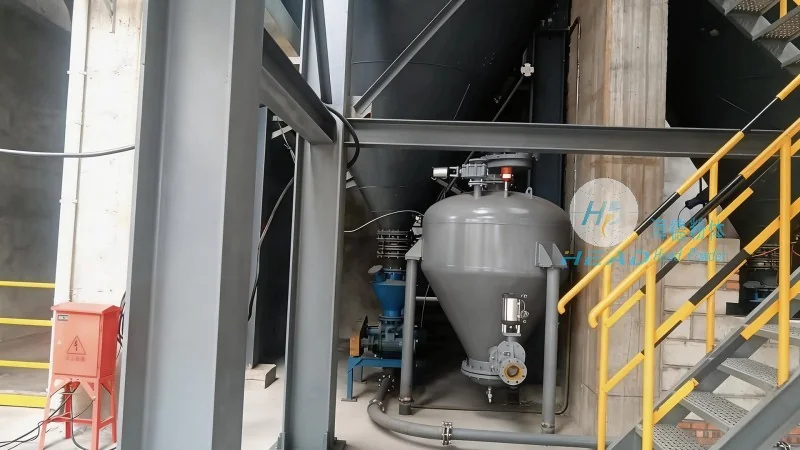
2. System Pressure and Velocity The pressure and velocity of the conveying gas are critical parameters. Low-pressure systems (under 0.5 bar) are suitable for short-distance transport and gentle handling, while high-pressure systems (up to 10 bar) are used for longer distances or when handling abrasive materials. The velocity of the gas must be sufficient to keep the powder suspended but not so high as to cause excessive wear on the system components or degrade the powder quality. HeadPowder's engineers use advanced computational fluid dynamics (CFD) simulations to optimize these parameters for each specific application.
3. Pipeline Design and Material Selection The design of the conveying pipeline is essential to prevent material buildup and ensure smooth flow. The pipeline is typically made of stainless steel or PTFE-coated materials to resist corrosion and abrasion from the rare earth powders. The internal diameter and length of the pipeline are determined based on the material's flow characteristics and the required transport distance. Bends and fittings are minimized or designed with smooth transitions to avoid pressure losses and potential blockages.
4. Control and Monitoring Systems Modern pneumatic conveying systems incorporate sophisticated control and monitoring systems to ensure optimal performance. These systems may include pressure sensors, flow meters, and automated valves that adjust the gas flow and material feed rate in real-time. For rare earth powder applications, where product purity is paramount, these controls help maintain consistent material quality and prevent contamination from external sources.
Applications and Benefits of Pneumatic Conveying for Rare Earth Powders
Pneumatic conveying systems are widely used in the rare earth industry for various processes, including material transfer from storage silos to processing equipment, feeding into reactors or furnaces, and transporting finished products to packaging lines. The benefits of using pneumatic conveying for rare earth powders include:
1. Reduced Contamination Unlike mechanical conveyors that may introduce dust or contaminants, pneumatic systems keep the material enclosed, minimizing the risk of cross-contamination and ensuring product purity.
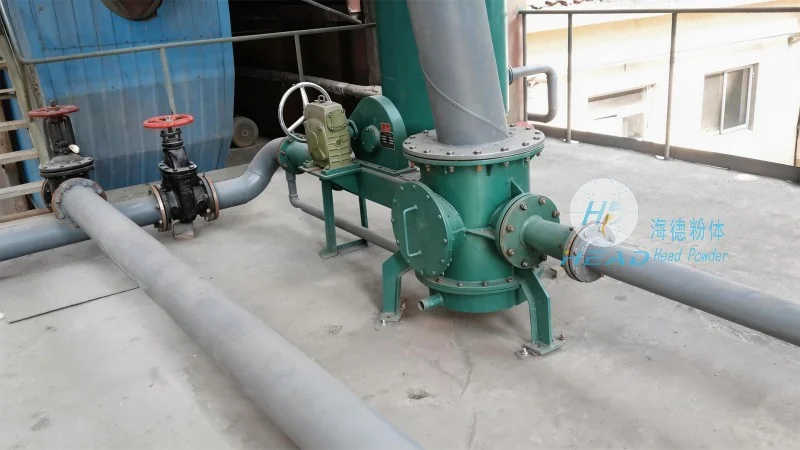
2. Improved Safety By eliminating the need for manual handling of powders, pneumatic systems reduce the risk of dust explosions and improve workplace safety.
3. Enhanced Efficiency Pneumatic conveying allows for continuous, automated material handling, reducing downtime and increasing production throughput. The systems can be integrated with other processing equipment, creating a seamless material flow.
4. Flexibility Pneumatic systems can be easily reconfigured to handle different types of rare earth powders or to adjust to changing production needs. This flexibility makes them a versatile solution for diverse industrial applications.
Conclusion
Pneumatic conveying of rare earth powder materials is a sophisticated and effective method for material handling, driven by well-defined design principles. Companies like Shandong HeadPowder Engineering Co., Ltd. specialize in designing and implementing these systems, ensuring that rare earth powders are transported efficiently, safely, and with minimal degradation. By adhering to the key design principles outlined above, industries can leverage the benefits of pneumatic conveying to enhance their operational performance and product quality.