

What is the Pneumatic Conveying of Lightweight Fine Powder Materials? What are the Design Principles
Lightweight fine powder materials, such as those used in pharmaceuticals, food processing, and chemical industries, often present unique challenges when it comes to material handling. Traditional methods like belt conveyors or bucket elevators may not be suitable due to the delicate nature of these powders. This is where pneumatic conveying systems step in, offering a solution that efficiently transports these materials while minimizing product degradation and contamination. The process involves using air or other gases to move the powder through a pipeline system, making it an ideal choice for applications requiring gentle handling and precise control.
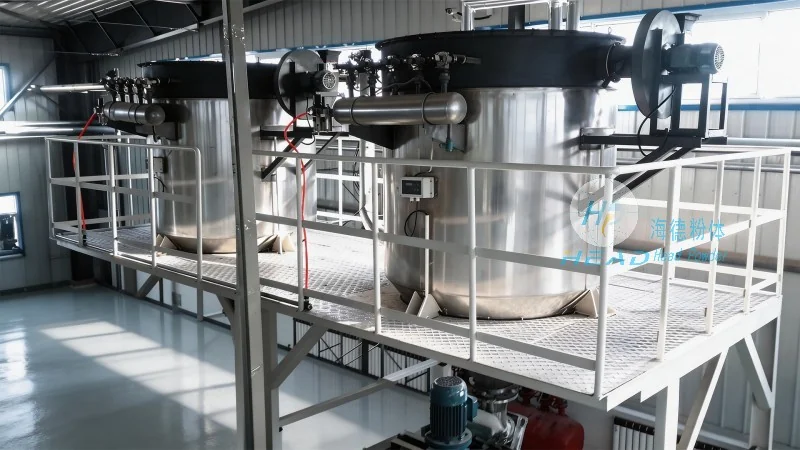
Pneumatic Conveying Basics: How It Works
The core of pneumatic conveying systems lies in the use of pressure differentials to move material. There are two primary types: pressure and vacuum systems. In pressure systems, compressed air is used to push the powder from a hopper or storage bin through the pipeline to the destination. Vacuum systems, on the other hand, use a vacuum to draw the material from the source into the pipeline. For lightweight fine powders, pressure systems are often preferred as they provide better control over the flow rate and prevent material segregation. The design of the system, including the choice of air velocity, pipeline diameter, and the use of bends or elbows, is critical to ensure efficient and reliable operation.
Design Principles for Efficient Pneumatic Conveying
Designing an effective pneumatic conveying system for lightweight fine powders requires careful consideration of several key factors. First, the air velocity must be optimized to prevent the powder from settling or clogging the pipeline. Too low a velocity may cause the material to drop out of the air stream, while too high a velocity can lead to excessive wear on the system components and increased energy consumption. Engineers typically use the "minimum fluidization velocity" concept to determine the optimal air velocity for a given powder. This velocity is the minimum air speed required to keep the powder particles suspended in the air stream, ensuring smooth and continuous transport.
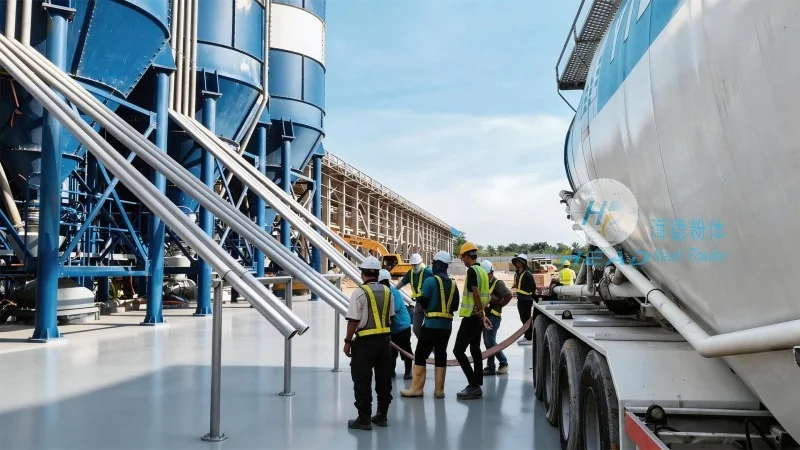
Second, the pipeline design plays a crucial role. The diameter of the pipeline should be chosen based on the flow rate and the particle size distribution of the material. Larger particles may require a larger diameter to prevent abrasion and blockages. The use of smooth, corrosion-resistant materials for the pipeline, such as stainless steel or PTFE-coated pipes, is essential to maintain the integrity of the system and prevent material buildup. Additionally, the inclusion of features like expansion joints and flexible connectors helps to accommodate thermal expansion and reduce stress on the system, ensuring long-term reliability.
HeadPowder's Expertise in Pneumatic Conveying Solutions
Shandong HeadPowder Engineering Co., Ltd. specializes in providing customized pneumatic conveying solutions tailored to the specific needs of clients handling lightweight fine powder materials. With years of experience in the industry, HeadPowder's team of engineers has developed a deep understanding of the unique challenges associated with these materials and has refined their design approach to deliver systems that are both efficient and reliable. The company's commitment to quality and innovation is reflected in their use of advanced simulation tools and rigorous testing protocols to ensure that each system meets the highest standards of performance and safety.
HeadPowder's solutions are designed to address common issues such as material degradation, clogging, and uneven flow. By incorporating features like in-line mixers, air classifiers, and pressure relief valves, their systems help to maintain the quality of the powder and prevent system failures. The company also offers comprehensive support services, including system installation, commissioning, and maintenance, to ensure that clients can maximize the lifespan and efficiency of their pneumatic conveying equipment.
Key Considerations for Implementing Pneumatic Conveying
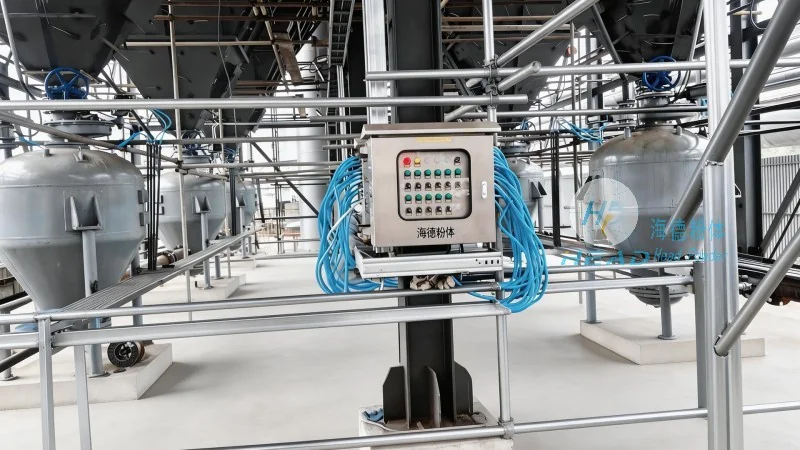
When implementing a pneumatic conveying system for lightweight fine powders, several factors must be carefully evaluated. First, the source and destination of the material must be considered to determine the most efficient layout of the pipeline. The height and distance between the source and destination will impact the required air pressure and energy consumption. Second, the properties of the powder, including its density, particle size, and moisture content, will influence the system design. For example, powders with high moisture content may require additional drying steps to prevent clogging and ensure smooth transport. Third, the operational requirements, such as the required flow rate and the need for batch or continuous operation, will dictate the system's capacity and control mechanisms.
HeadPowder's team works closely with clients to assess these factors and develop a tailored solution that meets their specific needs. By leveraging their expertise in material handling and pneumatic conveying technology, HeadPowder helps clients optimize their processes, reduce downtime, and improve overall productivity. The company's focus on customer satisfaction and long-term partnerships ensures that clients receive not only high-quality equipment but also reliable support throughout the lifecycle of their systems.