

What is Iron Oxide Powder Material Pneumatic Conveying Equipment? And What Are Its Design Principles
Iron oxide powder, a widely used industrial material, often requires efficient and reliable transportation methods to ensure smooth production processes. Pneumatic conveying equipment has emerged as a key solution for handling such powders, offering advantages like dust-free operation, reduced material degradation, and enhanced safety. This article explores the fundamental aspects of iron oxide powder pneumatic conveying equipment, focusing on its design principles and the technology behind its effective operation.
Understanding Pneumatic Conveying Systems
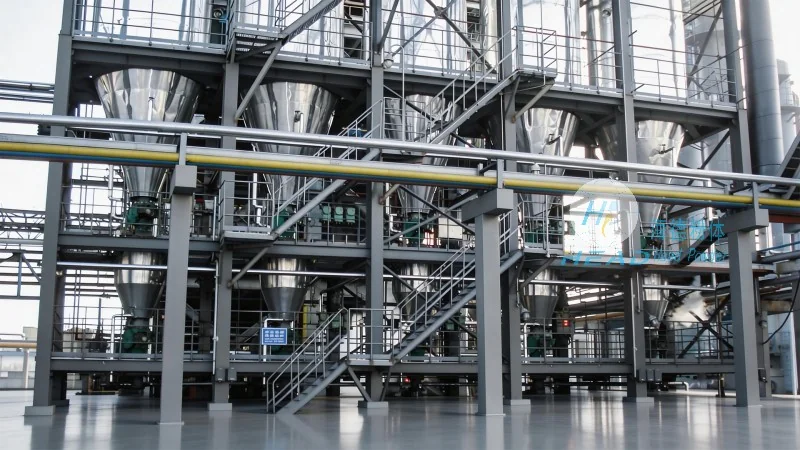
Pneumatic conveying systems utilize air or other gases to transport bulk materials, such as iron oxide powder, from one location to another. These systems are categorized into two main types: pressure and vacuum systems. Pressure systems operate by blowing air or gas into a pipeline under pressure, while vacuum systems draw material into a pipeline using a vacuum. The choice between these systems depends on factors like material properties, distance, and system layout. For iron oxide powder, which is often fine and can be prone to caking or dust generation, a well-designed pneumatic conveying system is crucial to maintain material integrity and prevent operational issues.
Design Principles of Iron Oxide Powder Pneumatic Conveying Equipment
The design of iron oxide powder pneumatic conveying equipment involves several critical principles to ensure optimal performance. First, the system must consider the particle size and flow characteristics of the iron oxide powder. Fine powders, like iron oxide, may require higher air velocities to prevent blockages and ensure consistent flow. Engineers must calculate the appropriate air velocity and pressure drop to maintain stable conveying. Second, the equipment must address the potential for material segregation or agglomeration. Properly designed hopper and feeder systems help maintain a uniform flow of powder, preventing clumping and ensuring consistent particle distribution. Third, the system must incorporate dust control measures, as iron oxide powder can be hazardous if inhaled. Filtration systems and enclosed design are essential to protect both the environment and personnel. Finally, the equipment must be constructed from materials compatible with iron oxide powder, such as stainless steel or corrosion-resistant alloys, to prevent contamination and ensure longevity.
Key Components of Pneumatic Conveying Equipment
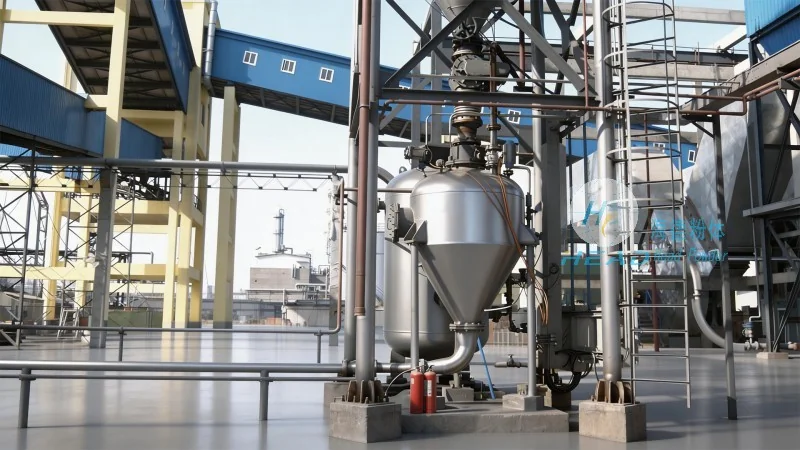
Iron oxide powder pneumatic conveying equipment typically consists of several key components, each playing a vital role in the overall system. The primary components include a hopper or storage silo, a feeder (such as a rotary valve or screw feeder), a pipeline system, a blower or vacuum pump, and a receiver or discharge hopper. The hopper is designed to store the iron oxide powder and feed it into the system at a controlled rate. The feeder regulates the flow of powder into the pipeline, ensuring consistent material delivery. The pipeline transports the powder and air mixture to the discharge point. The blower or vacuum pump provides the necessary pressure or vacuum to move the material. Finally, the receiver collects the conveyed powder and may include a dust collection system to capture any fine particles.
Applications and Benefits in Industrial Settings
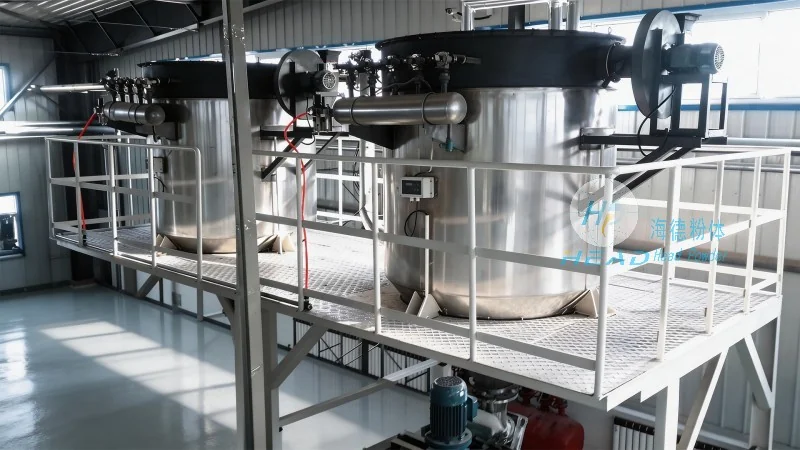
Iron oxide powder pneumatic conveying equipment is widely used in various industrial applications, including chemical manufacturing, pharmaceutical production, and food processing. In these settings, the equipment offers several benefits over traditional methods like belt conveyors or bucket elevators. Pneumatic conveying eliminates the need for mechanical contact with the material, reducing wear and tear and preventing contamination. It also allows for the transport of materials over long distances and through complex layouts, making it ideal for large-scale production facilities. Additionally, the enclosed design of pneumatic systems minimizes dust emissions, improving workplace safety and compliance with environmental regulations. For iron oxide powder, which is often used in pigments, coatings, and other products, maintaining the purity and quality of the material is paramount, and pneumatic conveying helps achieve this by preventing contamination and preserving particle integrity.
About Shandong HeadPowder Engineering Co., Ltd.
Shandong HeadPowder Engineering Co., Ltd. is a leading manufacturer of pneumatic conveying equipment, specializing in solutions tailored to the unique needs of iron oxide powder and other fine materials. With years of experience in the industry, the company has developed a deep understanding of the challenges associated with handling iron oxide powder and has designed equipment that addresses these challenges effectively. The company’s products are engineered to meet high standards of performance, reliability, and safety, ensuring that customers can operate their facilities efficiently and with minimal downtime. HeadPowder’s commitment to quality and customer satisfaction has made it a trusted partner for businesses in various industries, providing them with the tools they need to optimize their material handling processes. The company’s headquarters is located in Shandong, China, where it continues to innovate and develop new solutions to meet the evolving demands of the market.