

What is an Automatic Continuous Material Pneumatic Conveying Line? And What Are Its Design Principle
Automatic continuous material pneumatic conveying lines are advanced industrial systems designed to transport bulk materials efficiently over long distances or within complex production environments. These systems utilize air or gas as the primary medium to move powders, granules, and other particulate materials from one location to another, offering a flexible and often more hygienic alternative to traditional mechanical conveyors. The technology has become increasingly important in various industries, including food processing, pharmaceuticals, chemicals, and minerals, where material handling needs to be precise, clean, and reliable.
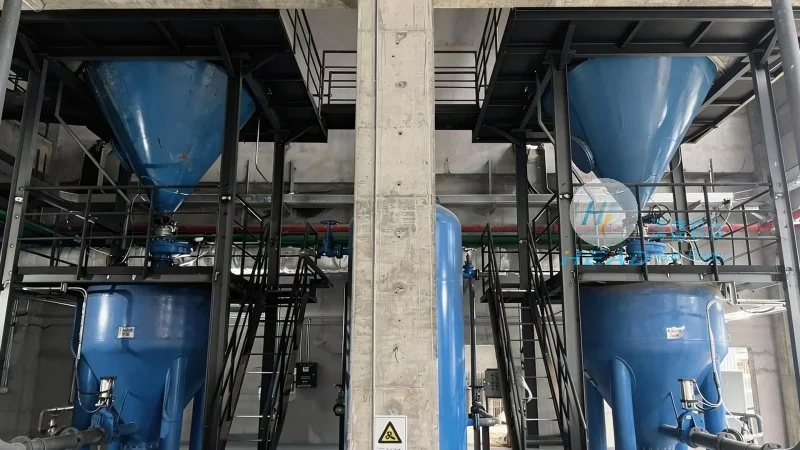
About HeadPowder Engineering Co., Ltd.
HeadPowder Engineering Co., Ltd., a leading manufacturer based in Shandong, China, specializes in the design, development, and installation of pneumatic conveying systems. With years of experience in the industry, the company has built a strong reputation for delivering high-quality, customized solutions tailored to meet the unique requirements of clients worldwide. The company's commitment to innovation and customer satisfaction has enabled it to serve a diverse range of sectors, ensuring that each project is executed with precision and efficiency.
What is an Automatic Continuous Material Pneumatic Conveying Line?
An automatic continuous material pneumatic conveying line is a closed-loop system that continuously transports bulk materials using air or gas pressure. Unlike intermittent or batch systems, this type of conveyor operates continuously, ensuring a steady flow of material from the source to the destination. The system typically consists of several key components, including a material feeder, a conveying line (often with multiple sections), a receiver, and a control system. The material is fed into the system at a controlled rate, and the air or gas is introduced to create a flow that propels the material through the pipeline. This continuous operation minimizes downtime and maximizes productivity, making it ideal for high-volume applications.
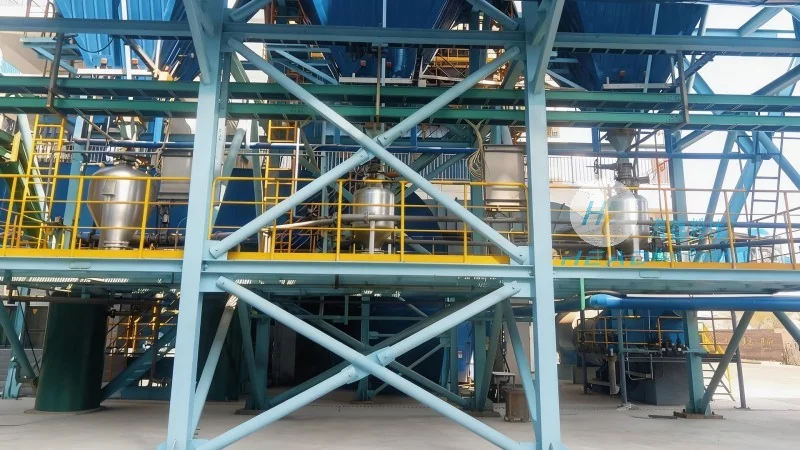
Key Components of the System
The design of an automatic continuous material pneumatic conveying line involves integrating several critical components to ensure optimal performance. The material feeder is responsible for delivering the bulk material into the system at a consistent rate, preventing blockages and ensuring smooth operation. Common types of feeders include rotary valves, star feeders, and screw feeders, each chosen based on the material's properties and the required flow rate. The conveying line itself is usually made of stainless steel or other corrosion-resistant materials to handle various materials and maintain hygiene standards. The line may include bends, expansions, and restrictions to control the flow and pressure within the system. A receiver or hopper is used to collect the material at the end of the line, and a control system manages the entire process, adjusting air pressure, flow rates, and other parameters as needed to maintain efficiency and safety.
How the System Works: The Design Principles
The core design principle of an automatic continuous material pneumatic conveying line is the use of differential pressure to move material through the system. The system operates under a pressure gradient, where the air or gas is introduced at a higher pressure at the inlet and gradually decreases as the material moves through the line. This pressure difference creates a flow that carries the material along the pipeline. The design must consider several factors to ensure effective operation, including the material's density, particle size, and flowability, as well as the required conveying distance and capacity. Engineers must calculate the necessary air velocity and pressure to achieve the desired flow rate while minimizing energy consumption and wear on components. The system also incorporates safety features, such as pressure relief valves and overfill protection, to prevent accidents and ensure operational safety.
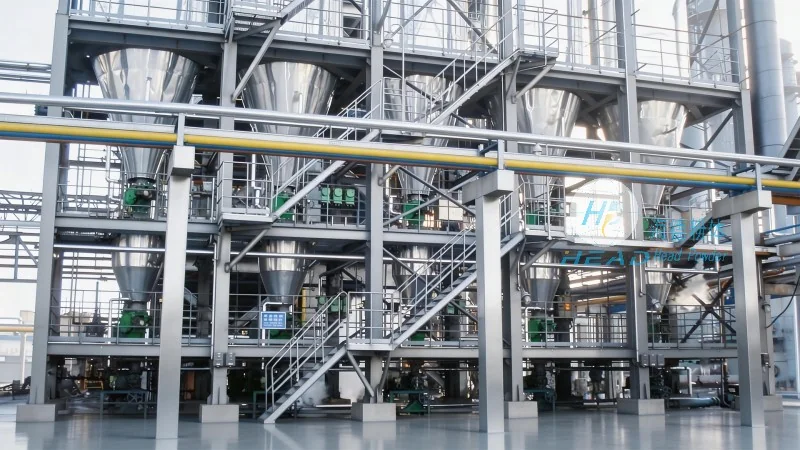
Advantages of Automatic Continuous Material Pneumatic Conveying Lines
Automatic continuous material pneumatic conveying lines offer several advantages over traditional mechanical conveyors. One of the primary benefits is the ability to handle a wide range of materials, including those that are abrasive, dusty, or sensitive to moisture. The closed-loop system also helps maintain a clean and controlled environment, reducing contamination and improving product quality. Additionally, these systems are flexible and can be easily reconfigured to accommodate changes in production needs or material types. The continuous operation reduces downtime and increases overall productivity, making them cost-effective for high-volume operations. Furthermore, the systems are relatively compact and can be installed in tight spaces, making them suitable for modern industrial facilities where space is limited.
Applications in Various Industries
Automatic continuous material pneumatic conveying lines are widely used in various industries due to their versatility and efficiency. In the food and beverage industry, these systems are used to transport ingredients like flour, sugar, and spices, ensuring a hygienic and clean process. In the pharmaceutical industry, they are employed to handle active pharmaceutical ingredients (APIs) and other sensitive materials, maintaining strict contamination control. The chemical industry utilizes these systems for transporting powders and granules, such as pigments, catalysts, and polymers. In the minerals and mining sector, pneumatic conveying lines are used to transport raw materials from processing plants to storage facilities or for further processing. The systems are also used in the plastics and rubber industries to convey raw materials and finished products, improving production efficiency and reducing labor costs.
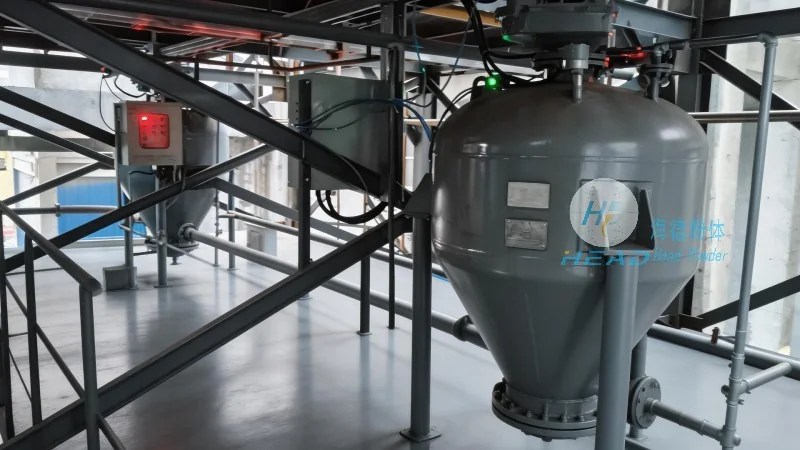
Customization and Integration with Existing Systems
HeadPowder Engineering Co., Ltd. specializes in customizing automatic continuous material pneumatic conveying lines to meet the specific needs of each client. The company works closely with clients to understand their production requirements, material characteristics, and operational constraints, then designs a system that maximizes efficiency and minimizes costs. The systems can be integrated with existing production lines, control systems, and automation technologies, ensuring seamless operation and minimal disruption to current processes. The company also provides comprehensive installation and commissioning services, ensuring that the system is properly set up and optimized for performance. Additionally, HeadPowder offers maintenance and support services to ensure the long-term reliability and efficiency of the conveying line.
Conclusion
Automatic continuous material pneumatic conveying lines are sophisticated industrial systems that offer efficient, flexible, and hygienic solutions for bulk material handling. The design principles, which focus on differential pressure and continuous operation, enable these systems to transport materials over long distances and in complex environments. With the expertise of companies like HeadPowder Engineering Co., Ltd., these systems can be customized to meet the unique needs of various industries, improving productivity and product quality. As industrial demands continue to evolve, the importance of reliable and efficient material handling systems will only increase, making automatic continuous material pneumatic conveying lines a critical component of modern production processes.