

Working Principle and Features of Pneumatic Conveying Systems in Dust Collection Stations
HeadPowder, a leading manufacturer based in Shandong, China, specializes in providing advanced pneumatic conveying systems for dust collection stations. These systems are designed to efficiently transport bulk materials, such as powders and granules, from the dust collection point to storage or processing areas. Understanding the working principle and key features of these systems is crucial for optimizing industrial operations and ensuring compliance with environmental standards.
Working Principle of Pneumatic Conveying Systems in Dust Collection Stations
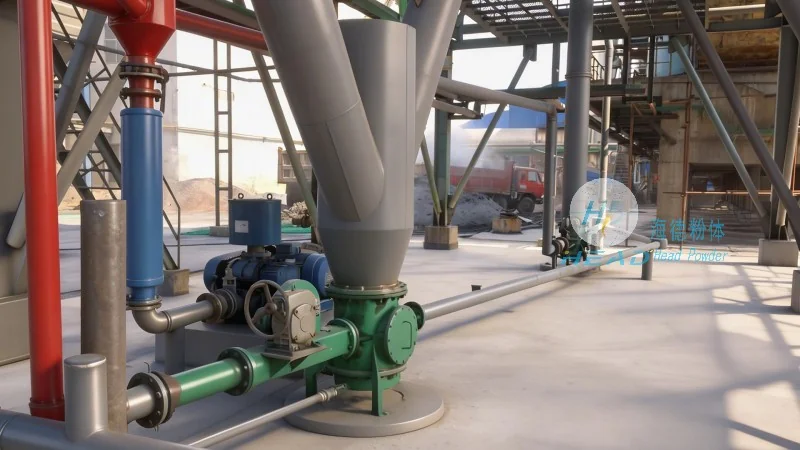
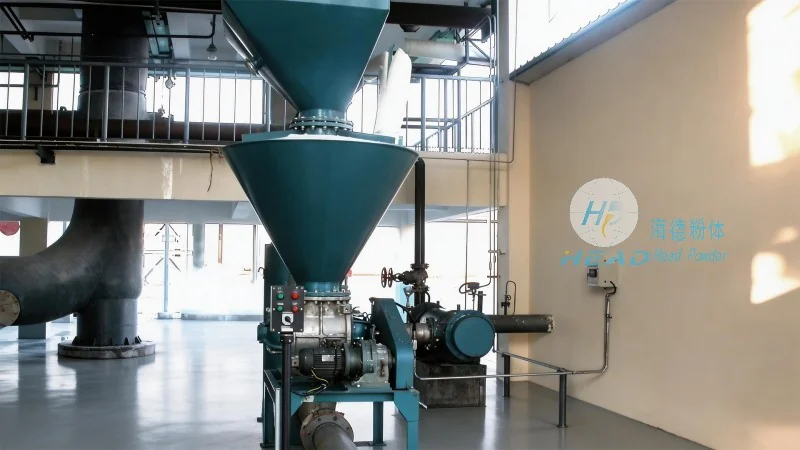
The core mechanism of a pneumatic conveying system in a dust collection station involves the use of compressed air or vacuum to move material particles through a pipeline. The process typically begins with the material being drawn or pushed into the conveying line. In a positive pressure system, high-pressure air is introduced at the material inlet, creating a flow that propels the particles forward. Conversely, in a negative pressure (or vacuum) system, a vacuum is created at the discharge end, pulling the material through the line. The choice between positive and negative pressure depends on factors like material characteristics, distance, and system layout. The system includes components such as a hopper for material storage, a feeder to control the flow rate, a conveying line, and a receiver for the material at the destination. The air flow is managed by a blower or vacuum pump, ensuring consistent and reliable material transport. This mechanism allows for continuous operation, minimizing downtime and enhancing overall productivity.
Key Features of Pneumatic Conveying Systems in Dust Collection Stations
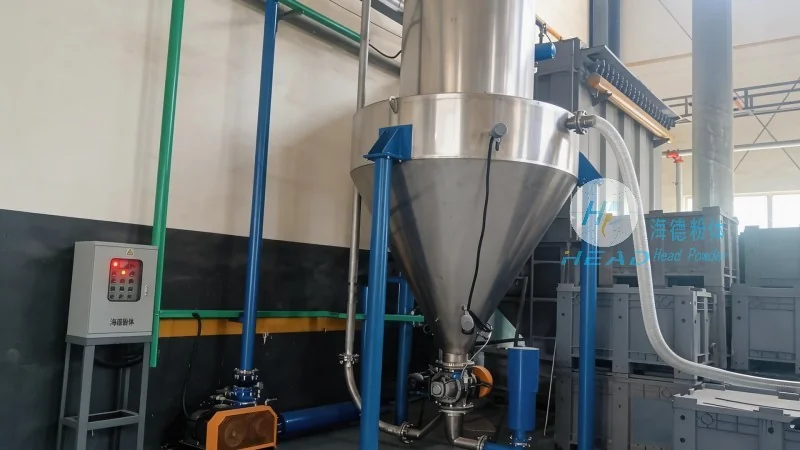
Several notable features distinguish pneumatic conveying systems used in dust collection stations. Firstly, they offer high efficiency in material transport, capable of handling large volumes of bulk materials with minimal manual intervention. This automation reduces labor costs and improves operational consistency. Secondly, these systems are highly flexible, as they can be easily integrated into existing dust collection infrastructure. The modular design allows for adjustments in line length, number of branches, and material types without major modifications. Thirdly, pneumatic conveying is environmentally friendly, as it eliminates the need for open-air handling, which can lead to dust emissions and contamination. The enclosed system ensures that material is contained throughout the transport process, adhering to environmental regulations. Additionally, the systems are designed for durability and low maintenance. High-quality materials and robust construction withstand the abrasive nature of many bulk materials, reducing the frequency of repairs and extending the system's lifespan. Another key feature is the ability to handle a wide range of materials, from fine powders to coarse granules, without causing segregation or degradation. This versatility makes the system suitable for various industrial applications, including pharmaceuticals, food processing, and chemical manufacturing. The systems also provide precise control over material flow, allowing for accurate dosing and dosing rates, which is critical for processes that require consistent material input.
Benefits and Applications in Industrial Settings
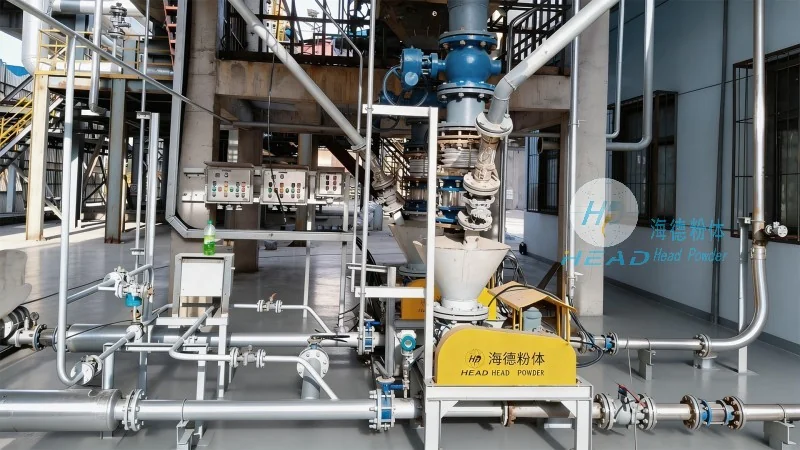
The implementation of pneumatic conveying systems in dust collection stations brings numerous benefits to industrial operations. One of the primary advantages is the significant reduction in dust-related hazards. By containing material within a sealed system, the risk of airborne dust exposure is minimized, improving workplace safety and reducing the need for additional dust control measures. This also helps in maintaining a cleaner working environment, which is essential for both employee health and regulatory compliance. Another benefit is the improvement in operational efficiency. The continuous and automated transport of materials reduces the time required for material handling, allowing for faster production cycles and increased output. This efficiency is particularly valuable in high-demand manufacturing environments where speed and consistency are paramount. Furthermore, the systems contribute to cost savings by reducing material loss and minimizing the need for manual handling. The enclosed design prevents material spillage and loss during transport, ensuring that the material reaches its destination in optimal condition. This not only saves on material costs but also reduces waste and the associated disposal expenses. In terms of applications, pneumatic conveying systems are widely used in industries that rely on bulk material handling. For example, in the pharmaceutical industry, these systems are used to transport active ingredients and excipients with high precision and minimal contamination. In the food processing sector, they handle ingredients like flour, sugar, and spices, ensuring hygiene and maintaining product quality. The chemical industry also benefits from these systems when transporting powders and granules, as they prevent cross-contamination and maintain the integrity of the materials. Overall, the integration of pneumatic conveying systems in dust collection stations enhances operational efficiency, improves safety, and supports sustainable industrial practices.