HeadPowder, a leading provider of industrial conveying solutions, specializes in the design, manufacturing, and installation of catalyst pneumatic conveying systems. Based in Shandong, China, the company has established itself as a trusted partner for clients seeking efficient and reliable equipment for handling catalysts in various industrial applications. This article explores the fundamental working principles and key features of catalyst pneumatic conveying systems, highlighting how these systems enhance operational efficiency and safety in chemical processing and related industries.
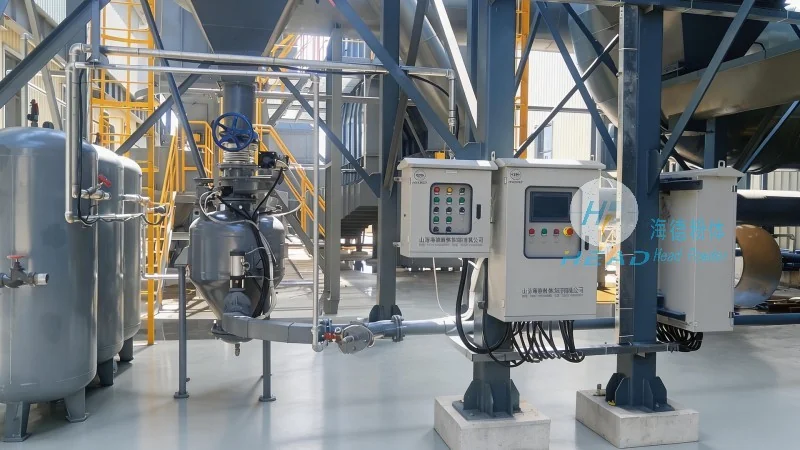
Understanding the Working Principle of Catalyst Pneumatic Conveying Systems
Catalyst pneumatic conveying systems utilize the principles of fluid dynamics to transport solid catalyst particles through a pipeline using a gas stream. The primary working principle involves the generation of a high-velocity air or gas flow that entrains the catalyst particles, creating a slurry-like mixture known as a "conveyed stream." This process can be categorized into two main types: suction (or negative pressure) systems and pressure (or positive pressure) systems, each with distinct operational characteristics and applications.
In suction systems, a vacuum is created at the material pickup point, drawing the catalyst particles into the pipeline. The vacuum is typically generated by a rotary lobe pump or a venturi system, which pulls air and particles through the line. This method is ideal for applications where the material needs to be transported from a lower elevation or over short distances, as it relies on the suction force to move the material. The system includes a hopper or feeder at the pickup point, which holds the catalyst and allows it to be drawn into the pipeline as the vacuum is applied.
Conversely, pressure systems operate by forcing compressed air or gas through the pipeline, pushing the catalyst particles forward. This approach is commonly used for longer distances or when the material must be elevated to a higher level. The system typically includes a blower or compressor that supplies the high-pressure air, and a hopper or feeder that feeds the catalyst into the pipeline. The pressure system ensures a consistent flow rate and can handle a wider range of particle sizes and densities compared to suction systems.
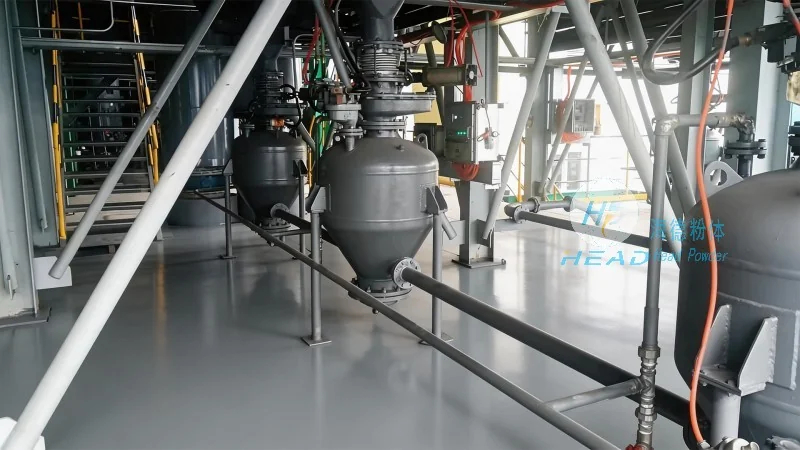
Key Features of Catalyst Pneumatic Conveying Systems
HeadPowder's catalyst pneumatic conveying systems are engineered with several key features that enhance performance, reliability, and safety. One of the most significant features is the ability to handle abrasive and sensitive catalyst materials without causing degradation or contamination. The system's design incorporates wear-resistant components, such as stainless steel or special alloys, to minimize wear from repeated particle impact, ensuring long service life and consistent material quality.
Another critical feature is the system's flexibility in handling varying particle sizes and flow rates. The adjustable air flow and pressure settings allow operators to optimize the conveying process for different catalyst types, ensuring efficient transport while preventing blockages or excessive pressure drops. This adaptability is particularly valuable in industries where catalyst formulations may change, requiring the system to accommodate new particle characteristics without major modifications.
Efficiency and energy conservation are also prominent features of these systems. By using a closed-loop system with minimal pressure loss, HeadPowder's equipment reduces energy consumption compared to traditional mechanical conveying methods. The use of high-efficiency blowers and optimized pipeline design minimizes the energy required to transport the catalyst, contributing to lower operational costs and reduced environmental impact.
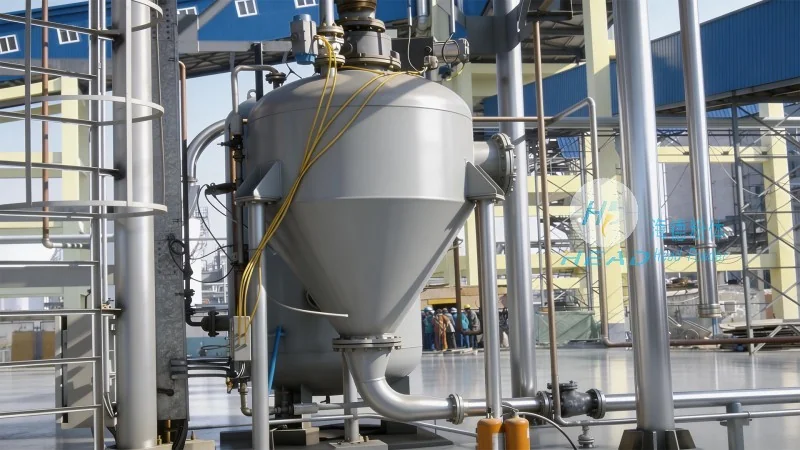
Additionally, the systems are designed with safety in mind, incorporating features such as automatic shut-off valves, pressure relief devices, and dust collection systems to prevent accidents and protect personnel. The enclosed pipeline design prevents dust emissions, ensuring compliance with environmental regulations and maintaining a safe working environment. These safety features are essential in industrial settings where catalyst handling involves potential hazards, such as dust explosions or material exposure.
Applications and Benefits in Industrial Settings
Catalyst pneumatic conveying systems are widely used in various industrial sectors, including petrochemical, pharmaceutical, and chemical manufacturing. In these applications, the systems play a crucial role in transporting catalysts between reactors, storage tanks, and processing units. The benefits of using such systems include improved process control, reduced downtime, and enhanced product quality. By ensuring consistent catalyst delivery, the systems help maintain optimal reaction conditions, leading to higher yields and better product performance.
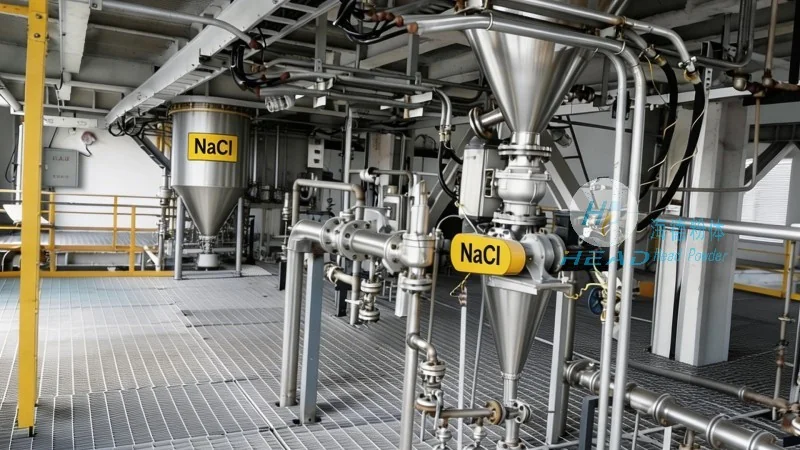
Furthermore, the systems contribute to operational safety by minimizing manual handling of catalysts, which can be hazardous due to their potential to cause respiratory issues or chemical reactions. The automated conveying process reduces the risk of human error and exposure to harmful materials, creating a safer work environment for employees. This is particularly important in industries where catalysts may be toxic or reactive, as the enclosed system prevents accidental spills or leaks.
From a cost perspective, the efficiency and reliability of catalyst pneumatic conveying systems translate into significant savings for industrial operations. Lower energy consumption, reduced maintenance costs due to durable components, and minimized downtime from fewer blockages all contribute to improved overall profitability. Additionally, the ability to handle a wide range of catalyst types without extensive modifications makes these systems a versatile investment for companies operating in dynamic industrial environments.
Conclusion
HeadPowder's catalyst pneumatic conveying systems exemplify the integration of advanced engineering principles with practical industrial needs. By understanding the fundamental working principles—whether through suction or pressure mechanisms—and leveraging key features such as wear resistance, flexibility, and energy efficiency, these systems provide reliable and efficient solutions for catalyst transport. Based in Shandong, China, HeadPowder continues to innovate and deliver high-quality equipment that meets the evolving demands of the chemical and industrial sectors. For businesses seeking to enhance their catalyst handling processes, investing in a well-designed pneumatic conveying system from HeadPowder is a strategic decision that can lead to improved operational performance, safety, and cost-effectiveness.




