Alloy powder handling is a critical process in various industrial applications, particularly in manufacturing sectors that rely on precise material transport. Pneumatic conveying systems have emerged as an efficient solution for moving alloy powders, offering advantages such as dust-free operation, reduced material degradation, and enhanced safety. This article explores the working principle and key features of alloy powder pneumatic conveying systems, highlighting their role in modern industrial processes. The demand for reliable and efficient powder transport has led to the development of advanced pneumatic systems tailored to the unique properties of alloy powders, which often require gentle handling to maintain their quality and performance.
Working Principle of Alloy Powder Pneumatic Conveying Systems
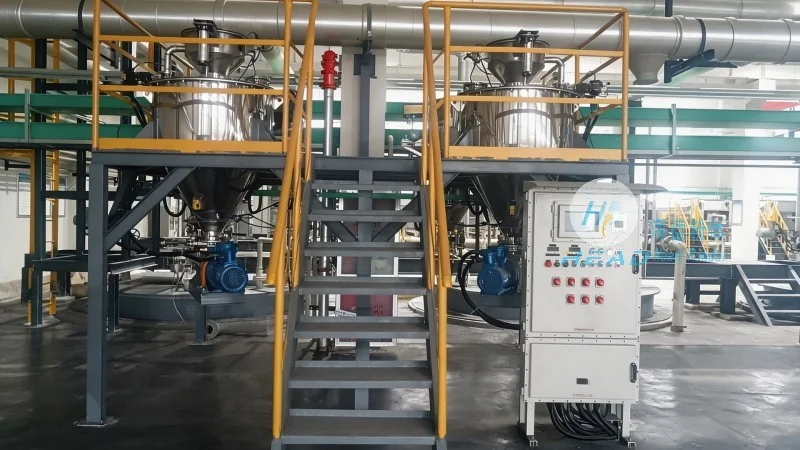
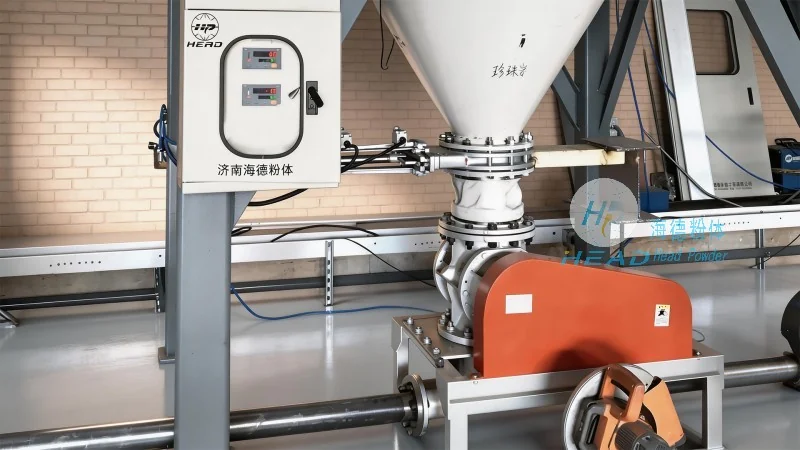
The core mechanism of an alloy powder pneumatic conveying system involves the use of compressed air to transport powder materials through a pipeline. The system typically consists of a hopper for material storage, a feeder to control the flow rate, a conveying line, and a receiver for the discharged material. As the alloy powder is fed into the system, it is entrained by the high-velocity air stream, creating a suspension that travels through the pipeline. The air pressure and velocity are carefully controlled to ensure stable and efficient transport, minimizing issues like particle segregation or blockages. The system may employ different modes of operation, such as pressure or vacuum conveying, depending on the application requirements and the distance over which the powder needs to be transported. In pressure conveying, the system uses a positive pressure to push the powder through the line, while vacuum conveying uses a negative pressure to pull the material. The choice of mode depends on factors like the material's flowability, the distance to be covered, and the need for containment. The feeder, often a rotary valve or a screw feeder, regulates the flow of powder into the conveying line, ensuring a consistent feed rate. The hopper, typically equipped with a venting system, maintains a stable pressure and prevents material bridging or caking. The conveying line is made of materials resistant to corrosion and abrasion, such as stainless steel or special alloys, to withstand the harsh conditions of alloy powder transport. The receiver, usually a storage tank or a processing vessel, collects the material at the end of the line, allowing for further processing or storage. The entire system is controlled by a programmable logic controller (PLC) or a dedicated control unit, which monitors parameters like air pressure, flow rate, and material level, ensuring optimal operation and preventing malfunctions.
Key Features of Alloy Powder Pneumatic Conveying Systems
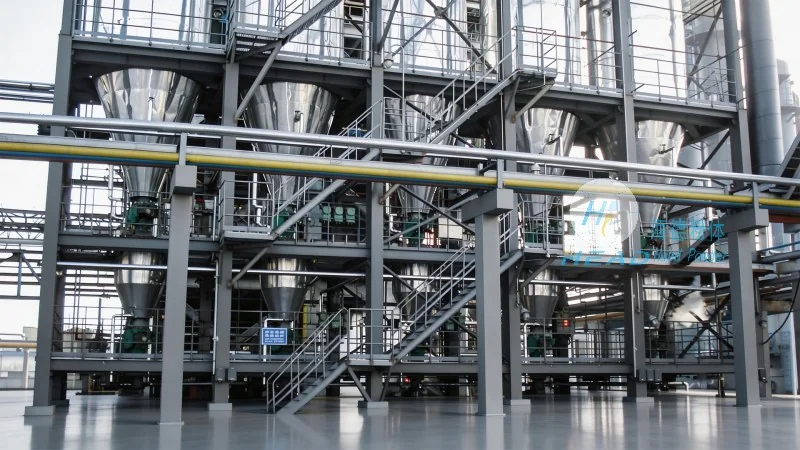
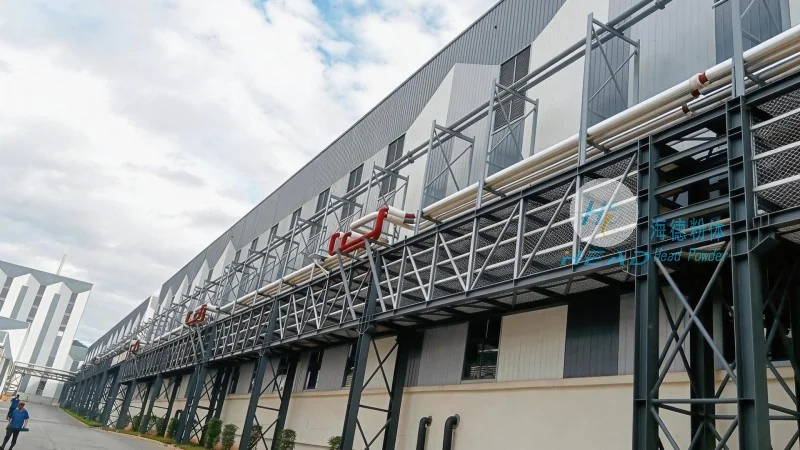
Alloy powder pneumatic conveying systems are designed with several key features that enhance their performance and suitability for industrial use. One of the primary advantages is the ability to handle abrasive and sensitive materials without causing damage or contamination. The enclosed system prevents dust emissions, making it suitable for environments where air quality and safety are paramount. Additionally, these systems offer flexibility in terms of layout, as they can be configured to accommodate complex production lines and varying material flow rates. The use of advanced control systems allows for precise regulation of air pressure and flow, ensuring consistent and reliable operation. Another notable feature is the reduced maintenance requirements compared to traditional mechanical conveying methods, as there are fewer moving parts involved. This not only lowers operational costs but also minimizes downtime, contributing to overall process efficiency. The systems are also designed for easy cleaning and maintenance, with features like removable components and self-cleaning mechanisms that help maintain hygiene standards. Furthermore, the ability to transport powders over long distances without the need for intermediate storage or handling points makes pneumatic systems highly efficient for large-scale operations. The integration of sensors and monitoring tools provides real-time data on system performance, enabling proactive maintenance and reducing the risk of unexpected failures. These features collectively make alloy powder pneumatic conveying systems a preferred choice for industries that demand high precision, reliability, and safety in material handling.




