Lithium oxalate powder is a critical material in various industrial applications, and its efficient handling through pneumatic conveying systems is essential for maintaining production efficiency and product quality. This article explores the working principle and key characteristics of lithium oxalate powder pneumatic conveying, providing insights into how this technology facilitates the transport of fine powders like lithium oxalate.
Working Principle of Lithium Oxalate Powder Pneumatic Conveying
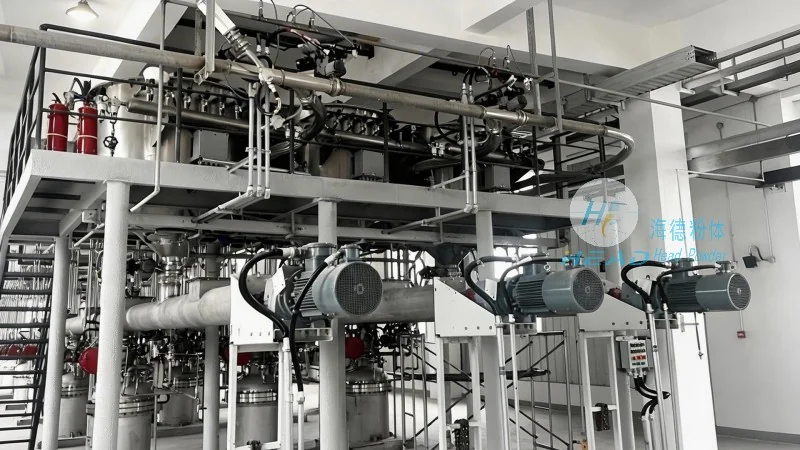
The core mechanism of lithium oxalate powder pneumatic conveying involves the use of a gas stream (typically air or a specific gas mixture) to transport the powder particles through a pipeline system. The process typically operates under pressure, where the gas is introduced into the conveying line, creating a flow that lifts and propels the powder particles. This method relies on the interaction between the gas velocity and the powder's particle size, density, and aerodynamic properties. The system generally consists of a feeding device, a conveying line, a separation unit, and a collection system. The feeding device ensures a consistent flow of lithium oxalate powder into the pipeline, while the conveying line transports the powder mixture. The separation unit, such as a cyclone or filter, separates the powder from the gas stream, and the collection system stores the processed powder. The entire process is designed to minimize particle degradation, maintain particle size distribution, and ensure efficient material transfer.
Key Characteristics of Lithium Oxalate Powder Pneumatic Conveying
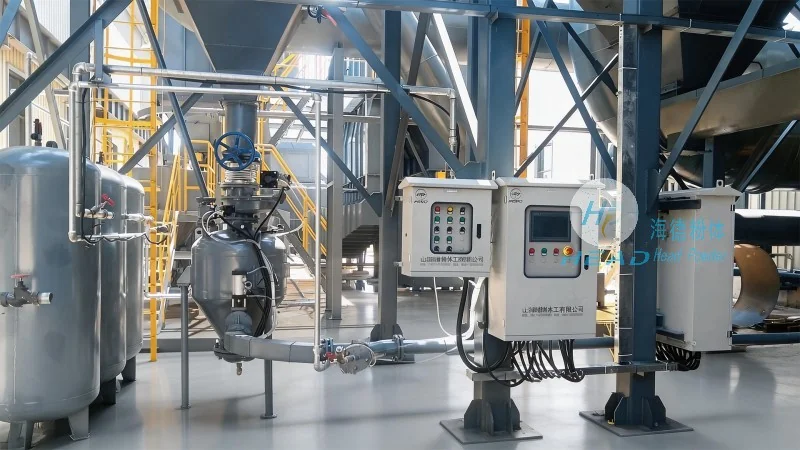
Several distinct characteristics define the performance of lithium oxalate powder pneumatic conveying systems. Firstly, the system offers a high degree of flexibility in terms of material handling, allowing for the transport of fine powders over varying distances and through complex piping configurations. This adaptability is crucial for industrial settings where space constraints or layout changes are common. Secondly, pneumatic conveying systems provide excellent control over the conveying rate, enabling precise regulation of the powder flow to match production demands. This control is vital for maintaining consistent product quality and preventing overloading or underloading of downstream processes. Thirdly, the technology minimizes the risk of material contamination, as the sealed pipeline system prevents exposure to external elements and cross-contamination. This is particularly important for lithium oxalate, which is often used in applications requiring high purity, such as battery manufacturing. Additionally, the system reduces the need for manual handling, enhancing workplace safety and reducing the risk of dust-related health issues. The energy efficiency of pneumatic conveying systems also contributes to operational cost savings, as they can be optimized to use minimal air pressure while still achieving effective material transport. Finally, the system's ability to handle abrasive or sensitive powders like lithium oxalate without causing particle breakage or agglomeration is a significant advantage, preserving the material's integrity for downstream processing.
Applications and Benefits in Industrial Settings
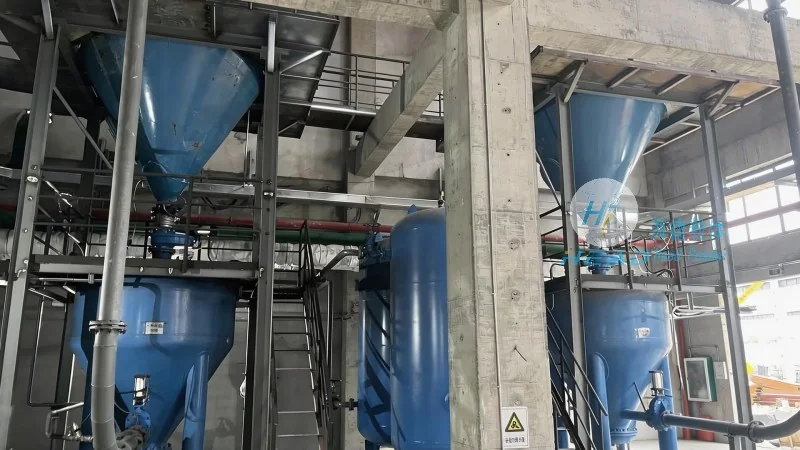
Lithium oxalate powder pneumatic conveying is widely utilized in industries where fine powders are processed, including battery manufacturing, pharmaceuticals, and chemical production. In battery manufacturing, for example, lithium oxalate is a key precursor for lithium-ion batteries, and efficient conveying ensures a steady supply of raw material to the production line. The benefits of this technology in such applications include improved production throughput, reduced downtime due to material handling issues, and enhanced product consistency. In pharmaceutical applications, the sealed and controlled nature of pneumatic conveying helps maintain the purity and sterility of the powder, which is critical for meeting regulatory standards. The system's ability to handle sensitive materials without degradation also extends to other chemical processes where the quality of the powder directly impacts the final product's performance. Overall, the adoption of lithium oxalate powder pneumatic conveying in industrial settings leads to increased operational efficiency, lower maintenance costs, and improved product quality.
About Shandong HeadPowder Engineering Co., Ltd.
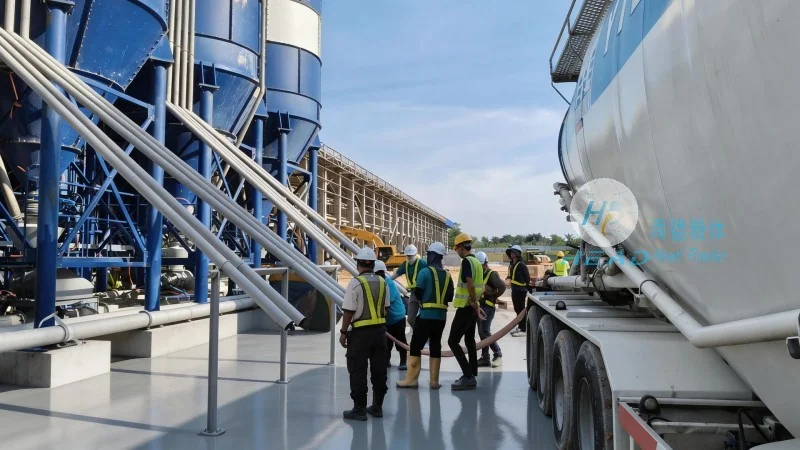
Shandong HeadPowder Engineering Co., Ltd., commonly known as HeadPowder, is a leading provider of powder handling solutions, specializing in the design, manufacturing, and installation of pneumatic conveying systems. With a focus on innovation and customer-centric approaches, HeadPowder has established itself as a trusted partner in the industry. The company's expertise lies in understanding the unique challenges of handling fine powders like lithium oxalate, and its engineers develop customized solutions tailored to each client's specific requirements. HeadPowder's facilities are located in Shandong, China, where the company leverages advanced technology and skilled workforce to deliver high-quality products and services. The company's commitment to quality and reliability has earned it a reputation for excellence in the market, making it a preferred choice for businesses seeking efficient and reliable powder handling systems. By combining technical expertise with practical experience, HeadPowder ensures that its customers receive solutions that meet their operational needs while adhering to industry standards and safety regulations.




