

Working Principle and Characteristics of Pneumatic Conveying for Textile Fiber Powders
Understanding the working principle and characteristics of pneumatic conveying for textile fiber powders is crucial for optimizing material handling processes in the textile industry. This technology enables the efficient transport of fine fibers and powders from one location to another, enhancing productivity and operational efficiency.
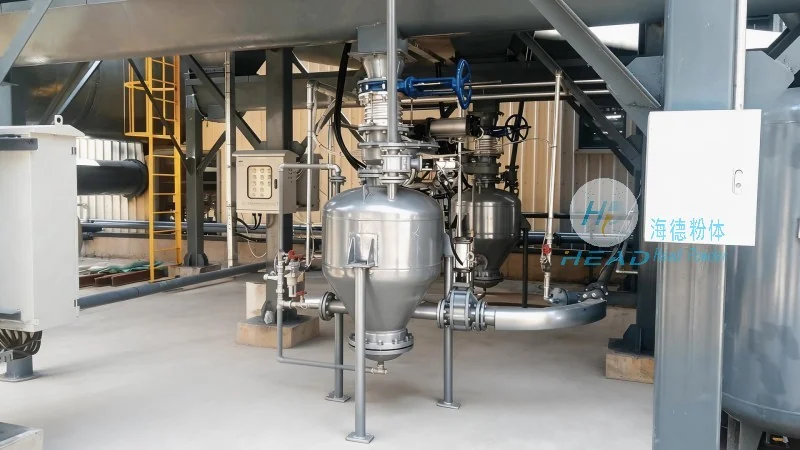
The Working Principle of Pneumatic Conveying Systems
The working principle of pneumatic conveying systems for textile fibers involves the use of compressed air or gas to move material through a pipeline. There are two primary types of pneumatic conveying: pressure and vacuum systems. In pressure systems, air is introduced at the material inlet, creating a positive pressure that propels the fibers forward. Vacuum systems, on the other hand, use a vacuum at the receiving end to draw material into the pipeline. The choice between these systems depends on factors such as the distance of transport, the material's properties, and the required flow rate.
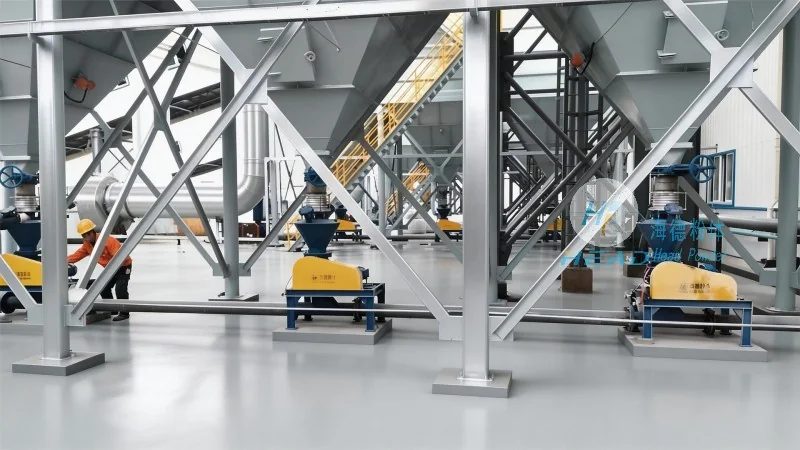
Key Characteristics of Pneumatic Conveying for Textile Fibers
Key characteristics of pneumatic conveying for textile fibers include high efficiency in material transport, minimal product degradation due to gentle handling, and the ability to handle a wide range of fiber types and particle sizes. Unlike mechanical conveying methods, pneumatic systems do not require physical contact with the material, reducing the risk of contamination and damage. Additionally, these systems can be integrated with other processing equipment, such as mixing and blending units, to create a seamless production line.
Technical Advantages and Practical Applications
Technical advantages of pneumatic conveying for textile fibers include energy efficiency, especially when using low-pressure systems, and the ability to handle abrasive or delicate materials without compromising quality. Practical applications include the transport of cotton, polyester, and other synthetic fibers from storage silos to processing machines, as well as the transfer of finished products from production lines to packaging areas. The systems are also adaptable to different plant layouts, allowing for flexible installation in existing or new textile facilities.
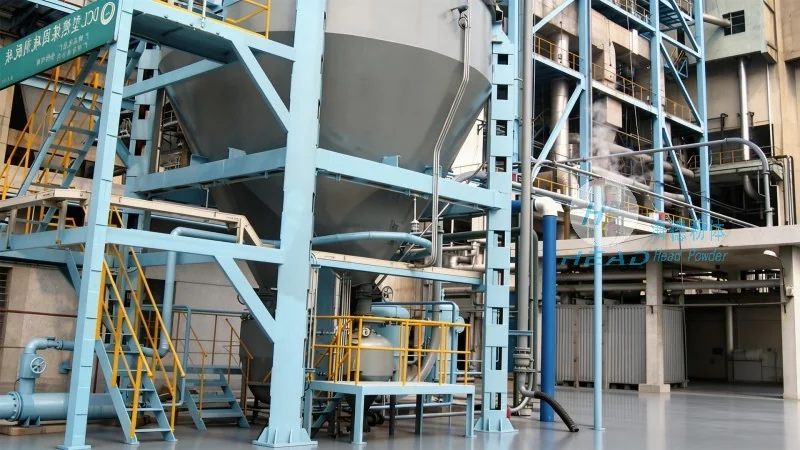
Company Profile: Shandong HeadPowder Engineering Co., Ltd.
Shandong HeadPowder Engineering Co., Ltd., a leading provider of pneumatic conveying solutions, specializes in designing and manufacturing systems tailored to the unique needs of the textile industry. With a focus on innovation and quality, the company has established itself as a trusted partner for textile manufacturers seeking to enhance their material handling capabilities. HeadPowder's expertise in pneumatic technology ensures that clients receive customized solutions that optimize performance, reduce downtime, and improve overall operational efficiency. The company's headquarters is located in Shandong, China, where it continues to develop advanced technologies to meet the evolving demands of the textile sector.