Understanding the air-driven transport of zinc suboxide powder is crucial for optimizing material handling processes in various industrial applications. This article delves into the working principle and key characteristics of this technology, providing insights into its efficiency, reliability, and practical applications.
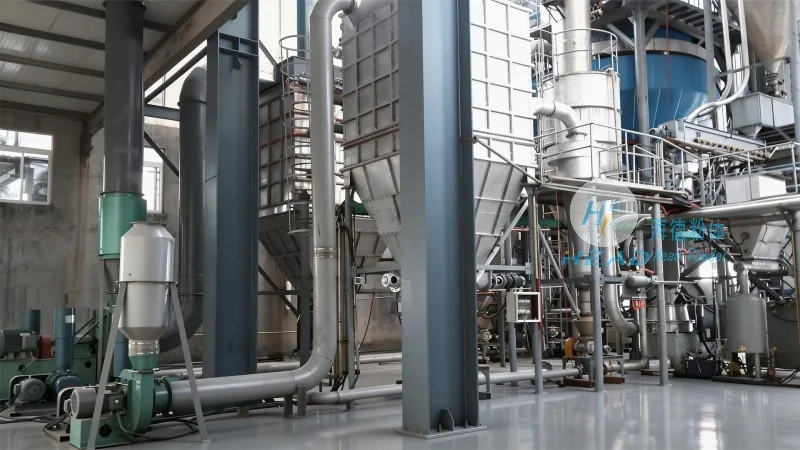
Introduction to Zinc Suboxide Powder and Air-Driven Transport
Zinc suboxide powder, a compound with the chemical formula ZnO, is widely used in industries such as battery manufacturing, pigments, and coatings. Efficient and safe transportation of this fine powder is essential to maintain product quality and operational efficiency. Air-driven transport, also known as pneumatic conveying, offers a non-contact method to move powders through a system using pressurized air or vacuum. This approach is particularly suitable for zinc suboxide due to its fine particle size and potential for dust generation. Shandong HeadPowder Engineering Co., Ltd., a leading provider in the field, specializes in developing and implementing advanced material handling solutions, including air-driven transport systems for various powders, including zinc suboxide.
Working Principle of Air-Driven Transport for Zinc Suboxide Powder
The core of air-driven transport for zinc suboxide powder involves the use of a conveying system that combines air flow with the powder to create a fluidized or suspended state. The process typically starts with the powder being introduced into a hopper or feeder, where it is then fed into a pipeline. Pressurized air is then introduced into the pipeline, creating a flow that carries the powder particles along with it. The velocity of the air is carefully controlled to ensure that the powder remains suspended without settling or clogging the system. Key components of this system include the feeder, the conveying line, and the receiver or discharge point. The air flow is managed by a blower or compressor, which maintains the necessary pressure and flow rate to achieve effective transport. The entire system operates under controlled conditions to prevent particle degradation or agglomeration, which could affect the powder's performance in downstream processes.
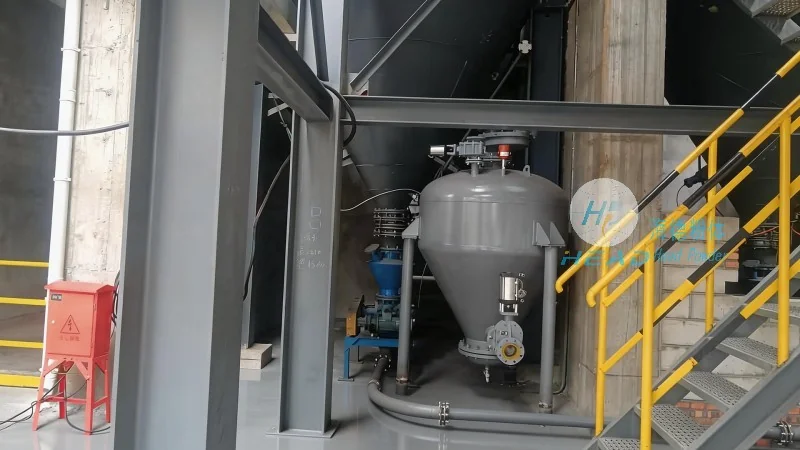
Key Characteristics of Air-Driven Transport for Zinc Suboxide Powder
Several distinct characteristics define the performance of air-driven transport for zinc suboxide powder, making it a preferred choice in many industrial settings. Firstly, the non-contact nature of the process minimizes contamination risks, ensuring that the powder remains free from external particles or moisture. This is critical for applications where purity is paramount, such as in battery cathode production. Secondly, the system offers high efficiency in terms of material throughput, allowing for continuous and uninterrupted operation. The ability to handle large volumes of powder without the need for mechanical components reduces maintenance requirements and operational costs. Thirdly, air-driven transport provides flexibility in terms of system design and layout. The conveying lines can be configured to follow complex paths, adapting to the spatial constraints of industrial facilities. This adaptability is particularly valuable in plants where space is limited or where the powder needs to be transported over long distances. Additionally, the technology offers good control over the powder's velocity and flow rate, enabling precise dosing and feeding into subsequent processes. This level of control is essential for maintaining consistent product quality and process stability.
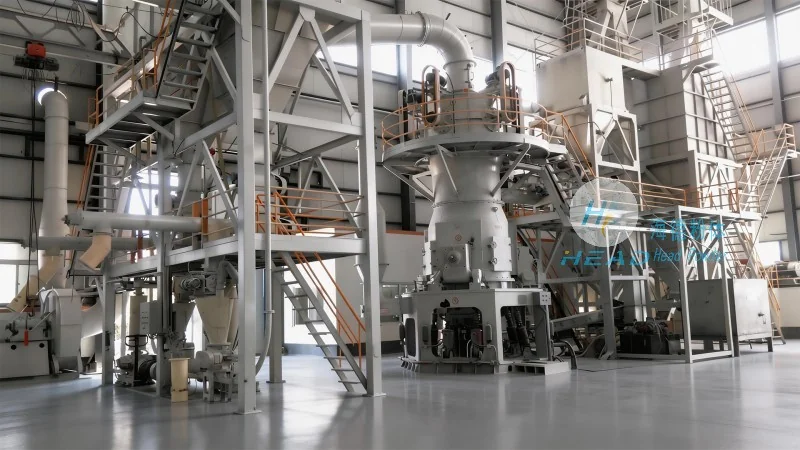
Advantages and Considerations in Implementing Air-Driven Transport
Implementing air-driven transport for zinc suboxide powder comes with several advantages that enhance operational performance. The primary benefit is the reduction in labor costs associated with manual handling and material transfer. By automating the transport process, companies can improve safety by minimizing human exposure to dust and potential hazards. The system also contributes to better environmental management by containing dust emissions and reducing the risk of airborne particle dispersion. However, there are considerations to keep in mind when adopting this technology. The initial investment in equipment, such as blowers, conveyors, and control systems, can be significant. Additionally, the system requires regular maintenance to ensure optimal performance and prevent downtime. The selection of appropriate air velocities and system pressures is critical to avoid issues like particle degradation or system blockages. Proper system design and engineering are essential to address these challenges and maximize the benefits of air-driven transport.
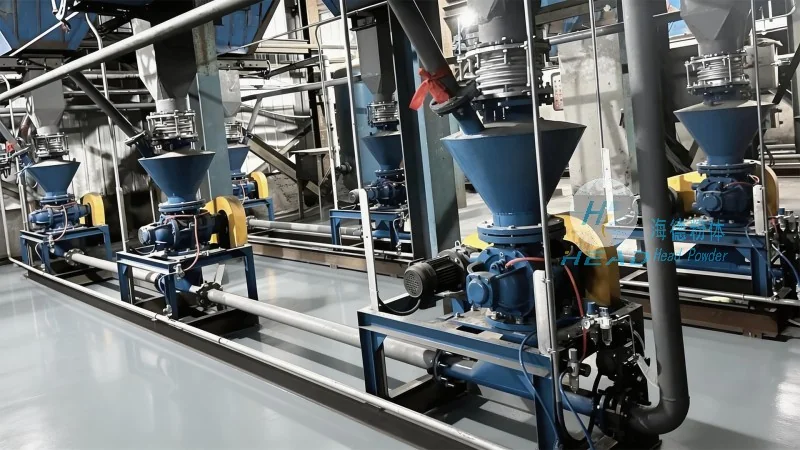
Applications and Industry Impact
Air-driven transport for zinc suboxide powder plays a vital role in various industrial applications, contributing to the efficiency and reliability of production processes. In the battery industry, for example, the precise and clean transport of zinc suboxide is crucial for manufacturing high-performance cathodes. The technology ensures that the powder is delivered to the mixing and coating stages without contamination, leading to improved battery performance and longevity. In the pigment and coating industries, the consistent supply of zinc suboxide powder is essential for maintaining the quality and color stability of end products. The ability to handle fine powders with minimal degradation also enhances the durability and aesthetic properties of coatings. Furthermore, the technology supports the growth of sustainable manufacturing practices by reducing waste and improving material utilization. By optimizing the transport process, companies can enhance their overall operational efficiency and competitiveness in the market.
Conclusion
In conclusion, air-driven transport for zinc suboxide powder is a sophisticated and effective method for material handling in industrial applications. The working principle, which involves the use of pressurized air to transport fine particles, offers several key characteristics that enhance performance, including non-contact operation, high efficiency, and flexibility. While there are considerations related to initial investment and maintenance, the benefits of improved safety, reduced contamination, and operational efficiency make it a valuable technology for companies dealing with zinc suboxide powder. As industrial processes continue to evolve, the adoption of advanced material transport technologies like air-driven conveying will remain critical for maintaining product quality and operational excellence. For businesses seeking to optimize their zinc suboxide handling processes, understanding and implementing this technology can lead to significant improvements in productivity and competitiveness.




