Understanding the working principle and characteristics of dry sludge powder pneumatic conveying is crucial for optimizing the handling and transportation of sludge in industrial and municipal applications. This article provides a detailed overview, focusing on the technical aspects and operational benefits of this advanced material transport method.
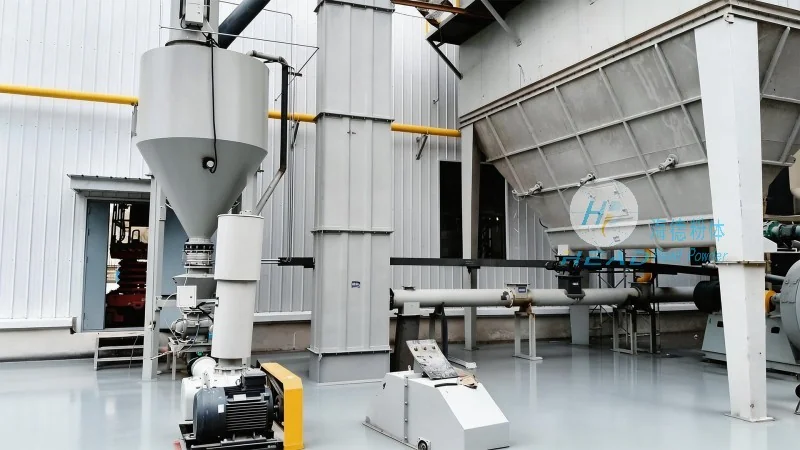
HeadPowder, a leading provider in the field, offers specialized solutions for efficient sludge handling. The company, based in Shandong, China, leverages cutting-edge technology to ensure reliable and cost-effective pneumatic conveying systems for dry sludge powder. By integrating expertise in material science and engineering, HeadPowder delivers systems that meet the stringent requirements of modern waste management and processing industries.
Working Principle of Dry Sludge Powder Pneumatic Conveying
The core of dry sludge powder pneumatic conveying lies in the use of compressed air or gas to transport dry, powdered materials through a pipeline. The process involves several key components and steps that work in tandem to achieve efficient material movement. First, the dry sludge powder is fed into the conveying system, typically via a hopper or feeder. The material is then introduced into a pipeline where it is entrained by the high-velocity air stream. This air-stream, generated by a blower or compressor, creates a negative pressure or positive pressure environment within the pipeline, depending on the system design.
In a typical positive pressure system, the blower supplies air at a pressure higher than the ambient air, pushing the sludge powder through the pipeline. The air and powder mixture travels through the pipeline, often with the assistance of bends, valves, and other fittings. The velocity of the air must be sufficient to keep the powder particles suspended and prevent settling or blockages. The system may include a receiver or collection tank at the end, where the sludge powder is separated from the air stream through a filter or cyclone. The separated air is then discharged, while the dry sludge powder is collected for further processing or disposal.
Key Characteristics of Dry Sludge Powder Pneumatic Conveying
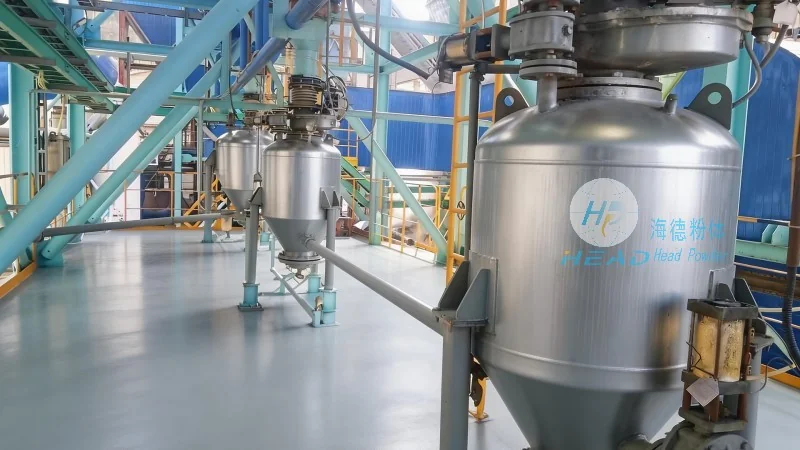
Dry sludge powder pneumatic conveying systems exhibit several distinct characteristics that make them suitable for various applications. One of the primary advantages is the ability to transport dry sludge powder over long distances with minimal loss of material. The system is also highly flexible, allowing for changes in pipeline layout and material flow rates without significant modifications. Additionally, the process is relatively clean and hygienic, as the material is kept in a dry state and enclosed within the pipeline, reducing the risk of contamination or odor issues.
Another notable characteristic is the energy efficiency of the system, especially when optimized for specific material properties. The use of compressed air can be more energy-efficient than traditional mechanical conveying methods, particularly for fine or dusty materials like dry sludge powder. The system also offers high throughput capabilities, enabling the transport of large volumes of material in a short period. Furthermore, the design allows for easy integration with other processing equipment, such as dewatering units or storage tanks, facilitating a seamless workflow in sludge management operations.
Technical Advantages and Operational Benefits
Implementing dry sludge powder pneumatic conveying offers numerous technical advantages and operational benefits for industries dealing with sludge. The system provides a dust-free and odor-controlled environment, which is essential for maintaining workplace safety and compliance with environmental regulations. The enclosed pipeline design minimizes the exposure of personnel to hazardous materials, enhancing overall safety in the workplace.
From an operational standpoint, the system offers high reliability and low maintenance requirements. The absence of moving parts in the pipeline (excluding the feeding and discharge equipment) reduces the risk of mechanical failure and the need for frequent maintenance. This leads to lower operational costs and increased system uptime. The flexibility of the system also allows for easy scaling, whether expanding the conveying capacity or modifying the pipeline layout to accommodate changes in production or facility layout.
Application Scenarios and Industry Impact
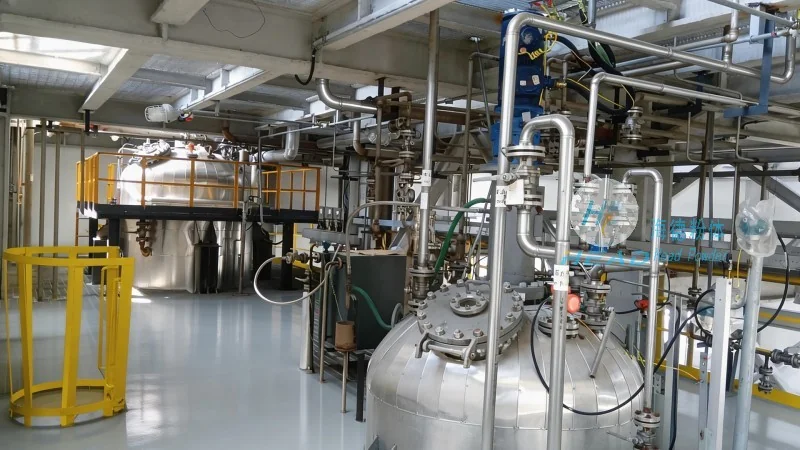
Dry sludge powder pneumatic conveying is widely used in various industries, including municipal wastewater treatment, industrial waste management, and agricultural applications. In municipal settings, the system is employed to transport dewatered sludge from treatment plants to disposal sites or for further processing, such as incineration or land application. The ability to handle large volumes of dry sludge efficiently reduces transportation costs and improves the overall efficiency of the wastewater treatment process.
In industrial settings, the system is utilized for the transport of sludge from manufacturing processes, such as food processing, pharmaceuticals, or chemical production. The dry sludge powder is often processed further to recover valuable resources or to reduce the volume of waste before disposal. The efficient conveying system ensures that the material is handled in a controlled manner, minimizing environmental impact and maximizing resource recovery.
Conclusion and Future Outlook
Overall, dry sludge powder pneumatic conveying is a highly effective and versatile method for transporting dry sludge powder. The working principle, characterized by the use of compressed air to entrain and transport material, combined with its distinct characteristics such as flexibility, energy efficiency, and low maintenance, makes it an ideal solution for modern sludge management. HeadPowder, with its expertise and commitment to quality, continues to provide advanced pneumatic conveying systems that meet the evolving needs of the industry, ensuring sustainable and efficient waste handling solutions.




