Understanding the working principle and characteristics of steel and lime powder pneumatic conveying is crucial for industries that rely on efficient material handling solutions. This article provides a detailed overview of the technology, focusing on its operational mechanics and key attributes.
Introduction to Pneumatic Conveying Systems
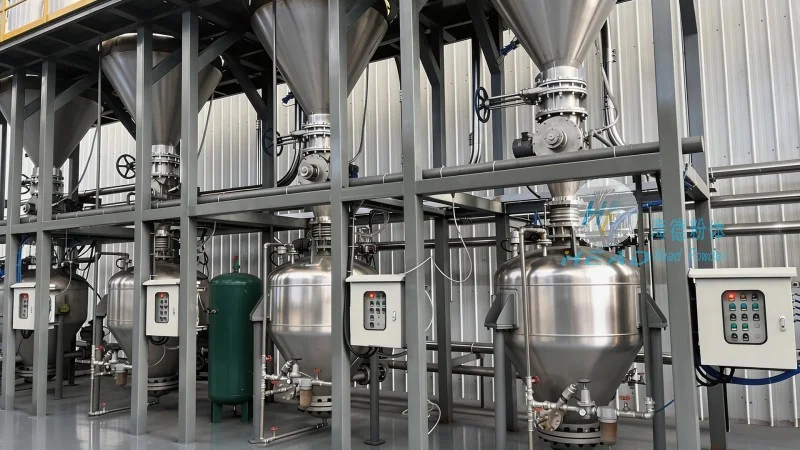
Pneumatic conveying, also known as powder handling via air, is a method used to transport bulk materials like steel and lime powders through a pipeline using compressed air or suction. The process involves several key components, including a material feeder, conveying pipeline, and a separation or collection system. These elements work in tandem to ensure the safe and efficient movement of the powder from the source to the destination.
Working Principle of Steel and Lime Powder Pneumatic Conveying
The core working principle of this system revolves around the use of air pressure to move the powder. In a typical positive pressure system, compressed air is introduced into the material feeder, which then forces the powder into the pipeline. The air and powder mixture travels through the pipeline to the destination, where a separator or cyclone separates the powder from the air. The air is then filtered and discharged, while the powder is collected for further use. Conversely, a negative pressure system uses suction to draw the powder from the source into the pipeline, with the air being drawn out through the system.
For steel and lime powders, the choice of system depends on factors such as the material's properties, the distance to be conveyed, and the required flow rate. The material feeder, often a rotary valve or a venturi feeder, is critical in controlling the flow rate and ensuring consistent material introduction into the pipeline. The conveying pipeline is typically made of materials like stainless steel or plastic to prevent corrosion and ensure durability, especially when handling corrosive or abrasive powders like lime.
Key Characteristics of Steel and Lime Powder Pneumatic Conveying
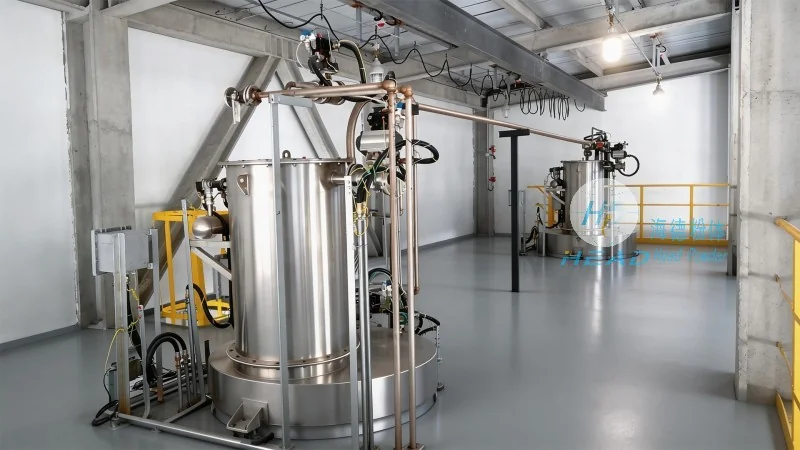
Several distinct characteristics define the performance of pneumatic conveying systems for steel and lime powders. Firstly, the system offers high efficiency in material transport, as it can move large quantities of powder over significant distances with minimal manual intervention. This is particularly advantageous in industrial settings where continuous operation is required.
Secondly, pneumatic conveying provides a clean and dust-free environment compared to traditional methods like bucket elevators or belt conveyors. The enclosed pipeline prevents dust from escaping into the workplace, reducing health risks and improving air quality. This is especially important when handling lime, which can be a respiratory irritant if not properly contained.
Thirdly, the system is highly flexible and can be adapted to various industrial applications. It can handle different powder types, including those with varying particle sizes and moisture content. The ability to adjust the air pressure and flow rate allows for customization to meet specific operational needs, such as varying production rates or material characteristics.
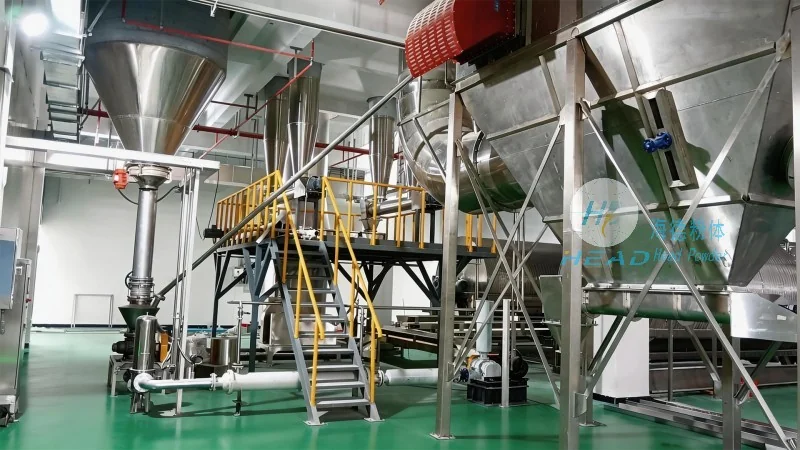
Another notable characteristic is the system's ability to integrate with other processing equipment. The powder can be directly delivered to storage silos, reactors, or other processing units without the need for intermediate handling steps, streamlining the overall production process. This integration enhances operational efficiency and reduces downtime.
Applications and Benefits in Industrial Settings
The advantages of pneumatic conveying for steel and lime powders make it a preferred choice in various industries. In the steel industry, it is used to transport raw materials like limestone and iron ore to furnaces, ensuring a steady supply of feedstock. In the lime industry, it is employed to move lime powder from storage to processing units, facilitating the production of quicklime and slaked lime.
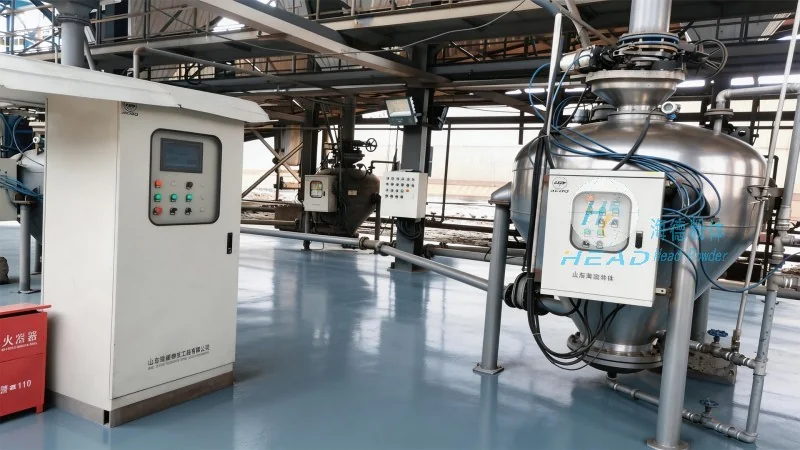
One of the primary benefits is the reduction in labor costs and operational complexity. By automating the material handling process, companies can minimize the need for manual labor, which in turn reduces the risk of accidents and improves workplace safety. Additionally, the enclosed system reduces maintenance requirements compared to open systems, as there is less exposure to dust and moisture.
Furthermore, the system's ability to handle abrasive materials like steel and lime powders without significant wear and tear on the equipment is a significant advantage. High-quality materials, such as stainless steel or specialized plastics, are used in the construction of the pipeline and components to ensure long-term durability and reliability.
Conclusion
In conclusion, the working principle and characteristics of steel and lime powder pneumatic conveying offer a highly efficient and versatile solution for material handling in industrial applications. The technology's ability to transport powders over long distances, maintain a clean environment, and integrate with other processing equipment makes it an essential component in modern manufacturing processes. As industries continue to seek more efficient and sustainable solutions, pneumatic conveying remains a reliable and effective choice for handling steel and lime powders.




