HeadPowder, a leading engineering company based in Shandong, China, specializes in the design and implementation of pneumatic conveying systems tailored for lightweight micropowder materials. This article delves into the fundamental working principles and key characteristics of such systems, providing a comprehensive overview for industry professionals and potential clients.
Understanding Pneumatic Conveying Systems
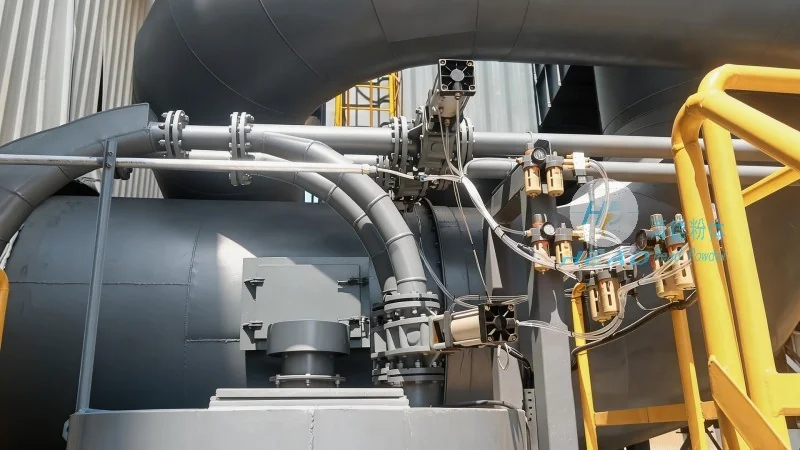
Pneumatic conveying is a method of transporting bulk materials, including fine powders and granules, using a gas stream, typically air or a mixture of air and other gases. For lightweight micropowder materials, which often present unique challenges due to their low density and tendency to settle or agglomerate, specialized systems are required to ensure efficient and reliable transport. The core principle involves creating a pressure differential or utilizing vacuum to move the material through a pipeline network.
The Working Principle
The operation of a pneumatic conveying system for lightweight micropowders typically involves several key steps. First, the material is fed into a hopper or feeder, where it is metered and introduced into the conveying line. Next, a fan or blower generates the necessary airflow, which is directed through the pipeline. The gas stream, moving at high velocity, entrains the micropowder particles, lifting them from the feeder and transporting them to the destination point, such as a silo, storage tank, or processing unit. The system may operate under positive pressure (pressure conveying) or negative pressure (vacuum conveying), depending on the application and material properties. In pressure conveying, the system is pressurized to push the material through the line, while vacuum conveying uses a vacuum to pull the material from the source. For lightweight micropowders, positive pressure systems are often preferred as they can handle higher material loads and provide better control over the conveying process.
Key Characteristics of Pneumatic Conveying for Lightweight Micropowders
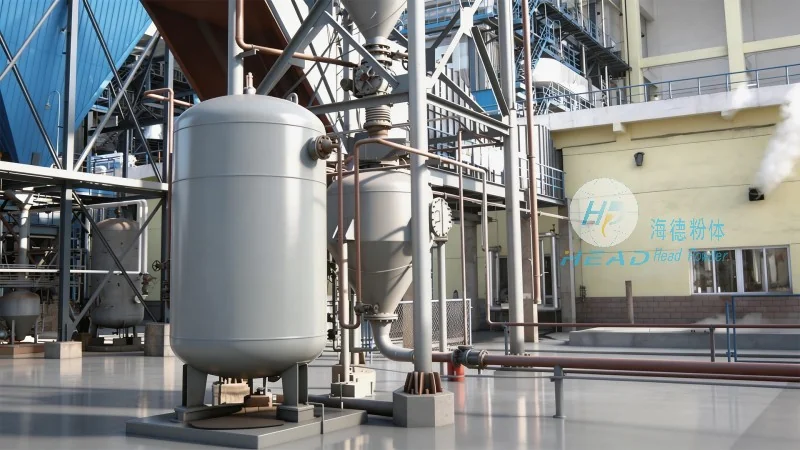
Several distinct characteristics define the performance and suitability of pneumatic conveying systems for lightweight micropowder materials. First, the system's ability to handle low-density materials is critical. Lightweight powders, such as talc, calcium carbonate, or silica, require a higher air-to-material ratio compared to denser materials, as the gas stream must provide sufficient lift and transport force. This characteristic influences the design of the conveying line, including pipe diameter, velocity, and the number of bends, to ensure that the material remains suspended and does not settle or clog the system.
Second, the system's efficiency in handling fine particles is a key characteristic. Micropowders often have a wide range of particle sizes, and the conveying system must be designed to prevent particle segregation or agglomeration. This involves maintaining consistent airflow and velocity throughout the pipeline, as well as incorporating features like cyclones or filters to separate any entrained dust or fines. The system's ability to maintain a uniform material flow and prevent blockages is essential for continuous operation.
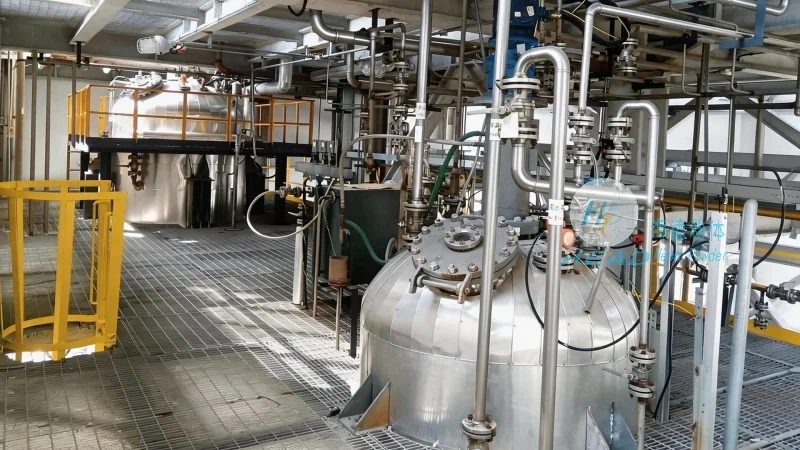
Third, the system's energy efficiency is an important characteristic, especially for large-scale applications. Lightweight micropowder conveying systems require significant airflow, and optimizing the system design to minimize energy consumption is crucial. This includes selecting appropriate fan or blower sizes, using efficient pipeline designs, and implementing control systems that adjust airflow based on material feed rates. Energy efficiency not only reduces operational costs but also aligns with sustainability goals in industrial processes.
Applications and Benefits
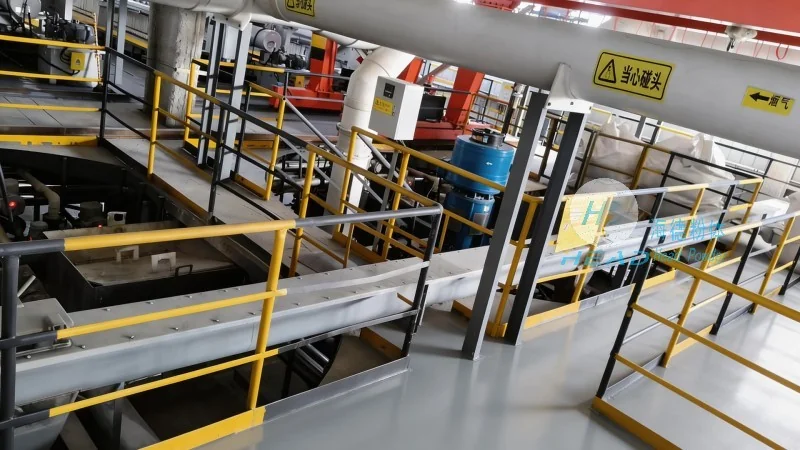
Pneumatic conveying systems for lightweight micropowders are widely used in various industries, including pharmaceuticals, food processing, chemicals, and mining. The benefits of these systems include improved process control, reduced labor costs, and enhanced safety compared to traditional methods like manual handling or mechanical conveyors. The ability to transport materials in a closed system also minimizes dust emissions and contamination, which is critical in industries where product purity is paramount. Additionally, the flexibility of pneumatic conveying allows for easy integration with existing production lines and the ability to transport materials over long distances without the need for multiple transfer points.
Conclusion
In conclusion, pneumatic conveying systems for lightweight micropowder materials are sophisticated engineering solutions that leverage the principles of fluid dynamics to efficiently transport low-density materials. The working principle involves using a gas stream to entrain and transport particles through a pipeline, while key characteristics such as material handling capacity, efficiency, and energy consumption define the system's performance. As a leading provider in the field, Shandong HeadPowder Engineering Co., Ltd. specializes in designing and implementing customized pneumatic conveying solutions that meet the specific needs of clients, ensuring reliable and efficient material transport for a wide range of applications.




