Monocrystalline silicon is a critical material in the photovoltaic industry, and its efficient handling is essential for production processes. Pneumatic conveying systems offer a reliable method for transporting these materials, ensuring safety, efficiency, and minimal contamination. This article explores the working principle and key characteristics of pneumatic conveying for monocrystalline silicon materials, highlighting the technology's application in industrial settings.
Understanding Pneumatic Conveying Systems
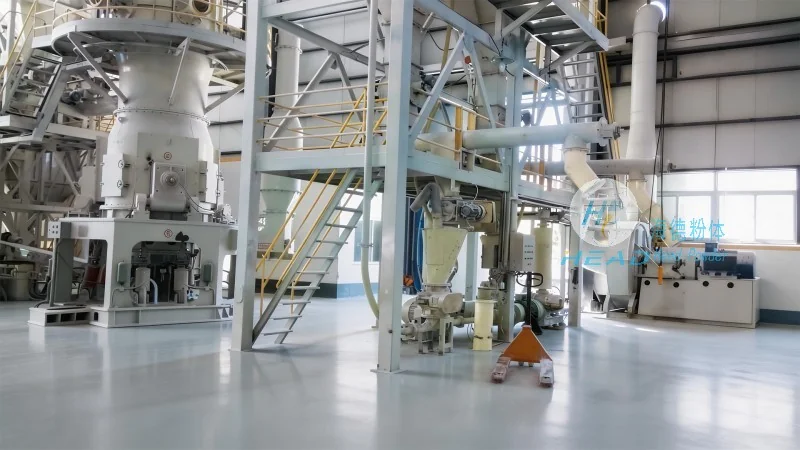
Pneumatic conveying involves the use of air or other gases to transport bulk materials through a pipeline. In the context of monocrystalline silicon, this technology is particularly valuable due to the material's sensitivity to contamination and its need for precise handling. The system typically consists of a hopper, a conveyor line, and a receiver, all connected by a network of pipes. The process begins with the material being loaded into the hopper, where it is then drawn into the conveyor line by a vacuum or pressure source. As the material moves through the pipeline, it is suspended in the air stream, allowing for smooth and continuous transport to the desired destination.
Working Principle of Monocrystalline Silicon Pneumatic Conveying
The working principle of pneumatic conveying for monocrystalline silicon materials is based on the interaction between the material particles and the air flow. The system operates by creating a pressure differential or vacuum to move the material. There are two main types of pneumatic conveying: pressure and vacuum systems. Pressure systems use compressed air to push the material through the pipeline, while vacuum systems use a vacuum to pull the material. For monocrystalline silicon, vacuum systems are often preferred as they minimize the risk of particle breakage and contamination. The system's design, including the pipe diameter, air velocity, and material feed rate, is carefully optimized to ensure efficient and safe transport. The air flow is maintained at a velocity that is sufficient to keep the material suspended but not so high as to cause excessive wear on the system components. This balance is crucial for maintaining the integrity of the monocrystalline silicon particles and preventing damage during transport.
Key Characteristics of Pneumatic Conveying for Monocrystalline Silicon
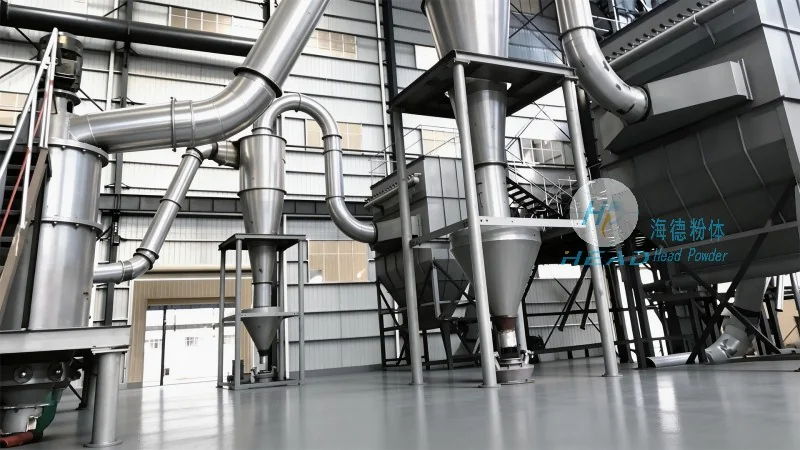
Several key characteristics define the effectiveness of pneumatic conveying systems for monocrystalline silicon materials. First, the system provides a closed-loop transport process, which helps to prevent contamination from external sources and maintains the purity of the material. This is particularly important for monocrystalline silicon, which is used in high-purity applications such as solar cells. Second, pneumatic conveying offers high efficiency in terms of material throughput, allowing for large volumes of material to be transported over long distances with minimal labor. The technology also reduces the risk of material spillage and dust exposure, enhancing workplace safety. Additionally, the system is flexible and can be adapted to various production layouts, making it suitable for different manufacturing environments. The ability to integrate with existing production lines and expand as needed further enhances its practicality. Another important characteristic is the low maintenance requirements of pneumatic conveying systems. Compared to other material handling methods, such as belt conveyors or elevators, pneumatic systems have fewer moving parts and are less prone to mechanical failure. This results in lower operational costs and increased reliability over time.
Applications and Benefits in Industrial Settings
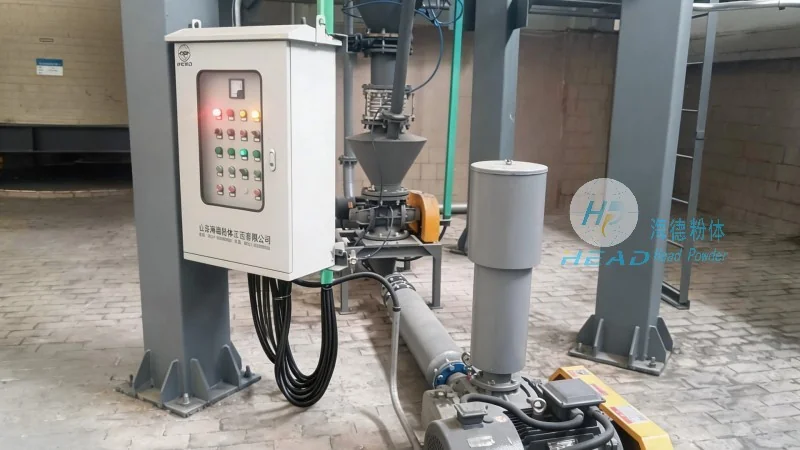
Pneumatic conveying systems for monocrystalline silicon are widely used in the solar panel manufacturing industry. They are employed in various stages of production, including the transport of raw silicon ingots, the movement of silicon wafers, and the handling of finished solar cells. The benefits of using pneumatic conveying in these applications are significant. For example, in the production of monocrystalline silicon solar cells, the system ensures that the material is handled with minimal contact, reducing the risk of surface damage. This is critical for maintaining the high efficiency of the solar cells. Additionally, the closed-loop system helps to control the environment within the production facility, preventing dust and particles from affecting other equipment or processes. The efficiency of pneumatic conveying also contributes to reduced production times, as materials can be moved quickly and reliably between different stages of manufacturing. This, in turn, improves overall productivity and reduces costs for the company.
Conclusion
Pneumatic conveying is a vital technology for the efficient and safe handling of monocrystalline silicon materials. Its working principle, based on air flow and pressure differentials, allows for the reliable transport of these sensitive materials while maintaining their purity and integrity. The key characteristics of this system, including its closed-loop design, high efficiency, and low maintenance, make it an ideal choice for industrial applications. As the demand for monocrystalline silicon in the solar industry continues to grow, the importance of effective material handling systems like pneumatic conveying will only increase. Companies such as Shandong HeadPowder Engineering Co., Ltd., based in China, are at the forefront of developing and implementing these technologies to meet the evolving needs of the industry. By leveraging pneumatic conveying systems, manufacturers can enhance their production processes, improve product quality, and ensure compliance with industry standards.




