HeadPowder, a leading manufacturer based in Shandong, China, specializes in the design and production of pneumatic conveying systems tailored for coking coal material transport. This article delves into the fundamental working principle and key characteristics of such equipment, providing a comprehensive overview for industry professionals and potential clients.
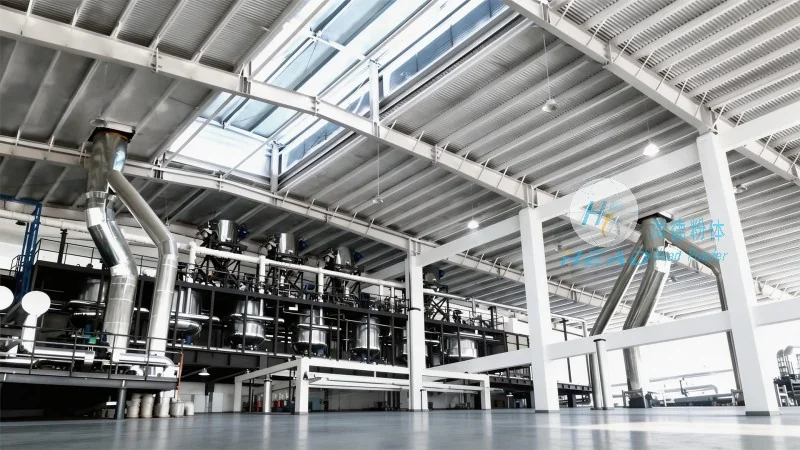
The pneumatic conveying system for coking coal operates on the principle of transporting bulk materials through a pipeline using a gas stream, typically air or other gases. The process involves several critical components, including a material feed hopper, a conveyor pipeline, a pressure or vacuum source, and a discharge mechanism. The material is first loaded into the feed hopper, where it is then introduced into the pipeline under the influence of the gas flow. The gas stream, often generated by a blower or fan, creates a pressure differential that propels the coking coal particles through the system. This method allows for efficient, continuous, and dust-free transport of coking coal from the source to the destination, minimizing the need for manual handling and reducing operational risks.
Key components of the coking coal pneumatic conveying system include the material feeder, which ensures a consistent flow of coking coal into the pipeline; the conveying pipeline, which is typically made of corrosion-resistant materials like stainless steel or coated steel to withstand the abrasive nature of coking coal; the air compressor or vacuum pump, which provides the necessary pressure or suction to move the material; and the separation and discharge unit, which collects the coking coal at the end of the pipeline and returns the air to the system or releases it safely. Each component plays a vital role in ensuring the smooth and efficient operation of the entire system.
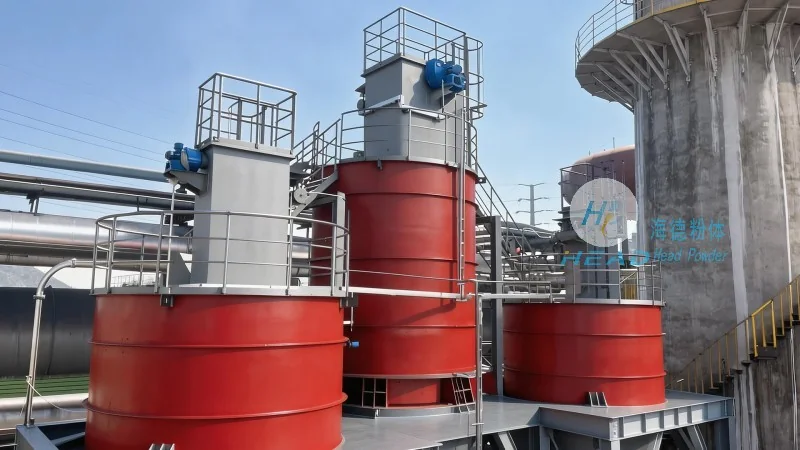
One of the primary advantages of using pneumatic conveying for coking coal is its ability to handle high volumes of material with minimal labor. Unlike traditional belt or bucket elevators, pneumatic systems can transport coking coal over long distances without the need for intermediate storage or transfer points. This not only improves operational efficiency but also reduces the risk of material degradation or contamination. Additionally, the enclosed pipeline design prevents dust emissions, making it a more environmentally friendly option compared to open-air transport methods.
Another significant feature is the system's adaptability to varying material conditions. Coking coal can vary in size, moisture content, and density, and the pneumatic conveying system is designed to accommodate these variations. The adjustable pressure and flow rates allow operators to optimize the transport process for different coking coal types, ensuring consistent performance and minimizing downtime. This flexibility is particularly valuable in industrial settings where material characteristics may change over time or where different types of coking coal need to be processed.
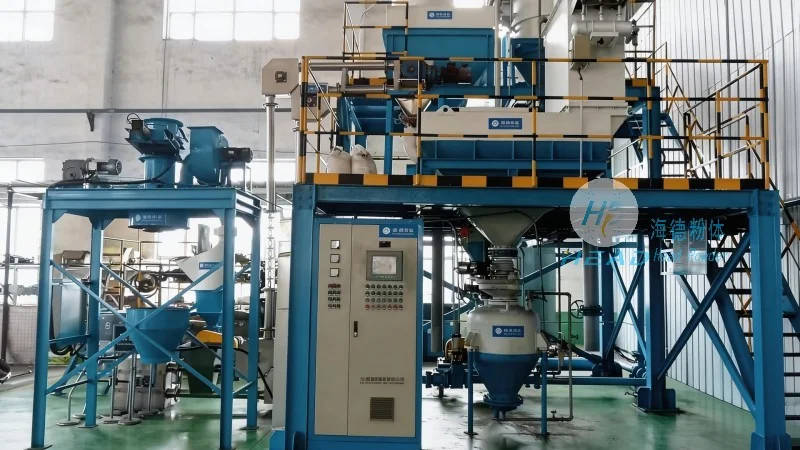
The efficiency of the coking coal pneumatic conveying system is further enhanced by its ability to integrate with other industrial processes. For example, the system can be connected to a storage silo or a processing unit, allowing for seamless material transfer from the conveyor to the next stage of production. This integration reduces the need for manual handling and improves overall production throughput. Moreover, the system's low maintenance requirements contribute to its long-term cost-effectiveness, as fewer components are exposed to wear and tear compared to traditional mechanical conveyors.
In conclusion, the pneumatic conveying equipment for coking coal material offers a reliable and efficient solution for bulk material transport. With its ability to handle high volumes, minimize dust emissions, and adapt to varying material conditions, it is an ideal choice for industrial applications. HeadPowder, with its expertise in engineering and manufacturing, provides high-quality pneumatic conveying systems that meet the specific needs of coking coal handling operations. By leveraging this technology, industries can enhance their operational efficiency, reduce costs, and improve overall productivity.




