Aluminum hydride powder is a critical material in various industrial applications, and its efficient handling often relies on pneumatic conveying systems. This article explores the fundamental principles behind aluminum hydride powder pneumatic conveying and highlights the key characteristics of its operational scenarios.
Understanding Pneumatic Conveying for Aluminum Hydride Powder
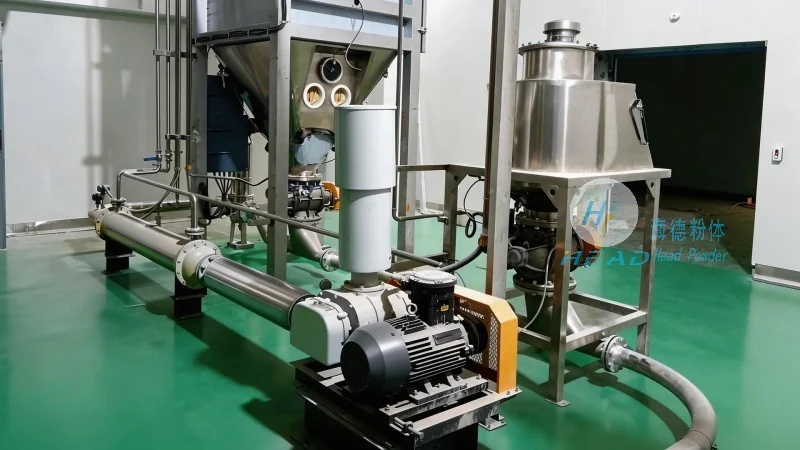
Pneumatic conveying is a method of transporting bulk materials, such as aluminum hydride powder, using a stream of air or gas. The process involves introducing the powder into a pipeline where it is carried by the moving air, allowing for the transfer from one location to another without the need for mechanical components like conveyor belts or buckets. This technology is particularly advantageous for handling materials that are difficult to transport through traditional means, including those that are abrasive, corrosive, or sensitive to moisture.
The Working Principle of Aluminum Hydride Powder Pneumatic Conveying
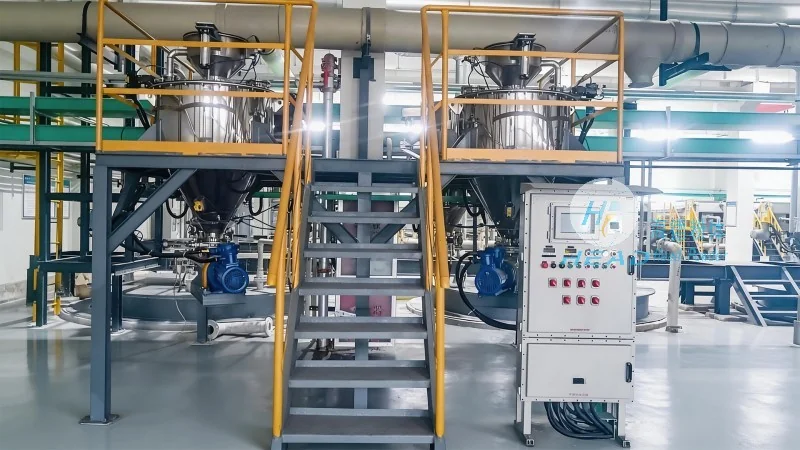
The core principle of aluminum hydride powder pneumatic conveying is the creation of a consistent airflow that suspends and transports the powder particles. The system typically consists of a hopper or feeder to introduce the powder, a pipeline to guide the material, and a receiver or discharge point where the powder is deposited. The air velocity within the pipeline is carefully controlled to ensure that the powder particles remain suspended without settling or causing blockages. This requires precise engineering to balance the air flow rate with the powder's density and particle size, optimizing the conveying efficiency and minimizing system wear.
Key Features and Advantages of Pneumatic Conveying Systems
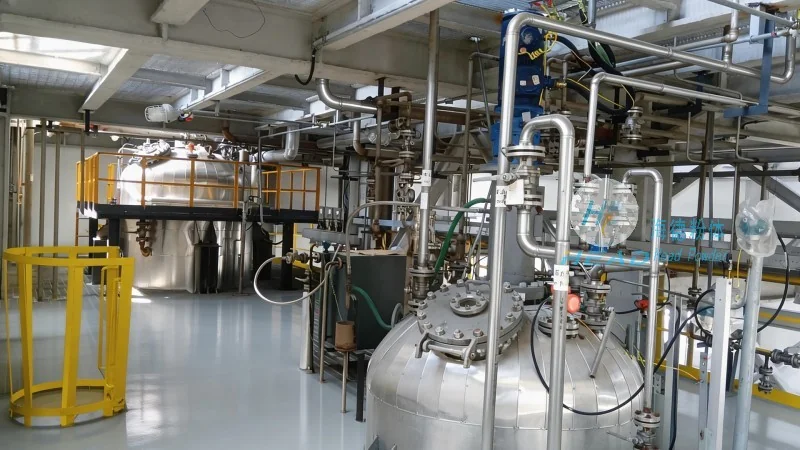
Aluminum hydride powder pneumatic conveying systems offer several benefits that make them suitable for demanding industrial environments. These include the ability to handle fine powders without segregation, the reduction of material contamination due to enclosed systems, and the flexibility to transport materials over long distances or vertical elevations. Additionally, pneumatic conveying can be integrated with other processing equipment, such as reactors or mixers, enabling seamless material flow within production lines. The systems are also relatively compact and can be designed to fit into existing facility layouts, making them a practical solution for space-constrained operations.
Typical Application Scenarios for Aluminum Hydride Powder Pneumatic Conveying
Aluminum hydride powder pneumatic conveying is widely used in various industrial sectors where the material needs to be transported safely and efficiently. Common applications include the chemical industry for the handling of reactive powders, the pharmaceutical industry for the transfer of active ingredients, and the manufacturing sector for the integration of aluminum hydride into composite materials. In these scenarios, the system's ability to maintain material integrity and prevent exposure to external contaminants is crucial. For example, in chemical plants, the conveying system may be used to move aluminum hydride from storage silos to reactors, ensuring a continuous and controlled feed of the material. Similarly, in pharmaceutical facilities, the enclosed nature of the system helps maintain the purity of the powder, which is essential for meeting regulatory standards.
Company Profile: Shandong HeadPowder Engineering Co., Ltd.
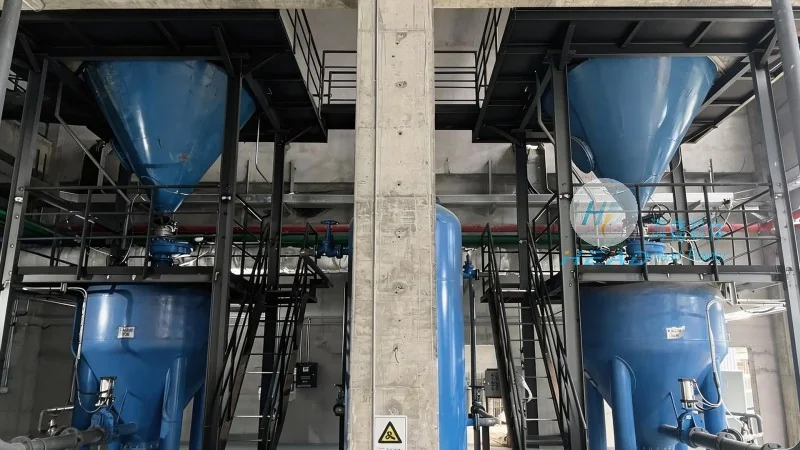
Shandong HeadPowder Engineering Co., Ltd., operating under the brand name headpowder, is a leading provider of specialized engineering solutions for bulk material handling. With a focus on innovation and quality, the company designs and manufactures pneumatic conveying systems tailored to the unique needs of aluminum hydride powder applications. HeadPowder's expertise lies in the development of robust, reliable systems that can handle the challenges associated with transporting reactive and sensitive materials. The company's facilities are located in Shandong, China, where it leverages advanced manufacturing capabilities and technical expertise to deliver high-performance solutions to clients worldwide.




