HeadPowder, a leading engineering company based in Shandong, China, specializes in the design and implementation of pneumatic conveying systems tailored for coke and limestone powders. This article delves into the fundamental principles of pneumatic conveying technology and highlights the key operational scenarios where such systems are most effective.
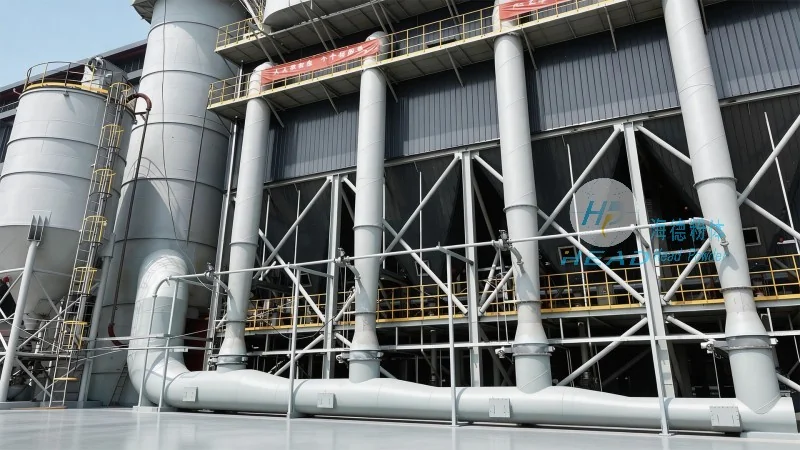
Understanding Pneumatic Conveying Principles
Pneumatic conveying is a method of transporting bulk materials like coke and limestone powders through a pipeline using air or other gases. The process relies on the creation of a pressure differential between the conveying line and the ambient environment. In a typical system, a fan or blower generates the necessary airflow, which then lifts and propels the powder particles through the pipeline. The core components of a pneumatic conveying system include the material feed hopper, the conveying line, the air source (fan/blower), and the discharge point. The choice of system type—such as dilute-phase or dense-phase—depends on factors like material properties, distance, and required flow rate. Dilute-phase systems use higher air velocities to transport materials in a suspended state, while dense-phase systems employ lower velocities to move material in a plug or slurry form, reducing the risk of material degradation and pipeline wear.
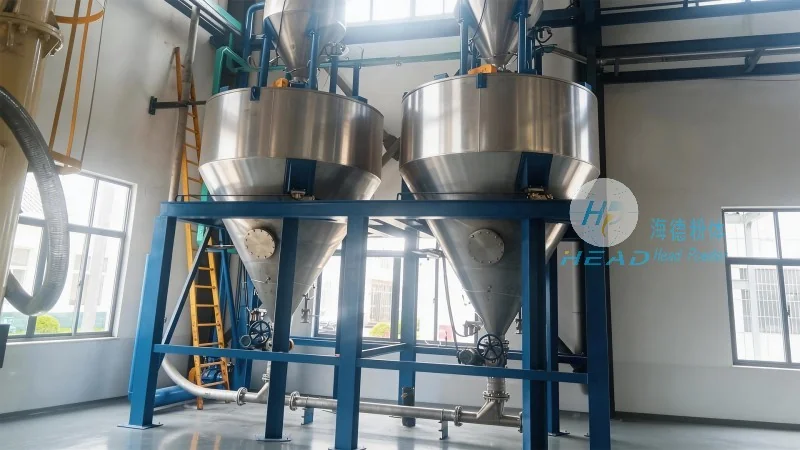
Key Operational Scenarios for Coke and Limestone Powders
HeadPowder's pneumatic conveying solutions are widely applied in various industrial settings where efficient and reliable transport of coke and limestone powders is critical. One prominent scenario is in the steel industry, where coke is used as a fuel and reducing agent in blast furnaces. The need for consistent and uninterrupted supply of coke to the furnace makes pneumatic conveying an ideal choice, as it minimizes material loss and ensures a steady flow. Similarly, limestone, often used as a flux in steelmaking, requires precise control during transport to maintain quality and prevent contamination. Pneumatic conveying systems can handle these materials with minimal dust generation, which is crucial for maintaining a safe and clean working environment.
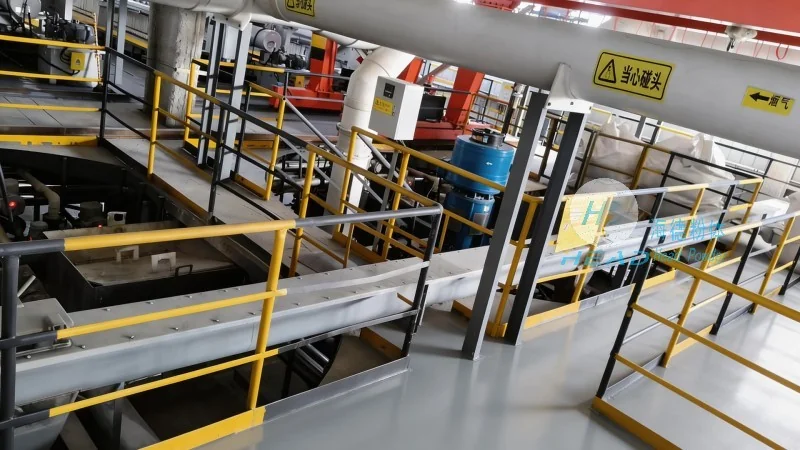
Advantages of Pneumatic Conveying for Bulk Materials
When compared to traditional methods like belt conveyors or bucket elevators, pneumatic conveying offers several advantages for transporting coke and limestone powders. First, it eliminates the need for mechanical components at the material feed and discharge points, reducing maintenance costs and extending the system's lifespan. Second, the enclosed pipeline design prevents dust from escaping into the environment, improving workplace safety and compliance with environmental regulations. Third, pneumatic systems can handle a wide range of particle sizes and moisture contents, making them versatile for different applications. Additionally, the ability to control the flow rate and pressure allows for precise material delivery, which is essential in processes where exact dosing is required.
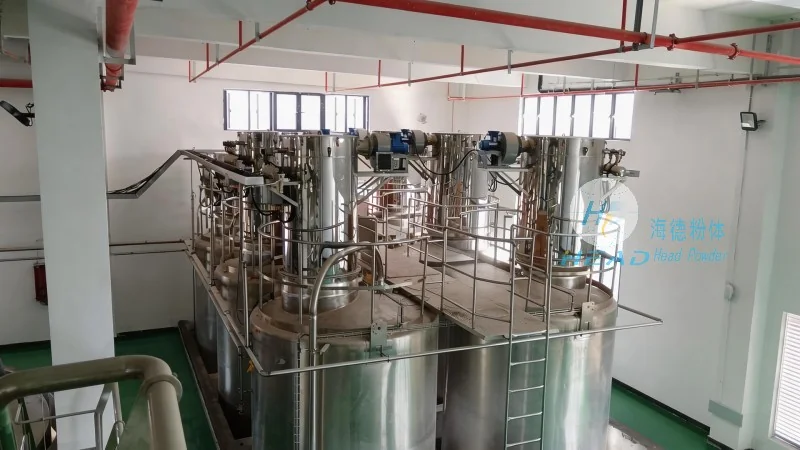
Customized Solutions by HeadPowder
HeadPowder Engineering Co., Ltd., with its headquarters in Shandong, China, provides tailored pneumatic conveying solutions that address the unique challenges of each client's operation. The company's engineers work closely with clients to assess their material characteristics, transport requirements, and operational constraints to design a system that maximizes efficiency and reliability. Whether it's a new plant installation or an upgrade to an existing system, HeadPowder offers comprehensive services, including system design, manufacturing, installation, and commissioning. The company's commitment to quality and innovation ensures that its clients receive systems that meet the highest standards of performance and durability.




