PFA (perfluoroalkoxy) is a high-performance fluoropolymer known for its excellent chemical resistance, thermal stability, and mechanical properties. Pneumatic conveying is a method used to transport PFA powders and granules through a pipeline using compressed air. This technology offers a dust-free, efficient, and flexible solution for handling PFA materials in various industrial applications. The principles of PFA pneumatic conveying involve understanding the flow dynamics of the material and air within the system, ensuring optimal performance and material integrity.
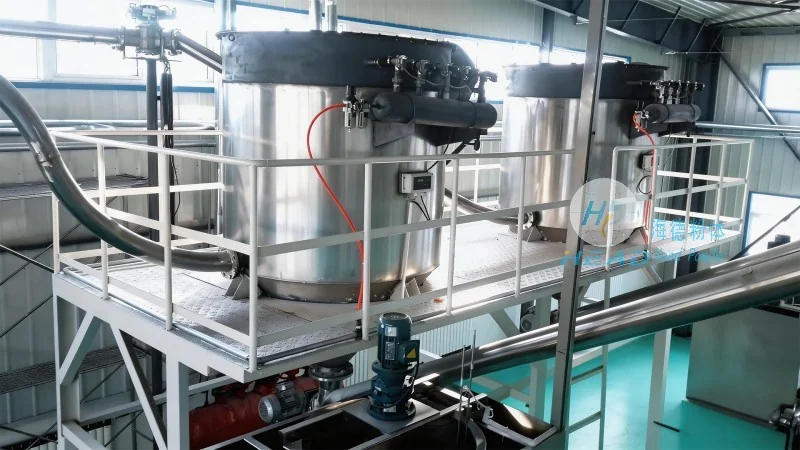
Core Principles of Pneumatic Conveying for PFA
The fundamental principle of PFA pneumatic conveying is the use of air as a conveying medium to move PFA particles from a source to a destination. The system typically consists of a hopper, a rotary valve, a conveying line, and a receiver. The process begins when PFA material is fed into the hopper, and a rotary valve controls the flow rate. Compressed air is then introduced into the conveying line, creating a pressure differential that propels the PFA particles forward. The velocity and pressure of the air are critical factors that determine the efficiency and effectiveness of the conveying process. Proper design of the conveying line, including the diameter and length, is essential to minimize pressure drop and ensure smooth material transport.
Key Components and Their Functions in PFA Pneumatic Conveying
Several key components are integral to a PFA pneumatic conveying system. The hopper serves as the storage and feeding unit, where PFA material is held before being transferred. The rotary valve, often a star valve or rotary airlock, regulates the material flow from the hopper into the conveying line, preventing backflow and maintaining consistent feed rates. The conveying line, usually made of materials compatible with PFA, such as stainless steel or PFA-coated pipes, ensures the material is transported without contamination or degradation. The receiver, where the PFA material is deposited, is designed to collect the material efficiently and may include a dust collection system to maintain a clean environment. Each component plays a crucial role in the overall performance of the system, and their proper selection and maintenance are vital for reliable operation.
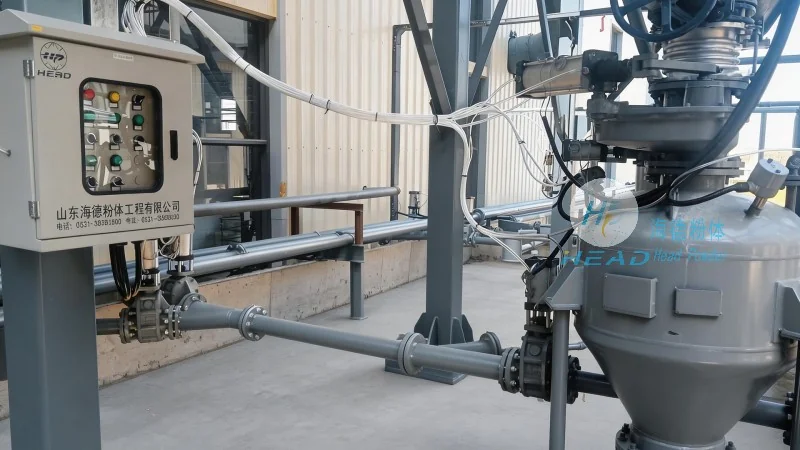
Application Scenarios and Industry Use Cases
PFA pneumatic conveying is widely used in industries where PFA materials are processed and handled. In the chemical industry, PFA is used for manufacturing high-performance plastics, and pneumatic conveying systems are employed to transport PFA powders from production lines to storage or processing units. The electronics industry, particularly in the production of semiconductors and electronic components, utilizes PFA for its dielectric properties and chemical resistance. Pneumatic conveying helps in moving PFA powders to coating or molding processes, ensuring precision and consistency. Additionally, in the pharmaceutical and food processing sectors, PFA is used for its inertness and non-stick properties, and the conveying system must maintain strict hygiene standards. The flexibility of pneumatic conveying allows it to adapt to various production environments, from small-scale laboratory settings to large-scale industrial facilities.
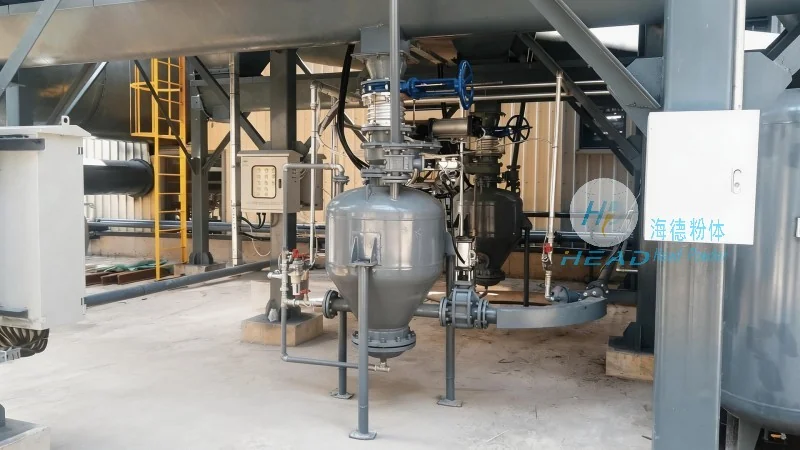
Advantages of PFA Pneumatic Conveying in Industrial Settings
Compared to traditional bulk material handling methods like belt conveyors or bucket elevators, PFA pneumatic conveying offers several advantages. One of the primary benefits is the elimination of dust and contamination, which is crucial for handling PFA materials that are sensitive to moisture and chemicals. The system is also more flexible, allowing for changes in material flow direction and destination without major structural modifications. Pneumatic conveying systems are generally more compact and can be installed in confined spaces, making them suitable for facilities with limited floor space. Furthermore, the process is energy-efficient, as compressed air can be recycled and reused, reducing operational costs. The ability to handle PFA materials in a closed system also minimizes environmental impact and ensures compliance with safety regulations.
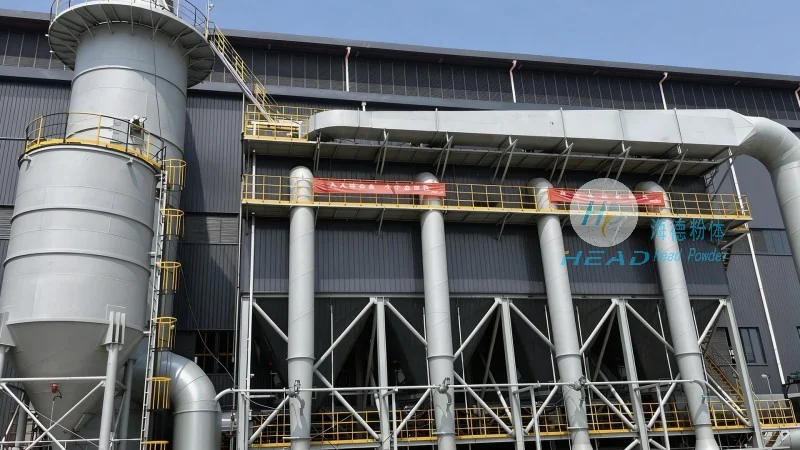
Challenges and Solutions in PFA Pneumatic Conveying
Despite its advantages, PFA pneumatic conveying faces certain challenges that need to be addressed. One common issue is the high pressure drop in long conveying lines, which can reduce the conveying capacity and increase energy consumption. To mitigate this, engineers may use larger diameter pipes or install booster units to maintain the pressure. Another challenge is the potential for material segregation or agglomeration, especially for fine PFA powders. Proper design of the hopper and feeding system, along with the use of air classifiers or deagglomeration devices, can help maintain material uniformity. Additionally, the cost of compressed air and the need for regular maintenance of components like rotary valves and filters can be significant. Companies like Shandong HeadPowder Engineering Co., Ltd., based in China, specialize in designing and manufacturing customized PFA pneumatic conveying systems to address these challenges and meet the specific needs of their clients.
Customization and Integration for Specific Industrial Needs
Shandong HeadPowder Engineering Co., Ltd. provides tailored PFA pneumatic conveying solutions that cater to the unique requirements of different industries. The company, with its headquarters in China, leverages years of experience in material handling and engineering to design systems that optimize performance and efficiency. Customization options include adjusting the conveying line diameter, selecting appropriate air pressure and flow rates, and integrating additional features such as dust collection or material drying units. The company works closely with clients to understand their production processes and material characteristics, ensuring that the final system meets all operational and safety standards. By offering comprehensive solutions, Shandong HeadPowder Engineering Co., Ltd. helps industries improve their material handling processes, reduce downtime, and enhance overall productivity.




