HeadPowder, a leading provider in the field of material handling solutions, specializes in the development and application of pneumatic conveying systems tailored for lithium-ion battery anode materials. This article delves into the fundamental principles behind pneumatic conveying technology and highlights the key characteristics of its working scenes, offering insights into how this method efficiently handles anode materials in industrial settings.
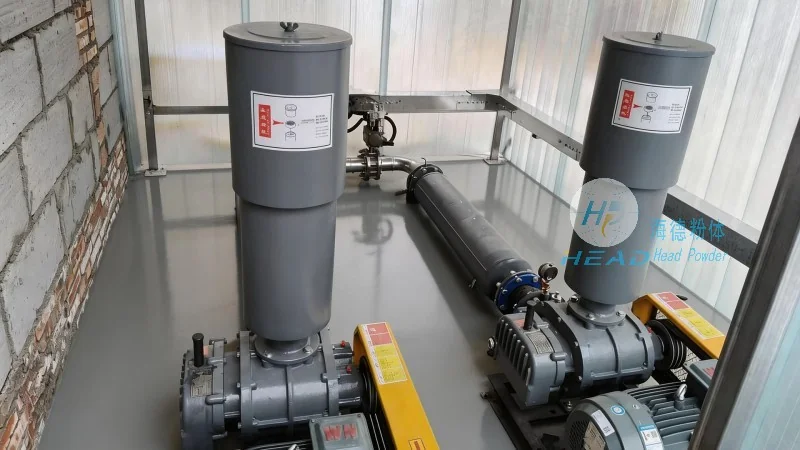
Pneumatic conveying, also known as air conveying, is a process that uses pressurized or vacuum air to transport bulk materials through a pipeline system. In the context of lithium-ion battery anode materials, which typically include graphite, silicon, and other carbon-based compounds, this technology offers a non-contact, dust-free, and highly efficient method for material transport. The core principle involves creating a flow of air within a pipe, where the material is suspended and carried along by the air stream. This method eliminates the need for mechanical components like belts or buckets, reducing wear and maintenance costs while ensuring a clean and controlled handling environment.
The working scene characteristics of pneumatic conveying for anode materials are shaped by several factors, including material properties, process requirements, and environmental considerations. For instance, the particle size and density of anode materials significantly influence the choice of conveying system. Fine particles, such as those in graphite powders, may require higher air velocities to maintain suspension, while larger or denser particles like silicon carbide can be conveyed using lower air pressures. Additionally, the need for dust control and environmental compliance in battery manufacturing facilities makes pneumatic conveying an attractive option, as it minimizes particulate emissions compared to traditional mechanical conveying methods.
HeadPowder's expertise lies in designing customized pneumatic conveying solutions that address the unique challenges of handling lithium-ion battery anode materials. The company, based in Shandong, China, leverages advanced engineering and material science knowledge to develop systems that optimize material flow, reduce energy consumption, and enhance overall process efficiency. By integrating features such as in-line filters, pressure regulators, and material separation units, their systems ensure consistent performance and minimal downtime, which are critical for maintaining production throughput in battery manufacturing plants.
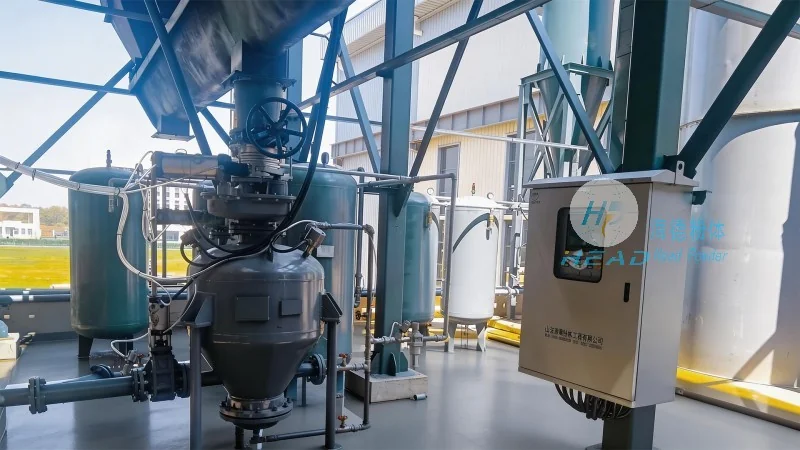
One of the key advantages of pneumatic conveying in anode material handling is its ability to handle materials in a closed system, preventing contamination and cross-contamination between different batches. This is particularly important in the production of high-purity anode materials, where even trace impurities can impact battery performance and lifespan. The closed-loop design of pneumatic conveying systems also contributes to better safety, as it eliminates the risk of dust explosions or exposure to hazardous powders, aligning with stringent safety regulations in the battery industry.
In practical working scenes, pneumatic conveying systems are commonly used in stages such as material feeding, blending, and transport from storage silos to processing lines. For example, in a battery cell manufacturing facility, anode materials are often stored in bulk containers and then conveyed pneumatically to a mixing station where they are combined with other components like binders and conductive agents. The system's ability to handle large volumes of material quickly and reliably ensures that production lines can operate at optimal speeds without interruptions. Furthermore, the flexibility of pneumatic conveying allows for easy integration with existing production lines, minimizing the need for major infrastructure changes.
Another important aspect of the working scene is the control and monitoring of the conveying process. Modern pneumatic conveying systems incorporate advanced sensors and control panels that allow operators to adjust air pressure, flow rates, and material feed rates in real-time. This dynamic control helps maintain consistent material quality and prevents issues such as blockages or uneven flow, which could lead to production delays. HeadPowder's systems are equipped with these advanced control features, enabling precise management of the conveying process and ensuring that anode materials are delivered to the next stage of production in optimal condition.
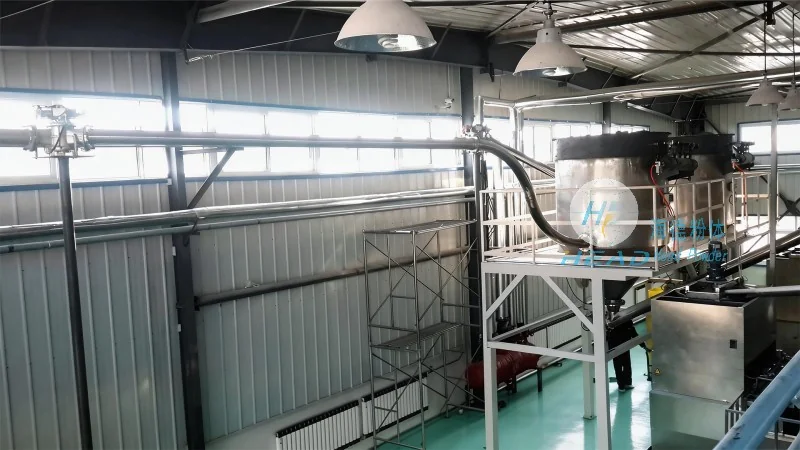
When evaluating the suitability of pneumatic conveying for anode material handling, several factors must be considered. The first is the material's physical properties, including particle size distribution, moisture content, and abrasiveness. These characteristics determine the appropriate air velocity and pressure required for effective conveying. The second factor is the system's capacity and scalability, as battery manufacturers often need to handle increasing volumes of anode materials as production scales up. HeadPowder's solutions are designed to be scalable, allowing for easy expansion as production needs grow. The third factor is the environmental and safety requirements, which are increasingly stringent in the battery industry. Pneumatic conveying systems, with their enclosed design and filtration capabilities, meet these requirements effectively, providing a safe and compliant handling solution.
HeadPowder's commitment to innovation and customer satisfaction is evident in their approach to pneumatic conveying for lithium-ion battery anode materials. By combining technical expertise with a deep understanding of the battery manufacturing process, the company provides tailored solutions that address the specific needs of each client. Whether it's a small-scale pilot plant or a large-scale production facility, HeadPowder's systems are designed to deliver reliable, efficient, and cost-effective material handling. The company's presence in Shandong, China, positions it as a key player in the regional battery material handling market, serving a wide range of clients from research and development to full-scale production.
In conclusion, pneumatic conveying is a highly effective method for handling lithium-ion battery anode materials, offering advantages in efficiency, cleanliness, and safety. The working scene characteristics of these systems are influenced by material properties, process requirements, and environmental regulations, all of which are carefully considered in the design and implementation of HeadPowder's solutions. By leveraging advanced technology and engineering, HeadPowder ensures that its pneumatic conveying systems meet the demanding needs of the battery industry, contributing to the production of high-quality anode materials and, ultimately, more efficient and reliable lithium-ion batteries.




