HeadPowder, a leading provider in the field of material handling solutions, specializes in the design, manufacturing, and installation of advanced pneumatic conveying systems. This article delves into the fundamental principles behind dry stone powder pneumatic conveying lines and highlights the key characteristics of their operational environments, offering insights into how these systems efficiently transport bulk materials in various industrial applications.
Understanding the Core Principle of Dry Stone Powder Pneumatic Conveying
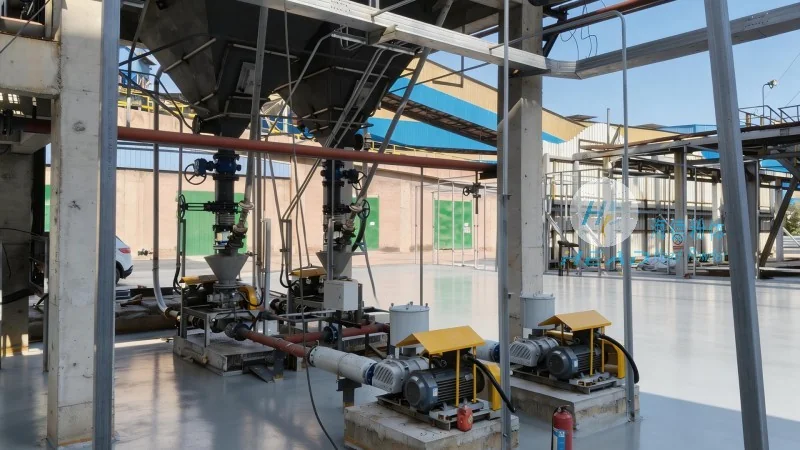
Dry stone powder pneumatic conveying systems operate on the principle of using compressed air or gas to transport dry, free-flowing materials such as stone powders, powders, and granules through a pipeline. The process involves creating a pressure differential between the material source and the discharge point, enabling the material to be suspended and carried by the air stream. This method eliminates the need for mechanical components like belts or buckets, reducing maintenance requirements and enhancing safety in material handling operations.
The system typically consists of a hopper for material storage, a feeder to control the flow rate, a compressor to generate the necessary air pressure, and a pipeline network that transports the material to the destination. The air velocity within the pipeline is critical; it must be sufficient to keep the material particles suspended and prevent deposition or blockages. Proper design of the conveying line, including pipe diameter, length, and bends, is essential to maintain optimal air velocity and pressure, ensuring efficient and reliable material transport.
Key Working Scene Characteristics of Dry Stone Powder Pneumatic Conveying Systems
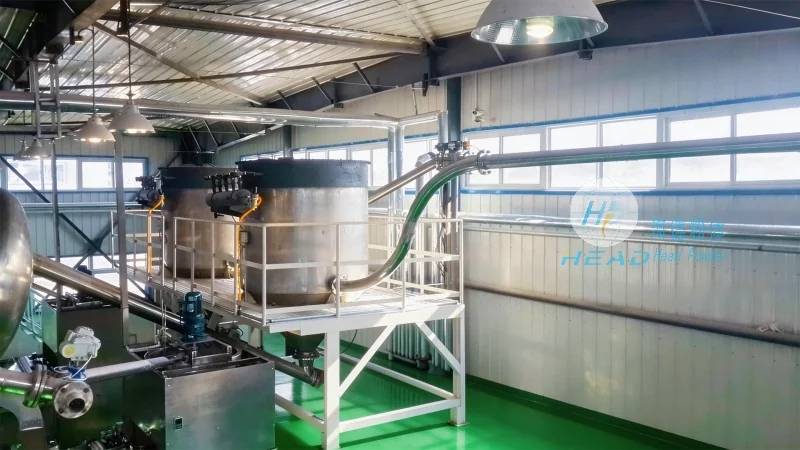
The operational environments where dry stone powder pneumatic conveying systems are applied exhibit distinct characteristics that influence system design and performance. These characteristics include the nature of the material being conveyed, the distance and layout of the conveying route, and the required discharge conditions. For instance, in applications involving fine stone powders, the system must be designed to handle high dust concentrations and ensure minimal particle degradation, which may require specialized filtration and cleaning mechanisms.
Another critical aspect is the ambient conditions, such as temperature and humidity, which can affect the material's flow properties and the air's density. In industrial settings where space is limited or where the conveying route involves vertical or horizontal changes, the system's flexibility in adapting to different orientations is vital. Additionally, the need for dust control and environmental compliance in modern industrial operations has led to the integration of advanced filtration systems and material recovery units within the conveying line, enhancing both efficiency and safety.
Application Scenarios and Industry-Specific Benefits
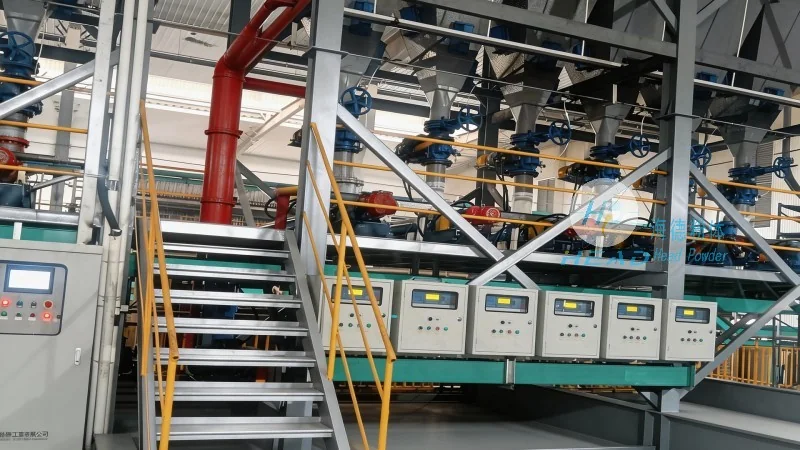
Dry stone powder pneumatic conveying lines are widely utilized across various industries, including mining, construction, chemical processing, and food processing. In the mining sector, these systems efficiently transport crushed stone powders from processing plants to storage or shipping facilities, reducing the risk of material spillage and improving operational safety. In construction, they are employed to move sand, cement, and other dry aggregates to job sites, streamlining material logistics and reducing labor costs.
In the chemical industry, the systems handle fine powders like calcium carbonate or silica, where maintaining particle integrity and preventing contamination is paramount. The ability to convey these materials in a closed system minimizes exposure to environmental pollutants and ensures product quality. Similarly, in the food industry, pneumatic conveying is used for transporting dry ingredients like flour or sugar, where hygiene and product purity are critical. The closed pipeline design prevents cross-contamination and maintains the material's freshness.
Advantages and Considerations in Operational Environments
One of the primary advantages of dry stone powder pneumatic conveying systems is their ability to handle a wide range of material types and particle sizes, from fine powders to coarse granules. This versatility makes them suitable for diverse industrial applications. Additionally, the system's compact design and lack of moving parts reduce energy consumption and maintenance costs compared to traditional mechanical conveying methods. However, operational considerations such as air pressure requirements, material flow rates, and pipeline maintenance must be carefully managed to ensure optimal performance.
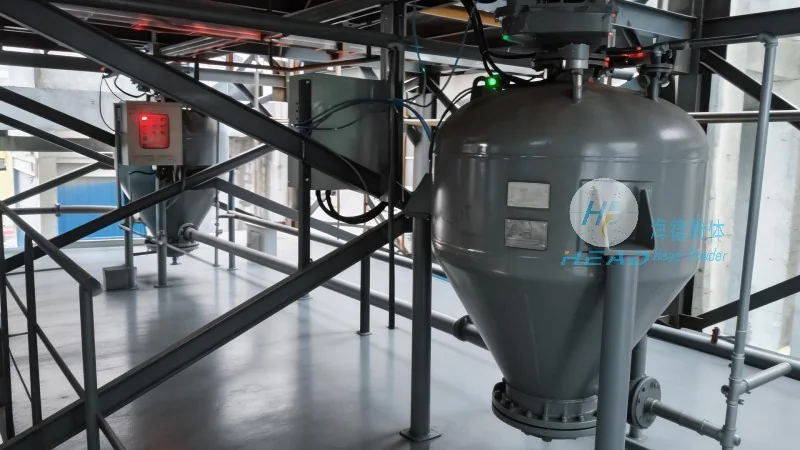
In terms of environmental impact, pneumatic conveying systems are generally more efficient than open-air methods, as they minimize dust emissions and require less water for cleaning. This aligns with modern industrial standards for sustainability and environmental responsibility. Furthermore, the systems can be integrated with automation and control systems, allowing for real-time monitoring and adjustment of conveying parameters, enhancing overall operational efficiency and reliability.
Conclusion
HeadPowder's expertise in designing and implementing dry stone powder pneumatic conveying lines addresses the unique challenges of material handling in various industrial sectors. By understanding the core principles and operational characteristics of these systems, industries can leverage their efficiency, reliability, and adaptability to improve production processes and reduce operational costs. As a company based in Shandong, China, HeadPowder continues to innovate in material handling solutions, providing tailored pneumatic conveying systems that meet the specific needs of its clients in diverse operational environments.




