Intermittent feeding systems represent a critical component in modern material handling and processing operations. These systems are designed to transport materials in a controlled, periodic manner, ensuring precise control over the flow of goods. The core principle behind intermittent feeding lies in the synchronized movement of components, such as conveyors, feeders, and control mechanisms, to deliver materials at specific intervals. This approach is particularly valuable in industries where accuracy, consistency, and the ability to handle a variety of product types are paramount.
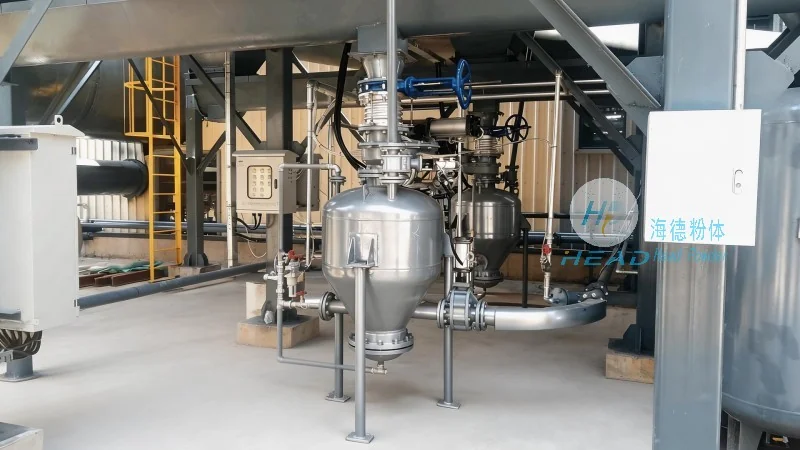
Key Principles of Intermittent Material Feeding
The fundamental principle of intermittent feeding is the separation of material movement into distinct, timed cycles. Unlike continuous conveyor systems that operate at a constant speed, intermittent feeders pause and then move materials in short bursts. This cycle is typically governed by mechanical or electronic control systems that regulate the timing and duration of each movement. The result is a highly controlled feeding process that minimizes material overlap, reduces waste, and enhances the overall efficiency of production lines.
One of the primary advantages of intermittent feeding is its adaptability to diverse product shapes and sizes. By adjusting the timing and speed of the feeding mechanism, operators can accommodate irregularly shaped items, bulk materials, or even fragile components without compromising the integrity of the material. This flexibility makes intermittent feeding systems suitable for a wide range of applications, from manufacturing and packaging to logistics and warehousing.
Working Scenario Characteristics
Intermittent feeding systems are widely employed in various industrial settings, each with unique characteristics that define their operational requirements. For instance, in manufacturing plants, these systems are often integrated into assembly lines to feed components to robotic or manual workstations at precise intervals. This ensures that each workstation receives the correct number of parts, preventing bottlenecks and maintaining a steady production flow.
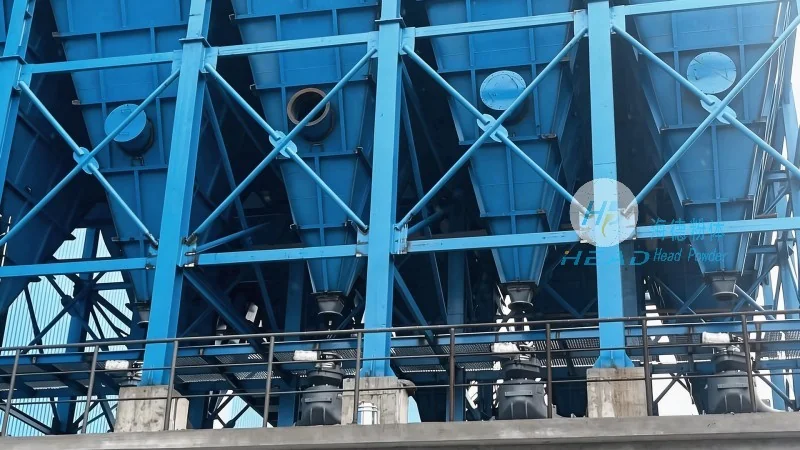
In the packaging industry, intermittent feeders are crucial for handling products that require careful placement into containers. The controlled movement allows for accurate alignment of items, reducing the risk of damage or misalignment during the packaging process. This is especially important for fragile or delicate products, where even minor errors can lead to significant losses.
Another common application is in the logistics and distribution sector, where intermittent feeding systems are used to transfer items between storage areas and shipping docks. The periodic movement helps in managing inventory levels and ensuring that goods are moved in batches, optimizing warehouse space and reducing handling time. This approach is particularly beneficial in high-volume operations where efficiency is a key differentiator.
Operational Advantages and Considerations
Intermittent feeding systems offer several operational advantages that make them a preferred choice in many industries. The primary benefit is the enhanced control over material flow, which leads to improved production efficiency and reduced downtime. By minimizing the risk of material jams or overfeeding, these systems help maintain consistent output rates and lower maintenance costs.
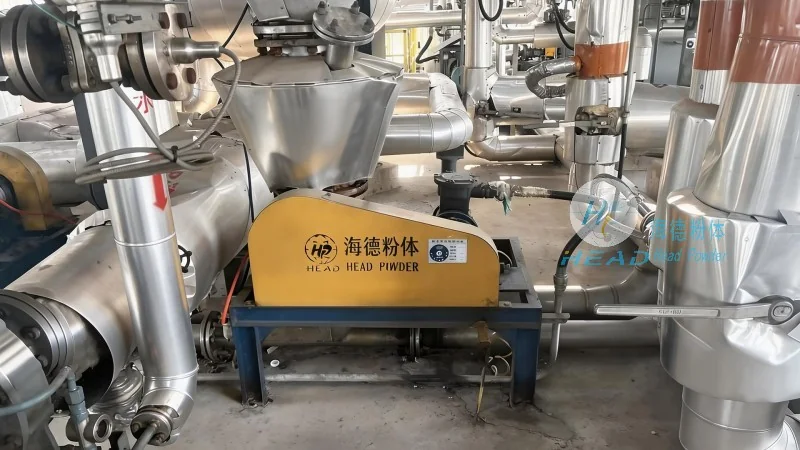
Additionally, the adaptability of intermittent feeders allows for easy integration with existing production lines. This flexibility enables manufacturers to upgrade or modify their systems without significant disruptions, ensuring long-term operational continuity. However, it is important to consider the specific requirements of each application when implementing an intermittent feeding system. Factors such as material type, size, and the desired feeding rate must be carefully evaluated to ensure optimal performance.
Moreover, the reliability of intermittent feeding systems is enhanced by their mechanical simplicity and robust design. Unlike complex continuous systems, intermittent feeders typically have fewer moving parts, reducing the likelihood of mechanical failures. This reliability is critical in high-stakes environments where downtime can result in substantial financial losses.
Conclusion
Intermittent feeding systems play a vital role in modern material handling by providing precise, controlled, and adaptable solutions for a wide range of industrial applications. The combination of mechanical and electronic controls allows for the efficient transfer of materials, ensuring consistency and minimizing waste. As industries continue to evolve, the demand for such systems is likely to grow, driven by the need for greater efficiency and flexibility in production processes. Companies like Shandong HeadPowder Engineering Co., Ltd., based in China, specialize in designing and manufacturing these systems, offering tailored solutions to meet the unique needs of their clients.




