Tea material conveying systems are essential components in modern tea processing facilities, designed to efficiently transport various types of tea leaves and related materials through different stages of production. Understanding the underlying principles and the specific characteristics of these systems is crucial for optimizing workflow and ensuring consistent quality in tea manufacturing. This article explores the fundamental mechanisms of tea material conveyors and highlights the key working scene characteristics that define their effectiveness in real-world applications.
Core Principles of Tea Material Conveying Systems
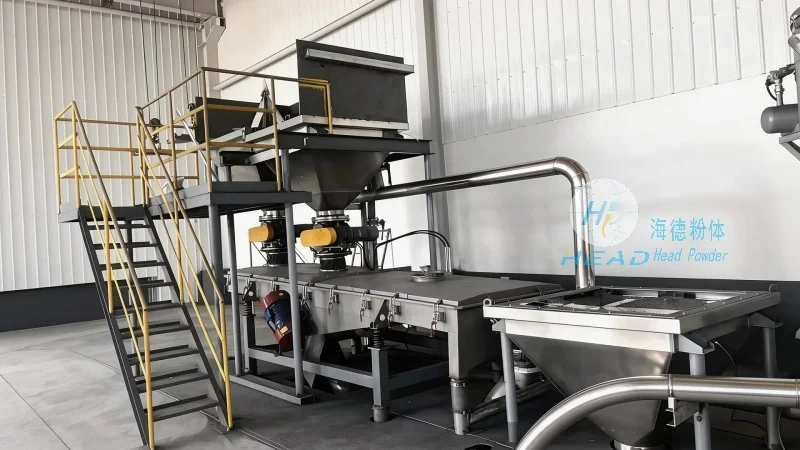
The operation of tea material conveying systems is based on several fundamental principles that ensure smooth and reliable movement of tea leaves and other processing materials. These systems typically utilize mechanical components such as belts, rollers, and pulleys to transport materials from one processing stage to another. The design of these systems is tailored to handle the unique properties of tea leaves, including their delicate structure and varying sizes. For instance, some conveyors are equipped with adjustable speed controls to accommodate different processing speeds, while others feature specialized surfaces to prevent damage to the leaves during transport. The integration of sensors and control systems further enhances the precision and efficiency of material handling, allowing for real-time monitoring and adjustment of conveyor operations.
Key Working Scene Characteristics
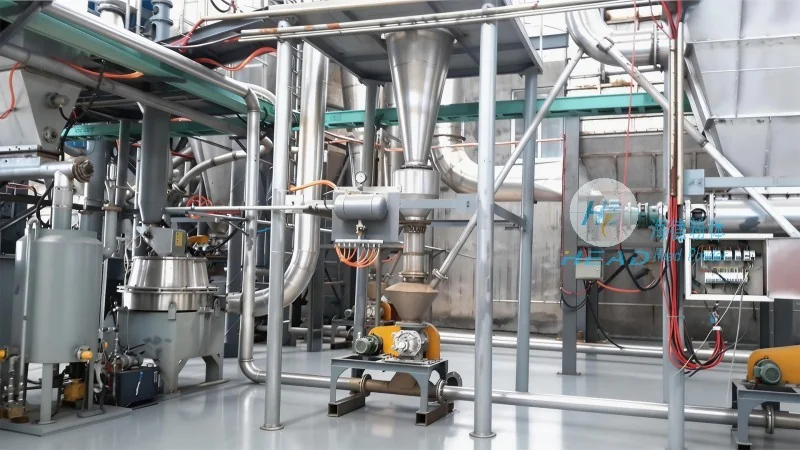
The working scene characteristics of tea material conveying systems are influenced by several factors, including the type of tea being processed, the scale of the production facility, and the specific processing steps involved. In large-scale tea processing plants, these systems often operate in high-volume environments, requiring robust and durable components to withstand continuous use. The layout of the conveying system is also critical, as it must align with the overall production flow to minimize bottlenecks and maximize throughput. For example, in a typical tea factory, the conveyor may start at the sorting and grading stage, transporting raw leaves to the withering or fermentation area, and then to the drying or packaging section. Each segment of the conveyor is designed to handle specific material characteristics, such as moisture content or leaf size, ensuring that the tea leaves are processed under optimal conditions.
Application in Different Tea Processing Stages
Tea material conveying systems are widely used across various stages of tea production, each with distinct requirements and operational characteristics. In the initial stages, such as leaf collection and sorting, conveyors may use gentle handling mechanisms to prevent leaf damage, as the leaves are still in their raw state. As the leaves progress through the processing stages, the conveying systems may need to handle different forms of tea, such as green tea, oolong, or black tea, each with unique processing needs. For instance, during the withering process, the conveyor may transport leaves at a controlled speed to allow for even moisture loss, while in the drying stage, the system may use heated surfaces to accelerate the drying process. The versatility of these systems allows them to adapt to different tea types and processing methods, making them indispensable in modern tea manufacturing.
Advantages and Considerations in Real-World Use
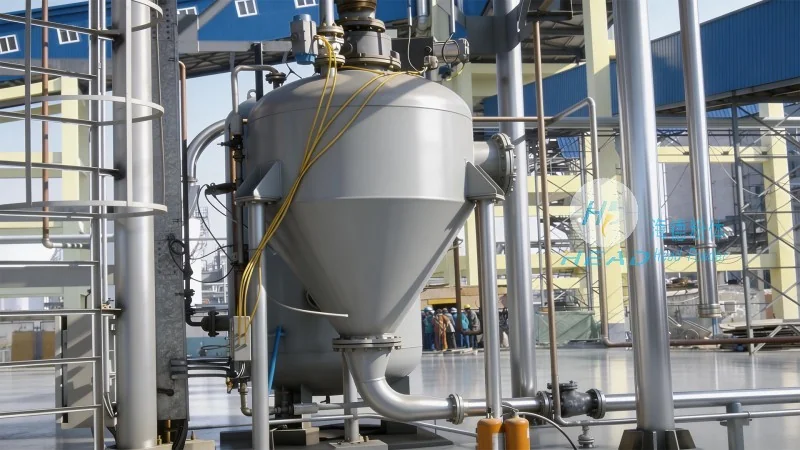
Implementing tea material conveying systems offers several advantages, including improved efficiency, reduced labor costs, and enhanced product quality. By automating the material transport process, these systems minimize the risk of human error and ensure consistent handling of tea leaves. Additionally, the use of advanced materials and design features helps to extend the lifespan of the equipment and reduce maintenance costs. However, there are also considerations to keep in mind when selecting and operating these systems. For example, the choice of conveyor type depends on the specific material being handled, and improper selection can lead to inefficiencies or damage to the product. Furthermore, regular maintenance and monitoring are essential to ensure the system operates at optimal performance levels. Companies like Shandong HeadPowder Engineering Co., Ltd., based in China, specialize in designing and manufacturing customized tea material conveying systems that meet the unique needs of tea processing facilities.




