Low-pressure material conveying lines represent a critical technology in modern material handling and processing industries. These systems are designed to transport bulk materials efficiently and safely under low-pressure conditions, making them suitable for a wide range of applications where traditional high-pressure or mechanical conveying methods may not be ideal. The core principle revolves around using air or gas to create a flow of material through a network of pipes or ducts, ensuring minimal wear on the conveyed materials and equipment.
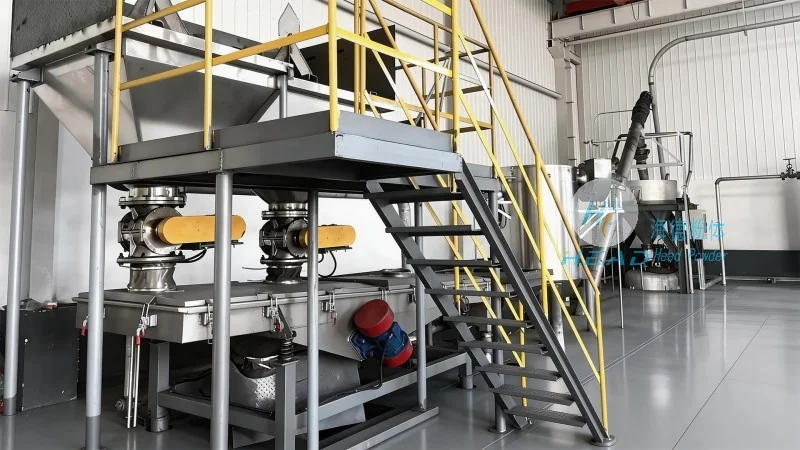
The Working Principle of Low-Pressure Conveying Systems
The fundamental operation of low-pressure material conveying lines is based on the principle of pneumatic transport. In this system, a blower or fan generates a low-pressure air stream within a sealed pipeline. The material to be conveyed is introduced into the system, typically via a hopper or feeder, and is then entrained by the moving air. As the air and material mixture travels through the pipeline, the material is carried to the destination point. At the receiving end, a separator or cyclone separates the material from the air, allowing the material to be discharged and the air to be recirculated or vented. This process minimizes energy consumption and reduces the risk of material degradation compared to higher-pressure systems.
Key Components and Their Functions
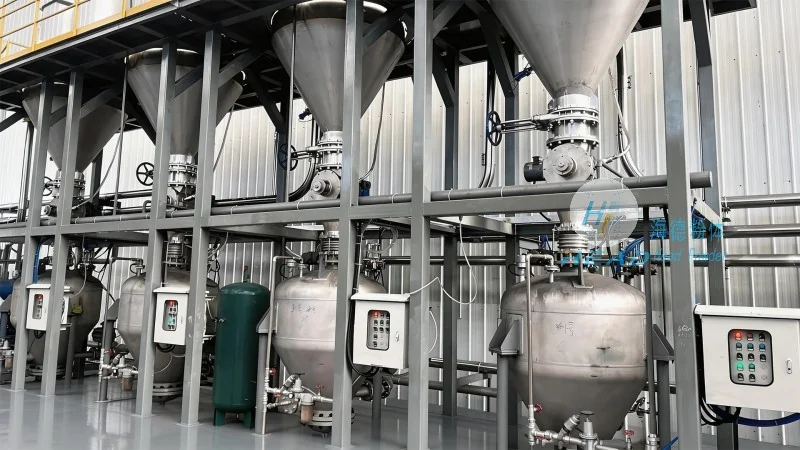
Several key components work in tandem to ensure the smooth operation of low-pressure material conveying lines. The primary components include:
- **Air Supply Unit**: This is typically a blower or fan that generates the low-pressure air stream. It is responsible for maintaining the necessary air flow rate and pressure to move the material through the system.
- **Material Feeder/Hopper**: The feeder or hopper is used to introduce the bulk material into the conveying system. It ensures a consistent flow of material into the pipeline, preventing blockages and maintaining system efficiency.
- **Conveying Ducts/Pipes**: These are the main channels through which the material and air travel. They are usually made of durable materials such as stainless steel or plastic to withstand the abrasive nature of the conveyed materials and the effects of air flow.
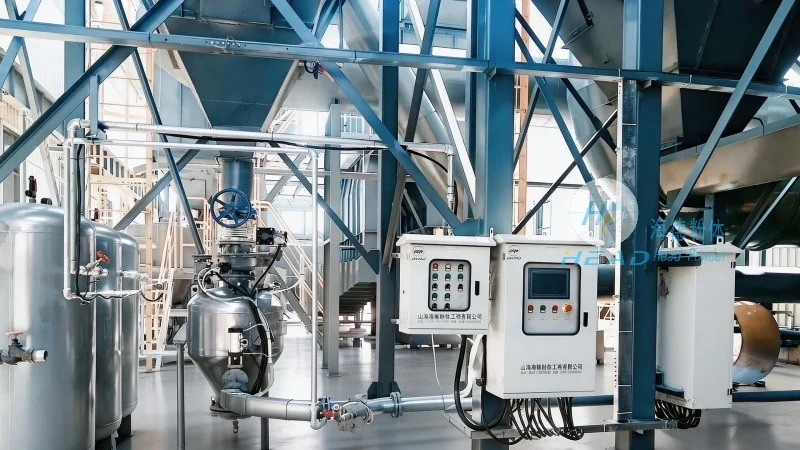
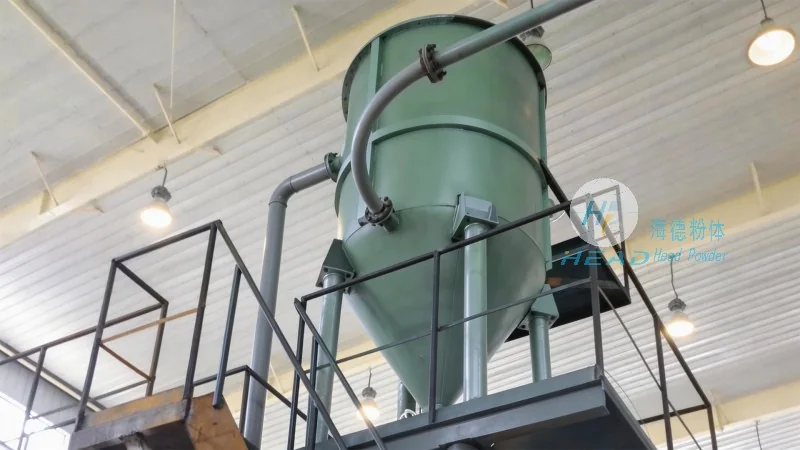
- **Separator/Cyclone**: At the end of the conveying line, a separator is used to separate the material from the air. This component uses centrifugal force to separate the heavier material particles from the lighter air, allowing the material to be collected and the air to be returned to the system or released.
- **Control System**: A control system monitors and regulates the operation of the conveying line, ensuring that the air flow, material feed rate, and system pressure are maintained within optimal parameters. This helps prevent system failures and ensures consistent performance.
Typical Application Scenarios and Industry Uses
Low-pressure material conveying lines are widely used across various industries due to their versatility and efficiency. Some common application scenarios include:
- **Food and Beverage Industry**: In this sector, low-pressure conveying is used to transport powders such as flour, sugar, and spices, as well as granules like coffee beans and tea leaves. The low-pressure system minimizes the risk of contamination and preserves the quality of the food products.
- **Pharmaceutical Industry**: Pharmaceutical companies utilize low-pressure conveying systems to handle powders and granules used in drug manufacturing. The system's ability to maintain a sterile environment and prevent cross-contamination is crucial for meeting regulatory standards.
- **Chemical Industry**: The chemical industry uses low-pressure conveying lines to transport various powders and granules, including raw materials and finished products. The system's design allows for safe handling of potentially hazardous materials while minimizing the risk of dust explosions.
- **Mining and Minerals Processing**: In mining operations, low-pressure conveying is used to transport bulk materials such as ores, coal, and minerals from processing plants to storage facilities or for further processing. The system's durability and ability to handle abrasive materials make it ideal for this application.
- **Agricultural Industry**: Agricultural applications include the transportation of grain, seeds, and other agricultural products. Low-pressure conveying lines are used to move these materials from storage silos to processing equipment or for distribution to farms.
Advantages of Low-Pressure Material Conveying Lines
Compared to other material conveying methods, low-pressure material conveying lines offer several advantages that make them a preferred choice in many industries:
- **Energy Efficiency**: Low-pressure systems consume less energy compared to high-pressure or mechanical conveying systems, resulting in lower operational costs and reduced environmental impact.
- **Minimal Material Damage**: The low-pressure air flow minimizes the impact and friction on the conveyed materials, preserving their quality and reducing the risk of degradation.
- **Low Maintenance Requirements**: The components of a low-pressure system are designed to be durable and require less frequent maintenance, reducing downtime and maintenance costs.
- **Versatility**: These systems can handle a wide range of materials, including powders, granules, and small particles, making them suitable for diverse applications.
- **Safety**: Low-pressure systems reduce the risk of dust explosions compared to high-pressure systems, as the air flow is controlled and the system is designed to minimize the accumulation of dust.




