For industrial operations that require efficient material handling between vehicles and processing facilities, loading and unloading material conveying lines offer a reliable solution. These systems are designed to streamline the movement of bulk materials, containers, or packaged goods, ensuring smooth transitions from trucks, railcars, or other transport modes to storage areas or production lines.
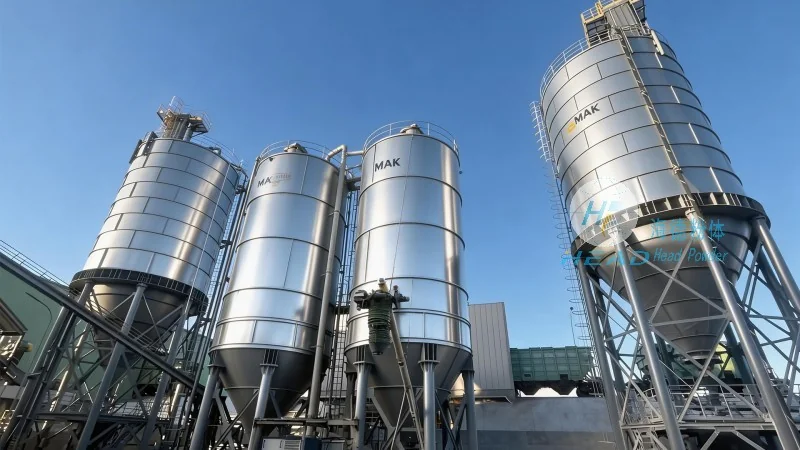
Understanding the Core Principles of Material Conveying Systems
The fundamental principle behind loading and unloading material conveying lines is the integration of mechanical components to facilitate the transfer of materials with minimal manual intervention. These systems typically consist of conveyor belts, rollers, or other transport mechanisms that are strategically positioned to connect the loading/unloading points with the receiving or dispatching areas. The design of such lines is tailored to the specific characteristics of the materials being handled—whether they are heavy, bulky, or require precise positioning. By leveraging gravity, motorized drives, or a combination of both, these systems ensure consistent and reliable material flow, reducing downtime and increasing overall operational efficiency.
The core components of loading and unloading material conveying lines include conveyor belts, idlers, drive systems, and control panels. Conveyor belts, often made from durable materials such as rubber or plastic, are designed to withstand heavy loads and harsh environmental conditions. Idlers, which support the belt and maintain proper tension, are strategically placed to ensure smooth movement. Drive systems, which can be powered by electric motors or hydraulic systems, provide the necessary force to move the belt and transport materials. Control panels, equipped with sensors and programmable logic controllers (PLCs), enable operators to monitor and adjust the system's performance in real time. This integration of components allows for precise control over material flow, ensuring that the system operates efficiently and safely under all conditions.
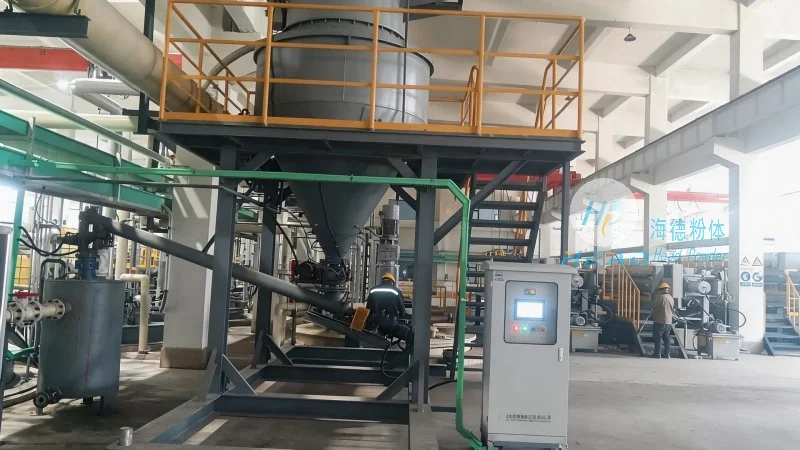
Key Working Scene Characteristics and Applications
Material conveying lines for loading and unloading are employed in a wide range of industrial environments, each with distinct operational requirements. For example, in logistics and warehousing, these systems are crucial for managing the high volume of goods arriving from trucks or being dispatched to shipping containers. In manufacturing plants, they facilitate the seamless transfer of raw materials to production lines or finished products to storage, minimizing bottlenecks and enhancing production throughput. The flexibility of these systems allows them to adapt to various scenarios, from simple single-line setups to complex multi-conveyor networks that handle diverse material types simultaneously. Additionally, the integration of sensors and control systems enables real-time monitoring and adjustment, ensuring optimal performance under varying operational conditions.
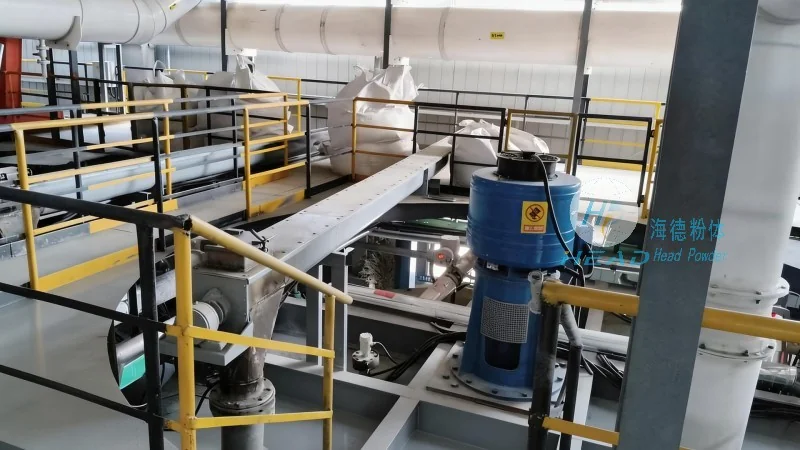
In logistics and warehousing, loading and unloading material conveying lines are essential for managing the high volume of goods that enter and exit facilities. For instance, in a distribution center, these systems can handle the transfer of palletized goods from delivery trucks to storage racks or from storage to shipping containers. This reduces the need for manual lifting and moving, minimizing the risk of workplace injuries and increasing operational speed. In manufacturing, the systems are used to move raw materials from receiving areas to production lines or finished products from assembly lines to packaging areas. The ability to handle different material types, such as metal parts, plastic components, or bulk powders, makes these systems versatile and adaptable to various production processes. Additionally, in construction sites, material conveying lines are used to transport building materials from trucks to storage areas or to the construction zone, improving the efficiency of material handling and reducing labor costs.
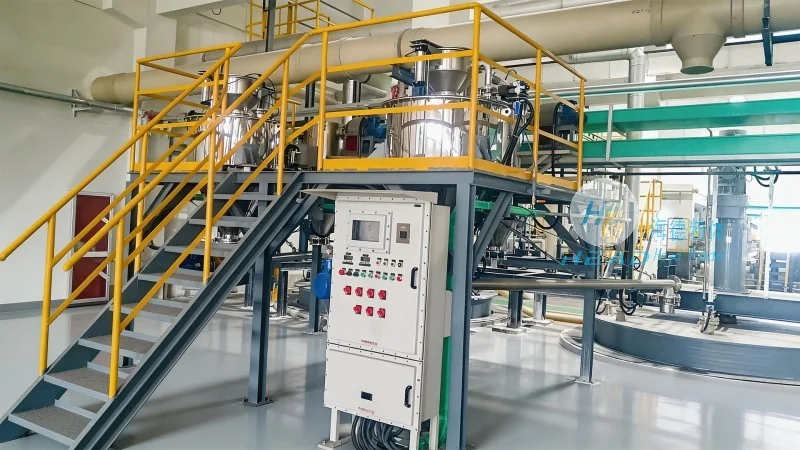
Company Overview: Shandong HeadPowder Engineering Co., Ltd.
As a leading provider of material handling solutions, Shandong HeadPowder Engineering Co., Ltd. specializes in designing, manufacturing, and implementing customized loading and unloading material conveying lines. With a focus on innovation and customer-centric solutions, the company leverages advanced engineering techniques to develop systems that meet the unique needs of industrial clients. HeadPowder's expertise spans various industries, including logistics, manufacturing, and construction, where efficient material transfer is critical to operational success. The company's commitment to quality and reliability is reflected in its adherence to international standards and rigorous testing protocols, ensuring that each system delivered meets the highest performance and safety requirements. Based in Shandong, China, HeadPowder serves clients both domestically and internationally, providing comprehensive support from initial consultation to long-term maintenance and optimization.
HeadPowder Engineering Co., Ltd. offers comprehensive services to support the implementation of loading and unloading material conveying lines. The company's team of experienced engineers and technicians works closely with clients to understand their specific requirements and design customized solutions. From initial site surveys and feasibility studies to system installation and commissioning, HeadPowder provides end-to-end support. The company also offers maintenance and repair services to ensure that the systems operate at peak performance over their lifespan. By leveraging advanced technology and industry expertise, HeadPowder helps clients optimize their material handling processes, reduce operational costs, and enhance overall productivity. The company's commitment to customer satisfaction is reflected in its responsive service and dedication to delivering high-quality solutions that meet the evolving needs of the industrial sector.




