HeadPowder, formally known as Shandong HeadPowder Engineering Co., Ltd., is a reputable enterprise based in Shandong, China, specializing in the research, development, and manufacturing of advanced material handling systems. With a strong commitment to innovation and precision engineering, HeadPowder has established itself as a key player in the industry, delivering reliable solutions for various material handling challenges.
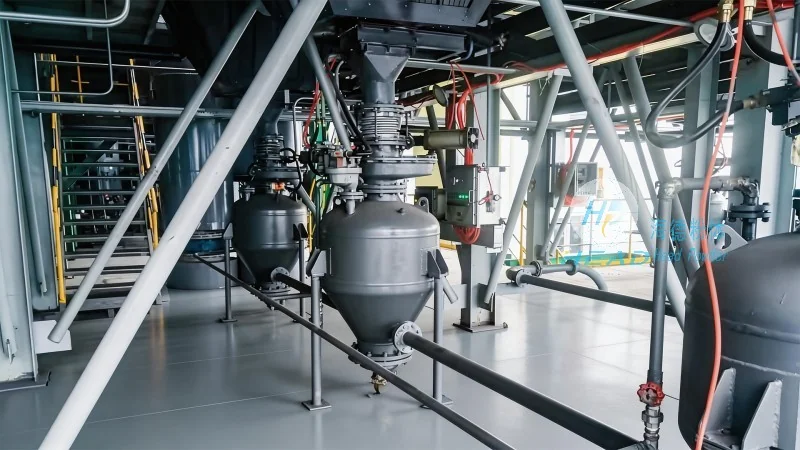
Principles of Embolism-Type Material Handling Systems
The embolism-type material handling system is a sophisticated mechanism designed to transport bulk materials efficiently and safely. At its core, the system operates by utilizing a unique embolism mechanism that controls the flow of materials through a series of interconnected components. This mechanism ensures precise control over material movement, preventing blockages and ensuring consistent throughput. The system integrates advanced sensors and control technologies to monitor and adjust the flow in real-time, optimizing performance based on operational conditions. By leveraging hydraulic or pneumatic actuation, the system maintains consistent pressure and flow rates, enhancing reliability and reducing downtime. The design incorporates robust construction materials, such as high-strength alloys and corrosion-resistant coatings, to withstand harsh environmental conditions and heavy-duty applications. This combination of mechanical, electrical, and control systems creates a highly efficient and adaptable material handling solution.
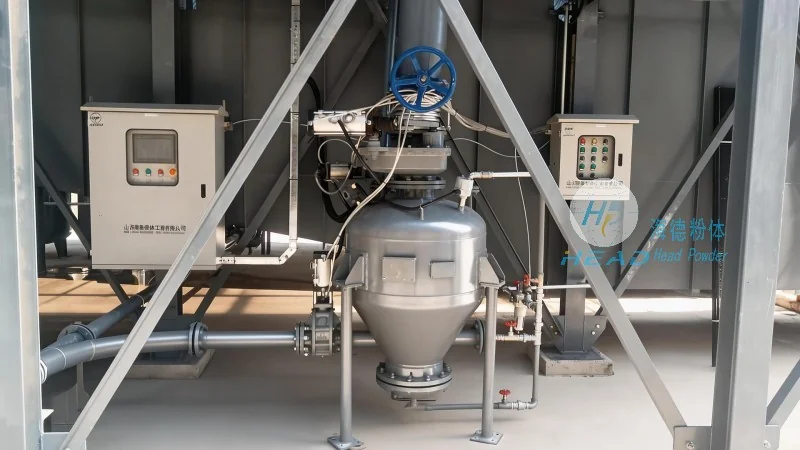
Working Scene Characteristics and Applications
Embolism-type material handling systems are widely applied in diverse industrial settings, including mining, construction, and manufacturing. Their adaptability makes them suitable for transporting a range of materials, from powders and granules to bulk solids. In mining operations, these systems are crucial for transporting ore and rock from extraction sites to processing facilities, ensuring smooth and continuous material flow. In construction sites, they assist in moving sand, gravel, and other construction materials, improving operational efficiency and reducing manual labor. The systems are also used in manufacturing plants for transporting raw materials to production lines and finished products to storage areas. The working scene characteristics include high throughput requirements, variable material properties, and demanding environmental conditions. The systems are designed to handle these challenges by providing adjustable flow rates, customizable conveying paths, and durable components that can withstand abrasive and corrosive materials. This flexibility allows the systems to integrate seamlessly into existing workflows, enhancing overall productivity and reducing operational costs.
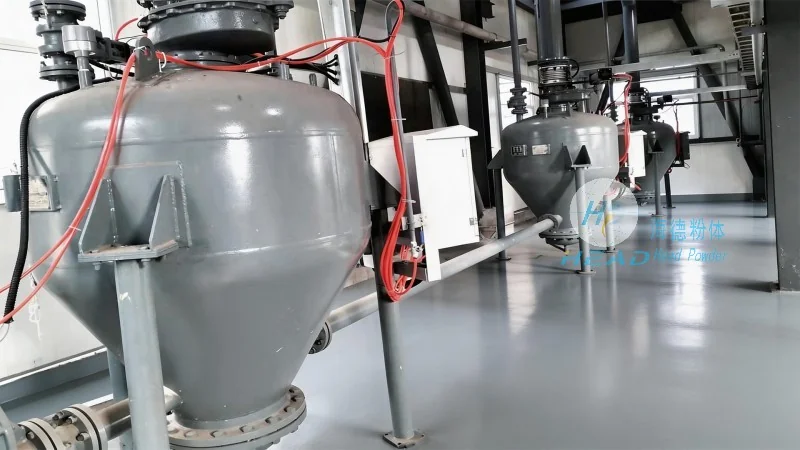
Advantages in Diverse Operational Environments
One of the key advantages of embolism-type material handling systems is their ability to handle a wide variety of materials with minimal maintenance. The system's design minimizes the risk of material buildup and blockages, which are common issues in traditional conveyor systems. This results in lower maintenance costs and increased operational uptime. Additionally, the systems are energy-efficient, utilizing advanced control algorithms to optimize power consumption based on the load and flow requirements. This not only reduces operational expenses but also contributes to environmental sustainability. The modular design of the systems allows for easy customization and expansion, enabling businesses to adapt to changing production needs without significant investments. Furthermore, the systems are equipped with safety features, such as emergency stop mechanisms and overload protection, ensuring the safety of operators and equipment. These features comply with industry standards and regulations, providing peace of mind to users. Overall, the embolism-type material handling systems offer a reliable, efficient, and cost-effective solution for material handling in various industrial applications.




