Polypropylene (PP) is a widely used thermoplastic polymer with excellent chemical resistance, high strength, and low density. In industrial applications, efficient handling and transportation of polypropylene materials are crucial for maintaining production efficiency and product quality. The polypropylene material handling system equipment, designed by Shandong HeadPowder Engineering Co., Ltd., plays a vital role in optimizing the flow of PP materials from storage to processing units. This system integrates advanced engineering principles and practical application scenarios to ensure reliable and efficient material transfer.
Company Profile: HeadPowder
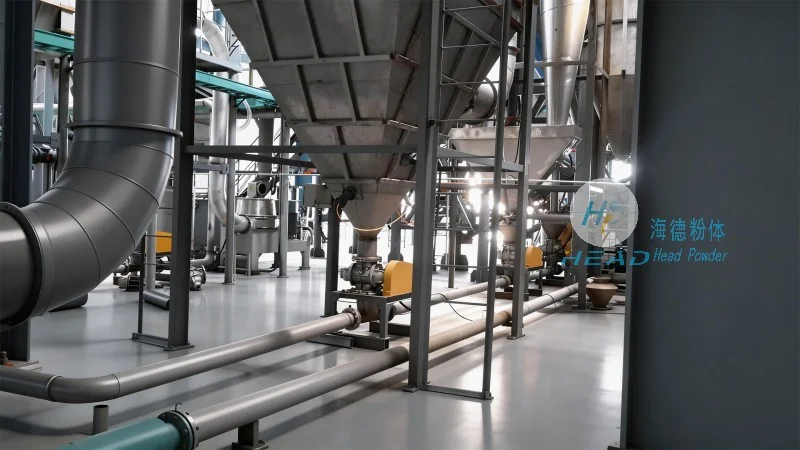
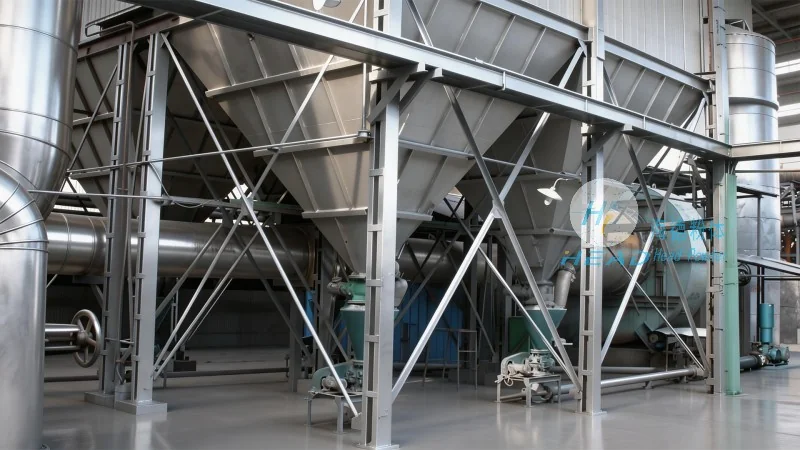
Shandong HeadPowder Engineering Co., Ltd., commonly known as HeadPowder, is a professional manufacturer and supplier of material handling equipment. With its headquarters in Shandong, China, the company specializes in developing and manufacturing high-quality polypropylene and other plastic material handling systems. HeadPowder has built a strong reputation in the industry by focusing on innovation, quality control, and customer-centric solutions. The company's team of experienced engineers and technicians ensures that each product meets the highest standards of performance and durability, catering to the diverse needs of various industrial sectors.
Principles of Polypropylene Material Handling Equipment
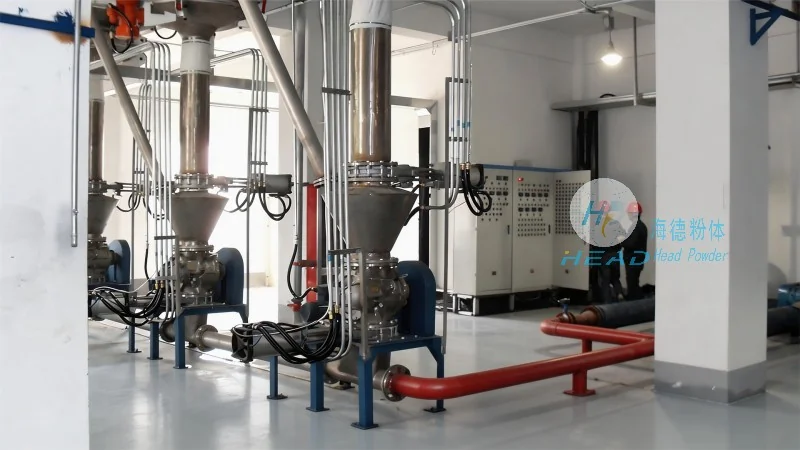
The core principle of polypropylene material handling systems is to facilitate the seamless transfer of PP materials through a combination of mechanical components and control mechanisms. The system typically includes feeders, conveyors, storage bins, and control units, all working in harmony to maintain a consistent material flow. For polypropylene, which is often in granular or pellet form, the equipment is designed to handle the material's specific properties, such as its abrasiveness and tendency to generate static electricity. The feeding mechanism, for example, may use screw conveyors or vibratory feeders to ensure uniform and controlled material discharge. The conveyor system, equipped with appropriate materials of construction (like stainless steel or special coatings), prevents material degradation and ensures long-term operational reliability. Control systems, often integrated with sensors and automation technologies, monitor the material level, flow rate, and system performance, providing real-time feedback and adjustments to maintain optimal operation.
Working Scene Characteristics of Polypropylene Material Handling Systems
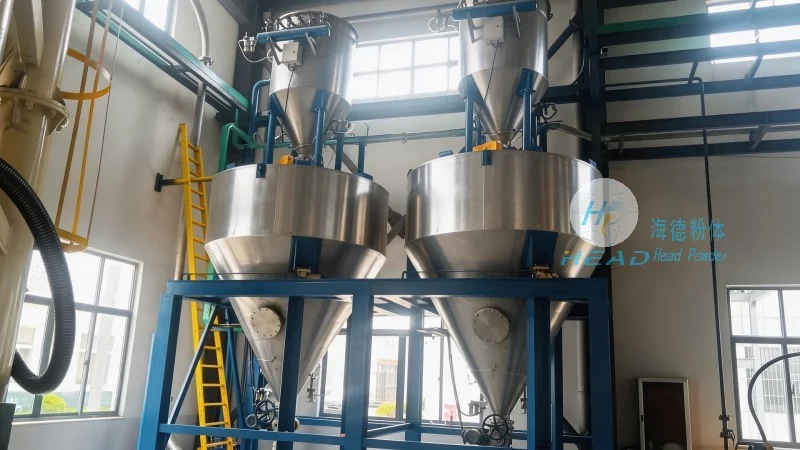
The application scenarios of polypropylene material handling systems vary across different industries, each with unique requirements that the equipment addresses effectively. In the plastic manufacturing sector, these systems are commonly used in the production lines of PP pellets, where they transport raw materials to extrusion machines and other processing equipment. The systems are designed to handle high volumes of material with minimal downtime, ensuring continuous production. In the chemical and petrochemical industries, polypropylene handling equipment is used for transporting PP powders or granules from storage silos to reactors or blending units. The equipment's ability to handle abrasive materials and resist chemical corrosion makes it suitable for these harsh environments. Additionally, in the packaging and automotive industries, polypropylene material handling systems are employed in the production of PP containers, parts, and components, where precision and efficiency are critical. The working scene characteristics also include the need for dust control and safety measures, as polypropylene powders can create airborne particles that require proper containment. The systems are often equipped with dust collection and explosion-proof features to ensure a safe working environment. Furthermore, the flexibility of the equipment allows it to adapt to different production scales, from small-scale operations to large industrial plants, making it a versatile solution for various polypropylene processing applications.




