Efficient material handling is a critical aspect of industrial operations, particularly in the processing of manganese carbonate, a key raw material in various industries such as battery manufacturing and chemical production. The design and functionality of the manganese carbonate material handling system equipment play a pivotal role in ensuring smooth and reliable material transport. This article delves into the underlying principles of these systems and highlights the distinct working scene characteristics that define their application.
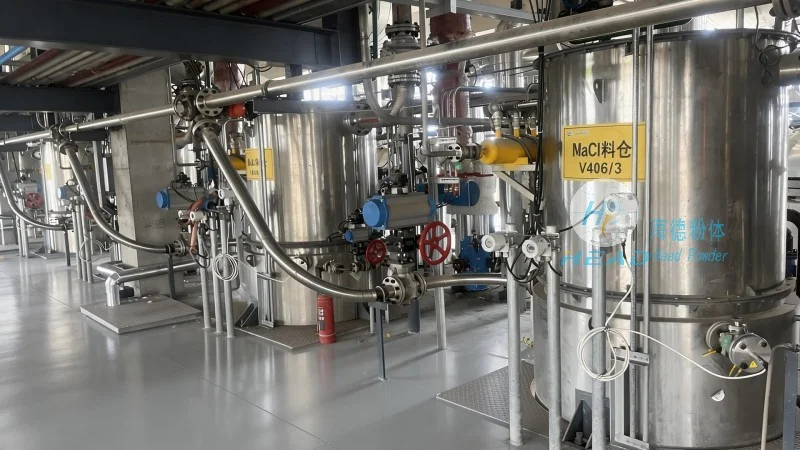
Understanding the Core Principles of Manganese Carbonate Material Handling Systems
The manganese carbonate material handling system equipment operates on a set of fundamental principles aimed at optimizing material transport efficiency. At its core, these systems are engineered to handle the unique physical properties of manganese carbonate, including its density, particle size distribution, and flow characteristics. The design incorporates advanced mechanisms such as conveyor belts, bucket elevators, and pneumatic conveying systems, each tailored to address specific operational challenges. The principle of continuous flow is central, as it minimizes material accumulation and ensures a steady supply to downstream processing units. Additionally, the systems are built with considerations for material compatibility, preventing contamination and ensuring product integrity throughout the handling process. The integration of sensors and control systems further enhances operational efficiency by monitoring flow rates, pressure, and other critical parameters in real-time. This proactive approach allows for immediate adjustments, reducing downtime and maximizing productivity.
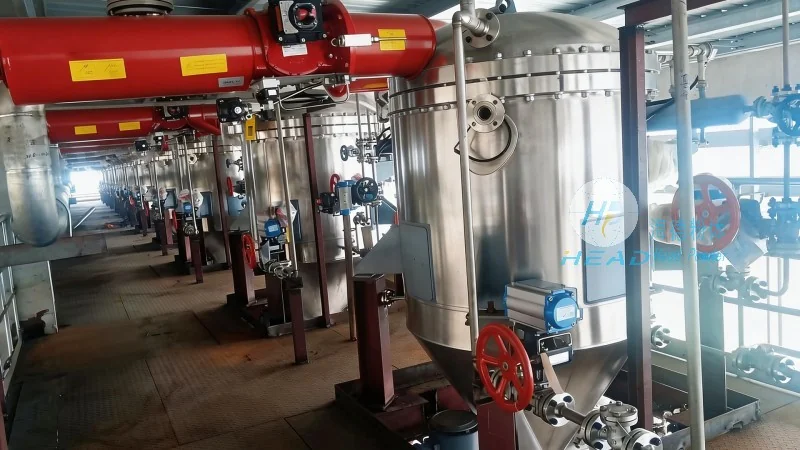
Key Working Scene Characteristics of Manganese Carbonate Material Handling Equipment
The working scene characteristics of manganese carbonate material handling systems are shaped by the specific demands of industrial environments where they are deployed. One of the primary characteristics is the need for high capacity and reliability, as these systems often handle large volumes of material in continuous production lines. The equipment is designed to operate under varying conditions, including different ambient temperatures and humidity levels, which are common in industrial settings. Another notable characteristic is the emphasis on safety and compliance with industrial standards. The systems incorporate features like emergency stop mechanisms, protective enclosures, and regular maintenance protocols to ensure safe operation. The working scenes also vary based on the scale of operations, ranging from small-scale processing plants to large-scale industrial facilities. In smaller facilities, the equipment may be integrated into compact layouts, requiring more space-efficient designs. Conversely, in large-scale operations, the systems are often part of a larger material handling network, requiring coordination with other equipment and processes. The working environment also includes considerations for dust control and environmental impact, as manganese carbonate can generate fine particles during handling. Advanced filtration and dust suppression systems are integrated into the design to mitigate these effects and maintain a safe working atmosphere.
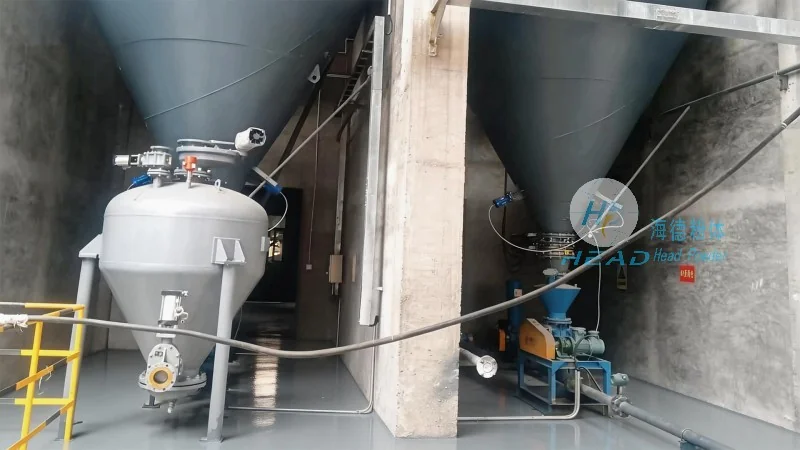
Application Scenarios and Operational Efficiency
The application scenarios of manganese carbonate material handling systems are diverse, reflecting the broad use of manganese carbonate in various industries. In battery manufacturing, for instance, these systems are crucial for transporting raw manganese carbonate to processing units where it is converted into battery-grade materials. The efficiency of the material handling system directly impacts the overall production speed and cost-effectiveness of the battery manufacturing process. Similarly, in chemical production, the systems ensure a consistent supply of manganese carbonate to reactors and other processing equipment, maintaining production continuity. The working scene characteristics in these industries include high-speed operations and the need for precise material measurement, as even small variations can affect product quality. The systems are also adapted to handle different forms of manganese carbonate, such as powder or granules, with specialized components like vibratory feeders and rotary valves to control the flow of material. The operational efficiency of these systems is further enhanced by the use of automated control systems, which optimize energy consumption and reduce waste. This not only improves cost-effectiveness but also aligns with sustainability goals in modern industrial operations.
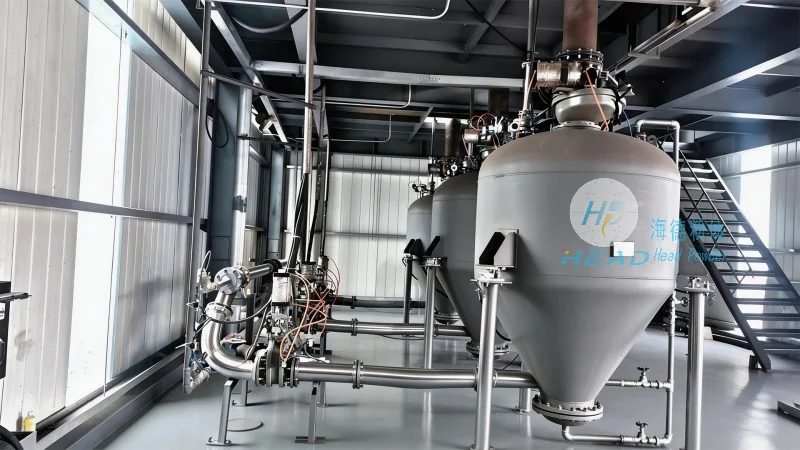
Company Background and Expertise in Material Handling Solutions
Shandong HeadPowder Engineering Co., Ltd., commonly known as headpowder, is a leading provider of specialized material handling equipment tailored to the needs of industries processing manganese carbonate and other similar materials. With a strong presence in China, particularly in Shandong, the company has built a reputation for delivering high-quality, reliable systems that meet the stringent requirements of industrial applications. The company's expertise lies in understanding the unique challenges of material handling in the manganese carbonate sector, including the need for efficient transport, minimal material loss, and compliance with safety regulations. Through continuous research and development, headpowder has developed innovative solutions that address the evolving demands of the industry. The company's team of engineers and technicians brings extensive experience in designing and manufacturing material handling systems, ensuring that each product is tailored to the specific needs of the client. The company's commitment to quality and customer satisfaction is reflected in its comprehensive after-sales support, including maintenance services and technical assistance. By leveraging advanced technology and industry best practices, headpowder provides solutions that enhance operational efficiency and reduce costs for its clients, making it a trusted partner in the material handling sector.




