HeadPowder, a leading enterprise in the field of powder processing technology, specializes in the development and application of pneumatic conveying systems tailored for battery positive electrode material powders. This article explores the fundamental principles behind pneumatic conveying and highlights the key characteristics of its working scenes, providing insights into the efficient handling of critical battery materials.
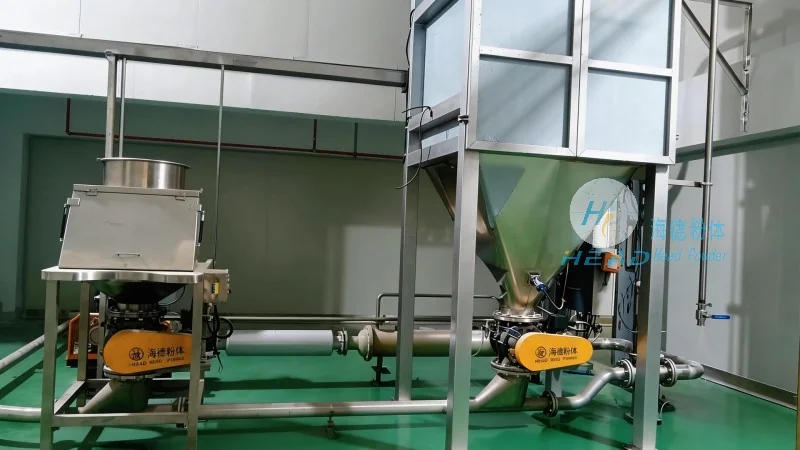
Pneumatic Conveying Principles for Battery Positive Electrode Materials
Pneumatic conveying is a method of transporting bulk materials through a pipeline using air or other gas as the conveying medium. In the context of battery positive electrode materials, such as lithium iron phosphate (LFP), lithium nickel manganese cobalt oxide (NMC), and other high-purity powders, this technology offers a non-contact, low-damage solution for material transport. The core principle involves creating a pressure differential within the pipeline to move particles. There are two main types: pressure conveying, where air is compressed and introduced at the material inlet, and vacuum conveying, where a vacuum is created at the outlet to draw material. For battery materials, which often require precise control over particle size and purity, the selection of the appropriate conveying type and system design is crucial. The system typically includes components like a hopper, feeder, pipeline, and receiver, each playing a vital role in maintaining material flow and preventing clogging or degradation.
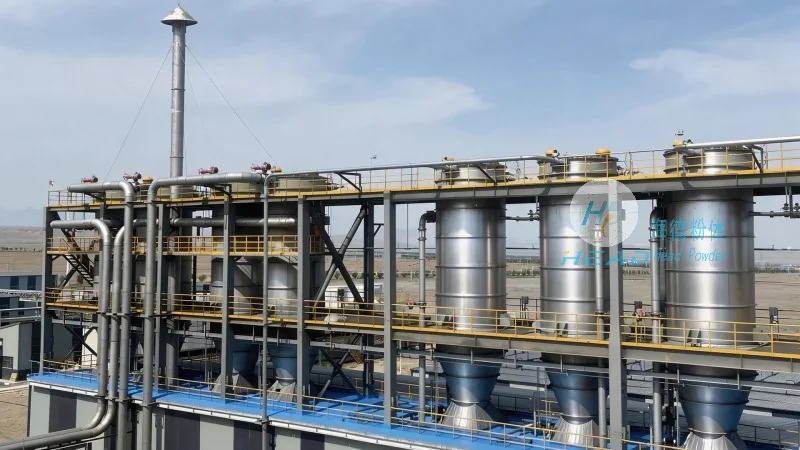
Key Working Scene Characteristics
The working scenes of pneumatic conveying for battery positive electrode materials exhibit several distinct characteristics that differentiate them from other industrial applications. First, the materials are often highly sensitive to moisture and contamination, necessitating airtight and clean systems. This is critical for maintaining the chemical stability and performance of the electrode powders. Second, the particle size distribution and flow properties of these materials can vary significantly, requiring flexible and adaptive conveying systems. For instance, fine powders may require higher air velocities to prevent settling, while coarser particles might need larger duct diameters to avoid blockages. Third, the operational environment must comply with safety standards, as many battery materials are combustible or reactive. Therefore, explosion-proof designs and proper ventilation are essential features in the system. Additionally, the scale of operations can range from small-scale laboratory testing to large-scale industrial production lines, demanding scalable solutions that can be integrated into existing production workflows.
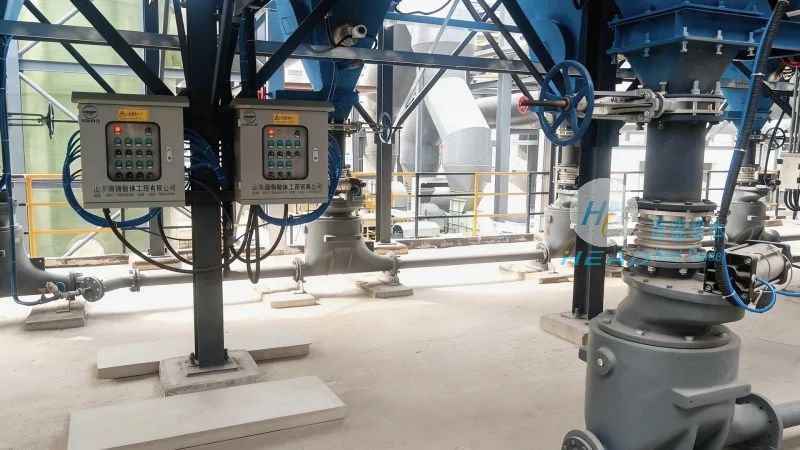
Application in Battery Material Handling
In the battery manufacturing process, pneumatic conveying is widely used in various stages, from raw material storage and feeding to mixing and packaging. For example, in the production of lithium-ion batteries, the positive electrode material powder is first stored in a sealed silo to protect it from moisture. A feeder then dispenses the material into the pneumatic conveying line, where it is transported to the mixing equipment. The conveying system must ensure a consistent flow rate to maintain the uniformity of the electrode slurry. Another application is in the transfer of finished electrode powders from the production line to storage or packaging units. Here, the system must handle varying loads and maintain material integrity throughout the process. The efficiency of the conveying system directly impacts the overall production throughput and cost, making it a critical component in battery manufacturing.
Technical Advantages and Operational Efficiency
Compared to traditional mechanical conveying methods, such as screw conveyors or belt conveyors, pneumatic conveying offers several advantages for battery positive electrode materials. One of the most significant benefits is the ability to handle materials that are difficult to transport mechanically, such as fine powders or those prone to caking. The non-contact nature of the system prevents particle degradation and contamination, which is vital for maintaining the quality of battery materials. Additionally, pneumatic conveying systems can be designed for high-speed transport, reducing the time required for material transfer and increasing production efficiency. The flexibility of the system allows for easy integration with existing production lines and can be adapted to different material properties and production scales. Furthermore, the system can be equipped with monitoring and control features, enabling real-time adjustment of air pressure and flow rates to optimize performance and prevent system failures. These technical advantages contribute to improved operational efficiency and cost-effectiveness in battery material handling.
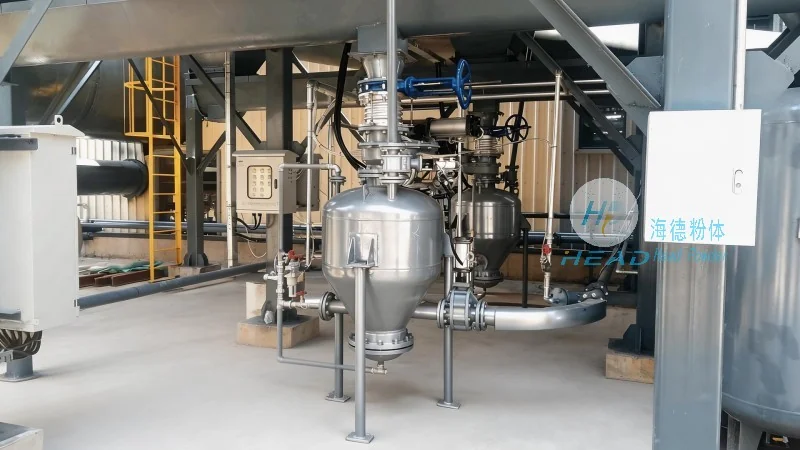
Shandong HeadPowder Engineering Co., Ltd., based in Shandong, China, is a professional provider of customized pneumatic conveying solutions for battery positive electrode materials. With years of experience in powder processing technology, the company offers tailored systems that meet the specific requirements of battery manufacturers. By combining advanced engineering design with rigorous quality control, HeadPowder ensures that its conveying systems deliver reliable performance and maintain the integrity of battery materials throughout the handling process. The company's commitment to innovation and customer satisfaction has made it a trusted partner in the battery industry, helping to enhance the efficiency and quality of material handling in battery production.




