For those in the feed processing industry, the efficient and reliable handling of soybean feed powders is crucial to maintaining production efficiency and product quality. Pneumatic conveying systems have emerged as a key technology for transporting bulk materials like soybean feed, offering advantages such as dust-free operation, flexible layout, and reduced maintenance compared to traditional methods. This article explores the working principles and typical application scenarios of soybean feed powder pneumatic conveying equipment, providing insights into how these systems enhance operational performance in feed production facilities.
Understanding the Core Principle of Pneumatic Conveying for Soybean Feed
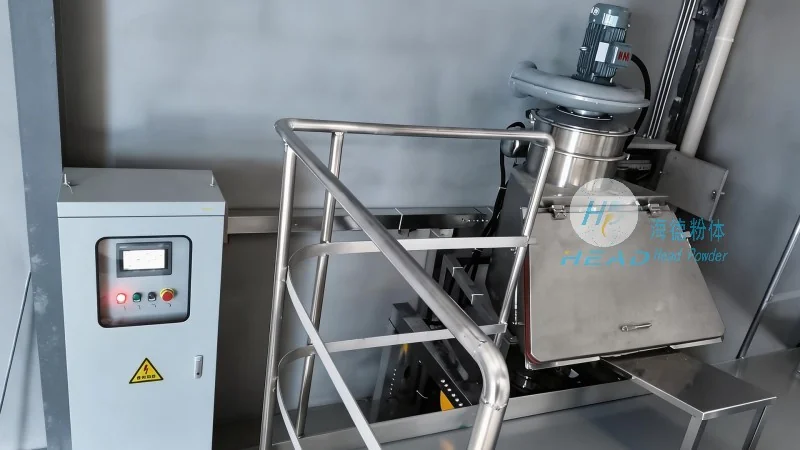
The fundamental principle of pneumatic conveying for soybean feed powders involves using air as the conveying medium to transport solid particles. The system typically consists of a feed hopper, a conveyor line, a separator, and a dust collector. When the feed material is introduced into the hopper, a fan or blower generates a flow of air that lifts and transports the soybean feed particles through the pipeline. The air velocity is carefully controlled to ensure that the particles are carried without excessive pressure drop or particle degradation. This method is particularly effective for fine powders, as it minimizes product contamination and preserves the nutritional integrity of the feed.
Key Components and Their Functions in the System
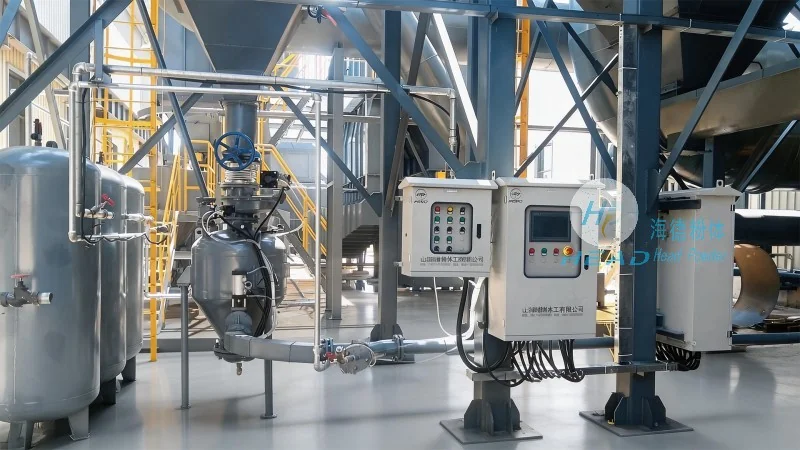
Several critical components work in tandem to ensure the smooth operation of soybean feed powder pneumatic conveying equipment. The feed hopper is designed to store and meter the feed material, often equipped with a rotary valve or screw feeder to regulate the flow rate. The conveyor line, usually made of stainless steel or other corrosion-resistant materials, is designed to withstand the abrasive nature of soybean feed powders. The fan or blower provides the necessary air pressure and flow rate, with options ranging from positive pressure systems (where air pushes the material) to negative pressure systems (where air pulls the material). The separator, often a cyclone or bag filter, separates the feed particles from the air stream, allowing the air to be recirculated or discharged while the feed is collected in a receiving bin. The dust collector ensures compliance with environmental regulations by capturing any fine particles that may escape the system.
Working Scene Characteristics and Application Scenarios
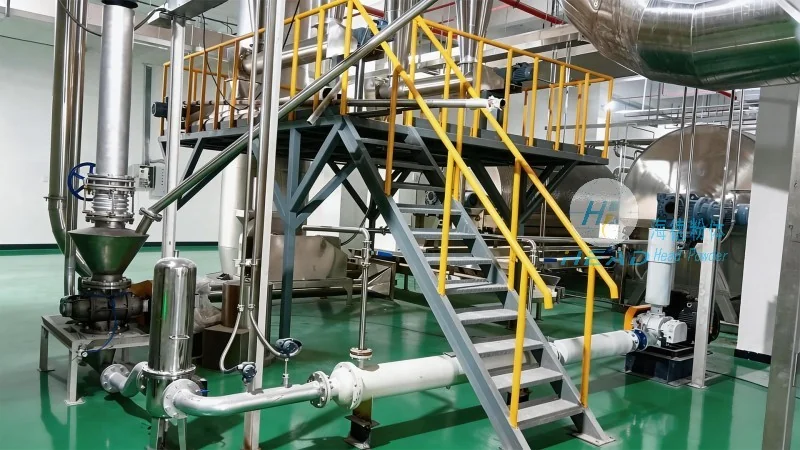
The working scene characteristics of soybean feed powder pneumatic conveying equipment are tailored to meet the specific demands of feed production facilities. One of the primary advantages is the ability to handle long-distance and high-rise conveying, which is essential for large-scale feed processing plants where feed storage and processing areas are separated by significant distances or elevation changes. The system's flexibility allows for easy integration with existing production lines, enabling seamless transfer of soybean feed from storage silos to mixing stations, or from processing units to packaging areas. Another key characteristic is the dust-free operation, which improves workplace safety and reduces the risk of product contamination, a critical factor in maintaining the quality of animal feed. The system also offers high throughput capabilities, allowing for continuous operation without frequent stops, which enhances overall production efficiency.
Typical Working Scenarios in Feed Production Facilities
In a typical feed production facility, soybean feed powder pneumatic conveying equipment is used in several key scenarios. For instance, in a large-scale feed mill, the system may be employed to transport soybean feed from bulk storage silos to the feed mixing line. The feed hopper is positioned above the silo, and the conveyor line connects to the mixing equipment, ensuring a steady supply of feed ingredients. Another scenario involves conveying soybean feed from a processing unit, such as a solvent extraction or extrusion plant, to a storage bin or packaging line. The system's ability to handle varying particle sizes and moisture content makes it suitable for different stages of feed production, from raw material handling to final product packaging. Additionally, the system can be used in feed manufacturing plants that require multiple conveying lines to distribute feed to different production batches or to different storage locations, enhancing operational flexibility and reducing downtime.
Benefits and Advantages for Feed Processing Operations
Implementing soybean feed powder pneumatic conveying equipment in feed processing facilities offers numerous benefits that directly impact operational efficiency and product quality. The primary advantage is the reduction in labor costs and maintenance requirements compared to traditional mechanical conveyors, as the system has fewer moving parts and requires less frequent cleaning. The dust-free operation also contributes to a safer working environment, reducing the risk of respiratory issues among workers and minimizing product contamination. Additionally, the system's ability to handle fine powders without degradation preserves the nutritional value of the soybean feed, which is critical for maintaining the health and performance of animals consuming the feed. The flexibility of the system allows for easy expansion or modification as production needs change, providing long-term value to the facility. Finally, the system's high throughput and continuous operation capabilities ensure that feed production remains uninterrupted, meeting the demands of a growing market.
Conclusion and Practical Considerations
Soybean feed powder pneumatic conveying equipment represents a sophisticated solution for the efficient handling of bulk feed materials in the feed processing industry. By understanding the working principles and application scenarios of these systems, feed manufacturers can optimize their operations, improve product quality, and enhance overall productivity. The key to successful implementation lies in selecting the appropriate system design, considering factors such as feed particle size, moisture content, and conveying distance, and ensuring proper maintenance and operation. As the demand for high-quality animal feed continues to grow, the adoption of advanced pneumatic conveying technology will remain essential for maintaining competitiveness and meeting industry standards. For feed processing facilities looking to enhance their operational efficiency, investing in a reliable soybean feed powder pneumatic conveying system is a strategic decision that can yield significant long-term benefits.




