HeadPowder, a leading engineering firm based in Shandong, China, specializes in the design and implementation of advanced material handling solutions. Among their portfolio is the sodium hydroxide material pneumatic conveying system, a technology that efficiently transports this caustic chemical while ensuring safety and operational efficiency. This article explores the fundamental principles behind this system and highlights the key working scene characteristics that make it a preferred choice in various industrial applications.
Understanding the Pneumatic Conveying Principle
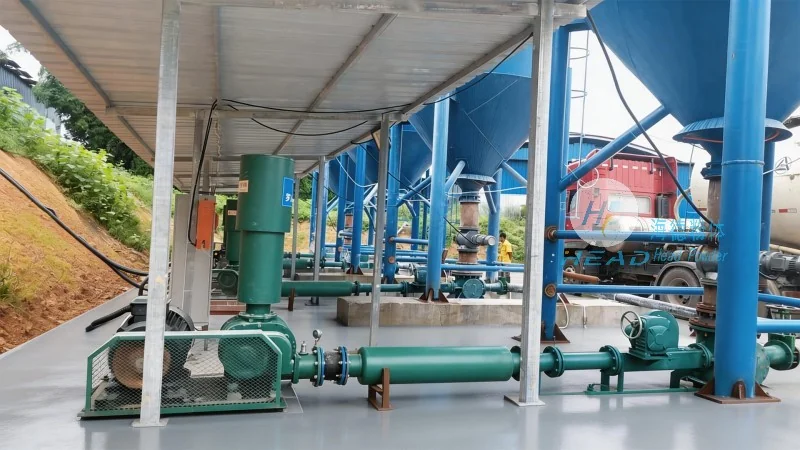
The core of the sodium hydroxide pneumatic conveying system lies in the use of air or other gases to transport the material through a pipeline. This method, known as pneumatic conveying, operates on the principle of creating a pressure differential between the conveying line and the ambient environment. By generating sufficient airflow, the system can lift, transport, and deposit the sodium hydroxide powder or granules from one location to another. The system typically consists of a hopper for material storage, a feeder to control the flow rate, a conveying line, and a receiver for the discharged material. The air is introduced either by a positive displacement blower or a rotary lobe pump, which provides the necessary pressure and velocity to move the material. The design of the system is tailored to handle the specific properties of sodium hydroxide, such as its reactivity and particle size, ensuring that the conveying process is both effective and safe.
Key Working Scene Characteristics
The sodium hydroxide material pneumatic conveying system is characterized by several distinct working scene features that enhance its applicability in industrial settings. Firstly, the system offers high flexibility in terms of layout and installation. Unlike traditional mechanical conveying systems, which require fixed infrastructure and complex alignment, pneumatic conveying can be configured to follow irregular paths, making it suitable for plants with limited space or complex layouts. This adaptability is particularly valuable in facilities where the material handling requirements change over time or where the plant layout is constrained by existing structures.
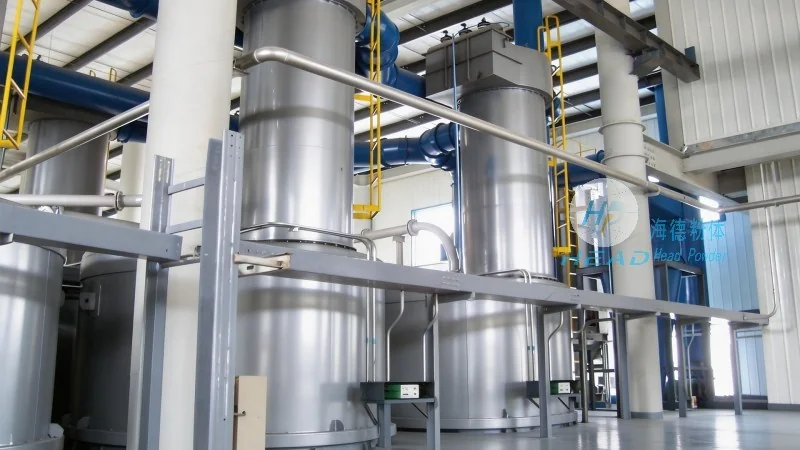
Secondly, the system provides excellent control over the material flow. The feeder unit, often a rotary valve or a screw feeder, allows for precise regulation of the sodium hydroxide feed rate, which is critical for maintaining consistent product quality and preventing overloading of downstream equipment. The pressure and flow rates can be monitored and adjusted in real-time, ensuring that the conveying process remains stable and efficient. This level of control is essential for processes that require tight tolerances, such as those in chemical manufacturing or pharmaceutical production.
Thirdly, the system ensures high safety standards. Sodium hydroxide is a caustic substance that can cause severe burns and environmental hazards if not handled properly. The pneumatic conveying system minimizes direct human contact with the material, reducing the risk of accidents. Additionally, the system is equipped with safety features such as pressure relief valves, explosion-proof components, and leak detection systems to prevent any potential hazards. The enclosed nature of the conveying line also helps to contain dust and fumes, protecting both the environment and the personnel working in the vicinity.
Fourthly, the system offers cost-effectiveness and energy efficiency. By eliminating the need for mechanical components like belts, chains, or buckets, the pneumatic conveying system reduces maintenance costs and operational downtime. The use of air as the conveying medium is also energy-efficient, as it can transport large volumes of material with relatively low energy consumption compared to other methods. Over time, this leads to significant cost savings for the industrial facility, making the system a financially viable option for long-term operation.
Applications and Operational Scenarios
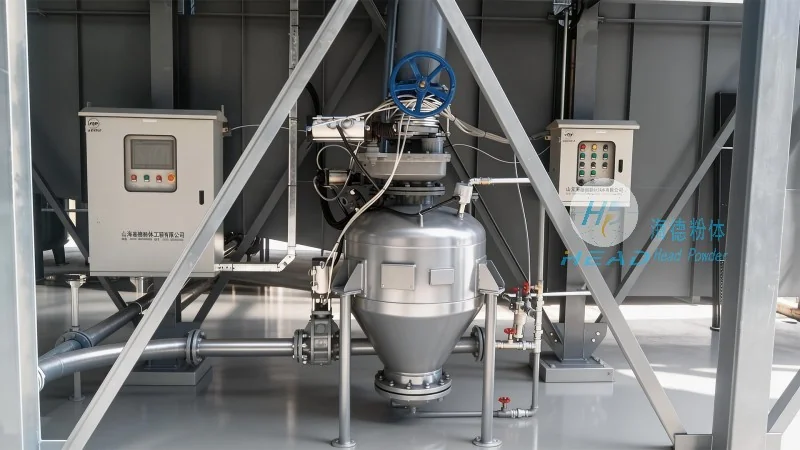
The sodium hydroxide material pneumatic conveying system is widely used in various industrial scenarios where the efficient and safe handling of caustic chemicals is paramount. One common application is in the chemical manufacturing industry, where sodium hydroxide is used as a raw material in the production of soaps, detergents, and other chemical products. The system is employed to transport the material from storage silos to processing units, ensuring a continuous and uninterrupted supply of the chemical. In this scenario, the system's ability to handle large volumes and maintain consistent flow rates is crucial for maintaining production efficiency.
Another operational scenario involves the use of the system in the pulp and paper industry. Sodium hydroxide is used in the pulping process to break down wood fibers and in the bleaching stage to remove impurities. The pneumatic conveying system is used to transport the chemical from storage tanks to the pulping and bleaching units, where it is mixed with water and applied to the wood chips. The system's ability to handle wet or damp material, as well as its resistance to corrosion, makes it suitable for this harsh environment. The system's enclosed design also helps to prevent the chemical from coming into contact with air, which could lead to degradation or safety issues.
In the food and beverage industry, sodium hydroxide is used as a cleaning agent and in the processing of certain food products. The pneumatic conveying system is employed to transport the material from storage containers to the cleaning equipment or processing lines. The system's hygienic design, with smooth surfaces and easy-to-clean components, ensures that the material remains free from contamination, meeting the stringent food safety regulations. The system's ability to handle fine powders and maintain a clean environment is essential for maintaining product quality and compliance with industry standards.
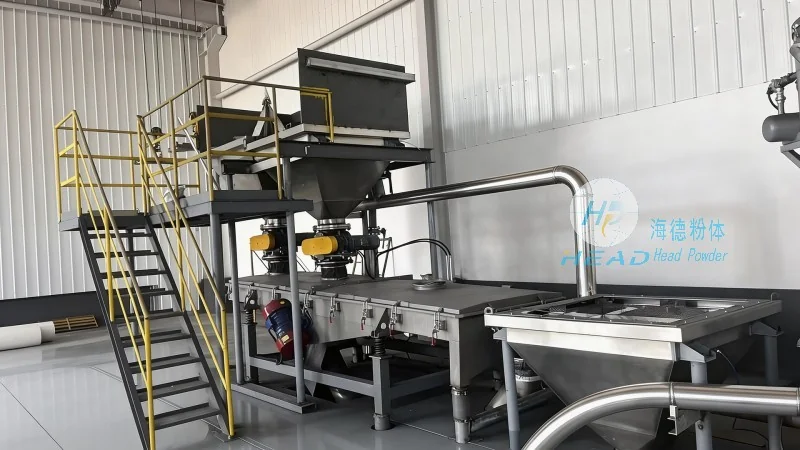
Furthermore, the system is used in the metal processing industry, where sodium hydroxide is used for metal cleaning and pickling operations. The system transports the chemical from storage tanks to the pickling tanks, where it is used to remove rust and scale from metal surfaces. The system's ability to handle corrosive materials and its robust construction make it suitable for this application. The system's enclosed design also helps to protect the environment from the release of harmful fumes and dust, ensuring compliance with environmental regulations.
Conclusion
The sodium hydroxide material pneumatic conveying system, developed and implemented by HeadPowder, is a sophisticated solution that combines efficiency, safety, and flexibility. By leveraging the principles of pneumatic conveying, the system effectively transports sodium hydroxide while minimizing risks and operational costs. The working scene characteristics, including its adaptability to various layouts, precise flow control, high safety standards, and energy efficiency, make it an ideal choice for a wide range of industrial applications. As industrial facilities continue to seek advanced material handling solutions, the sodium hydroxide pneumatic conveying system remains a reliable and effective option, ensuring the smooth and safe operation of processes that rely on this essential chemical.




