HeadPowder, a leading engineering company based in Shandong, China, specializes in the design, manufacturing, and implementation of advanced air-pneumatic conveying systems tailored for synthetic fiber materials. This article delves into the fundamental principles of these systems and highlights key application scenarios where they excel in material handling processes.
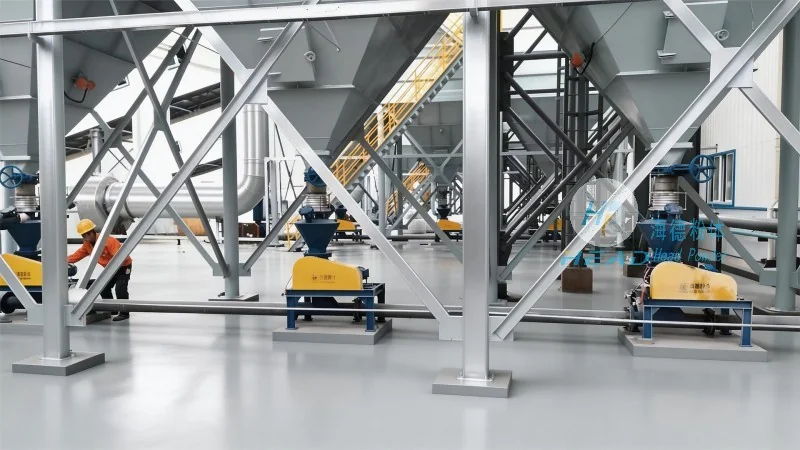
Understanding the Core Principles of Air-Pneumatic Conveying for Synthetic Fibers
At the heart of air-pneumatic conveying lines is the use of air as the primary medium to transport bulk materials, such as synthetic fibers, through a network of pipes. The system operates by creating a pressure differential between the inlet and outlet of the conveying line, which propels the material forward. There are two main types of air-pneumatic conveying systems: suction (or negative pressure) and pressure (or positive pressure) systems. Suction systems use a vacuum to draw material from the source, making them ideal for applications where the material needs to be collected from multiple points or over a long distance. Pressure systems, on the other hand, use compressed air to push material through the pipeline, offering higher conveying speeds and the ability to handle more abrasive or heavier materials. For synthetic fibers, which are often lightweight and delicate, suction systems are commonly preferred due to their gentler handling characteristics, minimizing fiber breakage and maintaining product integrity.
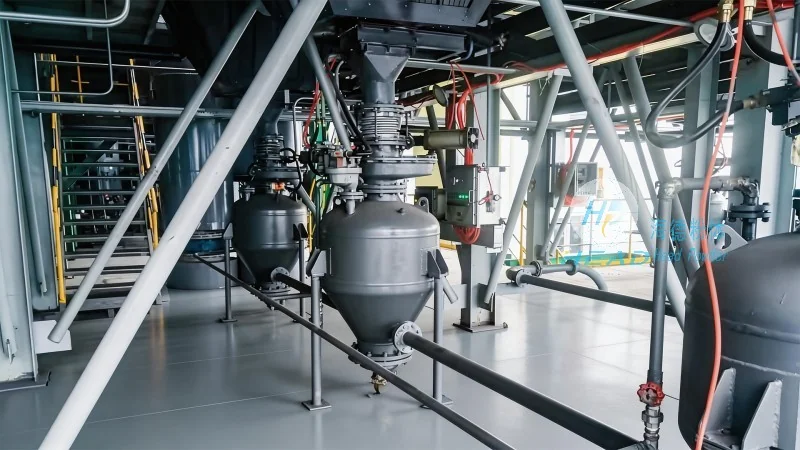
Key Application Scenarios in the Synthetic Fiber Industry
The versatility of air-pneumatic conveying lines makes them indispensable in various stages of synthetic fiber production and processing. One primary application is in the initial raw material handling phase, where synthetic fibers are transported from storage silos or bulk containers to the production line. This ensures a continuous and efficient flow of materials, reducing downtime and improving overall production efficiency. Another critical scenario is during the blending and mixing processes, where different types of synthetic fibers are combined to achieve specific performance characteristics, such as strength, flexibility, or color. The air-pneumatic system allows for precise control over the flow rates and mixing ratios, ensuring consistent product quality. Furthermore, these systems are widely used in the finishing and packaging stages, where fibers are conveyed to drying, coating, or cutting equipment before being packaged for distribution. The ability to handle fine powders and fibers without the need for mechanical components makes air-pneumatic conveying a preferred choice in these applications.
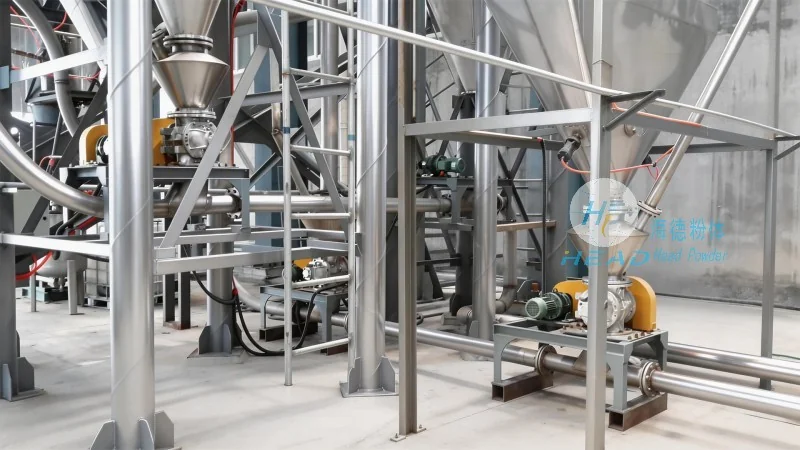
Advantages of Air-Pneumatic Conveying for Synthetic Fiber Handling
Compared to traditional mechanical conveying methods, air-pneumatic systems offer several advantages that are particularly beneficial for synthetic fiber materials. First, they provide a dust-free and hygienic environment, which is crucial for maintaining the quality and purity of synthetic fibers, especially those used in textile and medical applications. The enclosed pipeline system prevents contamination from external sources and reduces the risk of material degradation due to exposure to air or moisture. Second, air-pneumatic conveying is highly flexible and adaptable to different production layouts. The modular design of the system allows for easy integration with existing equipment and can be expanded or reconfigured as production needs change. This flexibility is particularly valuable in the synthetic fiber industry, where product lines and production volumes may vary over time. Third, these systems are energy-efficient and cost-effective in the long run. While the initial investment may be higher than some mechanical systems, the reduced maintenance costs and lower energy consumption over time make them a more economical choice for large-scale operations. Additionally, the gentle handling of fibers minimizes material loss and reduces the need for reprocessing, further enhancing cost savings.
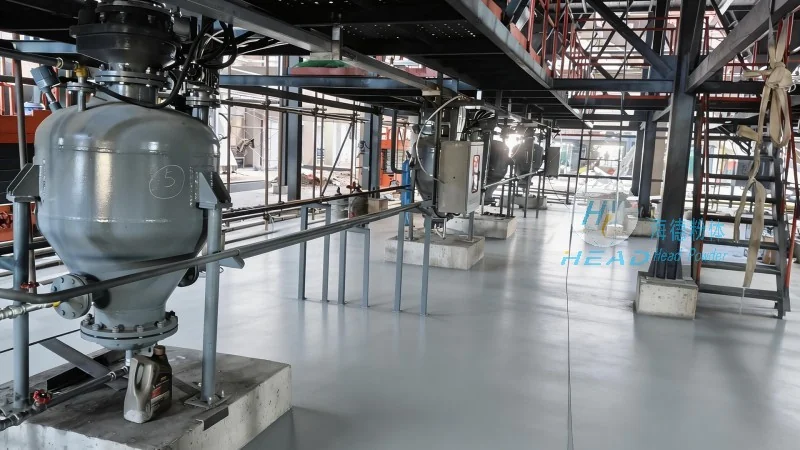
HeadPowder's Expertise in Designing and Implementing Air-Pneumatic Conveying Solutions
As a reputable engineering company based in Shandong, China, HeadPowder has extensive experience in designing and implementing air-pneumatic conveying systems for synthetic fiber applications. The company's team of engineers and technicians works closely with clients to understand their specific material handling challenges and production requirements. By leveraging advanced engineering software and simulation tools, HeadPowder can model and optimize the conveying system to ensure maximum efficiency and minimal material degradation. The company also provides comprehensive after-sales support, including system maintenance, troubleshooting, and performance monitoring, to ensure the longevity and reliability of the equipment. With a focus on quality and customer satisfaction, HeadPowder has built a strong reputation in the industry for delivering reliable and efficient air-pneumatic conveying solutions that meet the unique needs of synthetic fiber manufacturers.




