HeadPowder, a leading engineering firm based in Shandong, China, specializes in the design and implementation of advanced material handling systems. Among their portfolio is the rapeseed material pneumatic conveying line, a sophisticated solution tailored for the efficient transport of rapeseed and related agricultural products. This article delves into the fundamental principles of such systems and highlights the key characteristics of their operational environments.
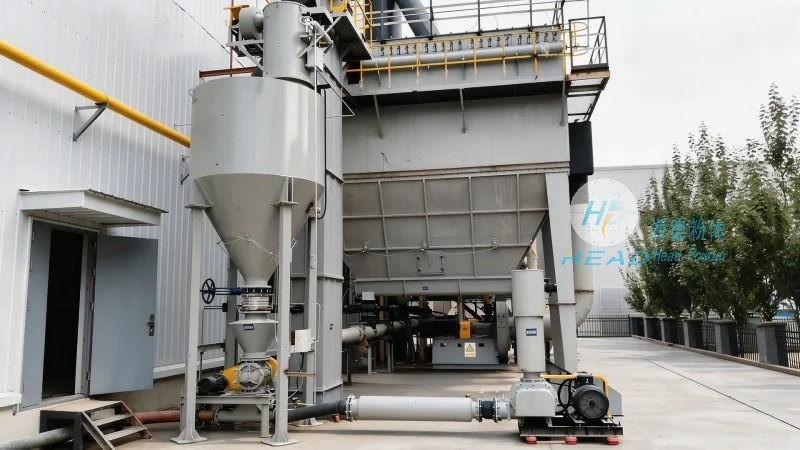
Understanding the Core Principles of Pneumatic Conveying for Rapeseed
The pneumatic conveying line operates on the principle of using air as a medium to transport solid materials, such as rapeseed, through a pipeline network. This method, known as pneumatic conveying, eliminates the need for mechanical components like belts or rollers that are common in traditional bulk material handling. The system typically consists of a hopper for material storage, a blower or compressor to generate airflow, a pipeline system for material transport, and a receiver or discharge point for the material. The air flow, often under pressure, propels the rapeseed particles through the pipeline, ensuring a continuous and controlled movement from the source to the destination.
Key to the efficiency of this system is the balance between air velocity and material density. The velocity must be sufficient to overcome the friction and gravitational forces acting on the rapeseed particles, preventing them from settling or clogging the pipeline. HeadPowder engineers meticulously calculate these parameters to ensure optimal performance, minimizing energy consumption while maximizing throughput. The design also incorporates features like air filtration and moisture control to maintain the quality of the rapeseed during transport, which is crucial for downstream processing and storage.
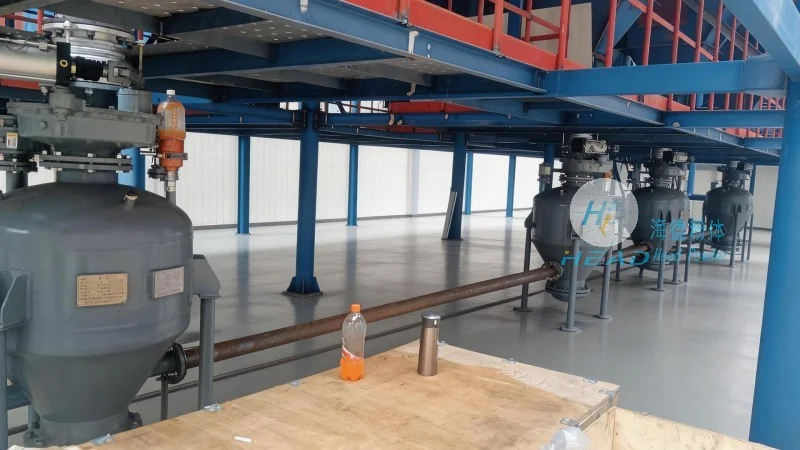
Working Scene Characteristics of Rapeseed Pneumatic Conveying Lines
The operational environment of a rapeseed pneumatic conveying line is characterized by several distinct features that influence its design and functionality. Firstly, the system is typically deployed in agricultural processing facilities, such as oil mills or seed processing plants, where large volumes of rapeseed are handled regularly. These environments often require high throughput capabilities, as the conveying line must handle the volume of raw material efficiently to support production schedules.
Secondly, the material characteristics of rapeseed play a significant role in determining the system's design. Rapeseed is a relatively light and fine-grained material, which can lead to issues like dust generation and potential blockages if not handled properly. The conveying line is equipped with specialized components, such as rotary valves and airlocks, to manage the material flow and prevent clogging. Additionally, the system may include dust collection and filtration systems to maintain air quality and comply with environmental regulations.
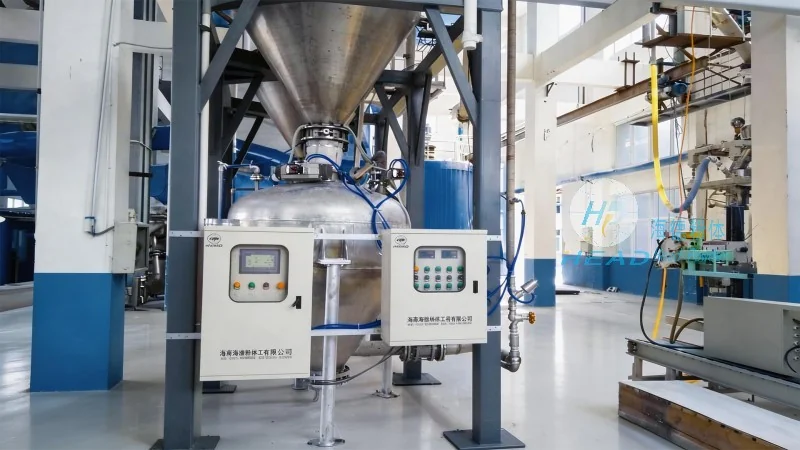
Thirdly, the operational flexibility of the system is a critical characteristic. Many rapeseed processing plants require the ability to transport material to multiple destinations, such as storage silos, processing units, or packaging areas. The pneumatic conveying line can be configured with branching pipelines and control valves that allow for the routing of material to different locations as needed. This flexibility enhances the overall efficiency of the processing plant by reducing downtime and improving operational agility.
Application Scenarios and Operational Advantages
The rapeseed material pneumatic conveying line is widely used in various industrial applications within the agricultural processing sector. One primary application is in oil extraction facilities, where the system transports rapeseed from storage silos to the extraction machinery. The continuous and dust-free transport ensures that the material reaches the extraction units in optimal condition, improving the efficiency of the oil extraction process and maintaining product quality.
Another common application is in seed processing and packaging operations. The conveying line can transport processed rapeseed seeds to packaging lines or storage areas, where they are prepared for distribution to farmers or other end-users. The system's ability to handle fine-grained materials without degradation makes it suitable for maintaining the integrity of the seeds during transport.
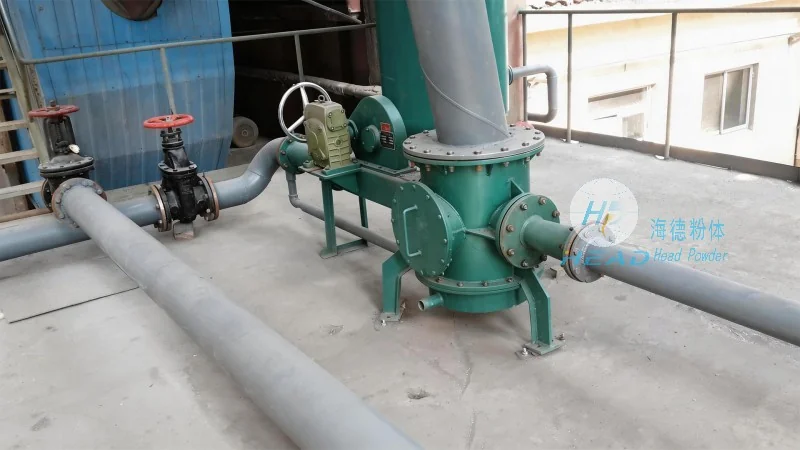
Furthermore, the operational advantages of pneumatic conveying over traditional methods are significant. The system offers a dust-free and hygienic environment, which is essential for food processing applications. It also reduces the risk of material contamination and improves workplace safety by eliminating the need for manual handling of bulk materials. The compact design of the pipeline system allows for efficient use of space in processing facilities, making it suitable for both new installations and retrofitting into existing plants.
Conclusion and Company Expertise
HeadPowder Engineering Co., Ltd., with its headquarters in Shandong, China, has established itself as a trusted provider of advanced material handling solutions, including rapeseed pneumatic conveying lines. The company's expertise lies in the integration of cutting-edge technology with practical engineering solutions to meet the specific needs of agricultural processing industries. By understanding the unique characteristics of rapeseed and the operational demands of processing facilities, HeadPowder designs and implements conveying systems that offer high efficiency, reliability, and durability. The company's commitment to quality and customer satisfaction ensures that their pneumatic conveying lines not only meet but exceed industry standards, providing long-term value to their clients in the agricultural sector.




