HeadPowder, a leading engineering firm based in Shandong, China, specializes in the design and implementation of advanced material handling systems. One of their core offerings is the pneumatic conveying line specifically engineered for synthetic rubber materials. This article delves into the fundamental principles behind such systems and highlights the key characteristics of their operational environments.
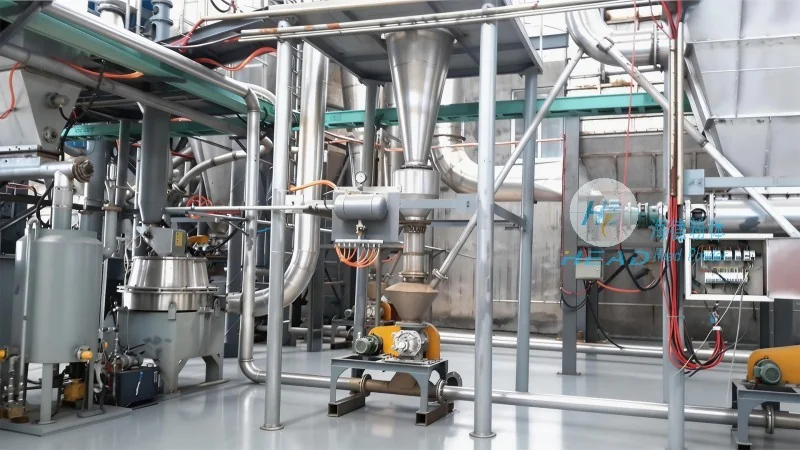
Understanding the Core Principle of Synthetic Rubber Pneumatic Conveying
The pneumatic conveying line for synthetic rubber materials operates on the principle of transporting bulk materials through a pipeline using a pressurized or vacuum air stream. Unlike traditional mechanical conveyors, this system relies on air to move the material, which is particularly advantageous for handling fine or dusty synthetic rubber powders and granules. The process typically involves a hopper or feeder that feeds the rubber material into a pipeline, where it is carried by the air flow. The air pressure or vacuum created within the system ensures the material is moved efficiently and safely, minimizing the risk of material degradation or contamination.
Key Working Scene Characteristics of Synthetic Rubber Pneumatic Conveying Lines
The operational environment of synthetic rubber pneumatic conveying lines is tailored to the specific demands of the rubber processing industry. These systems are commonly found in manufacturing facilities where synthetic rubber is processed into various products, such as tires, seals, and other industrial components. The working scene characteristics include:
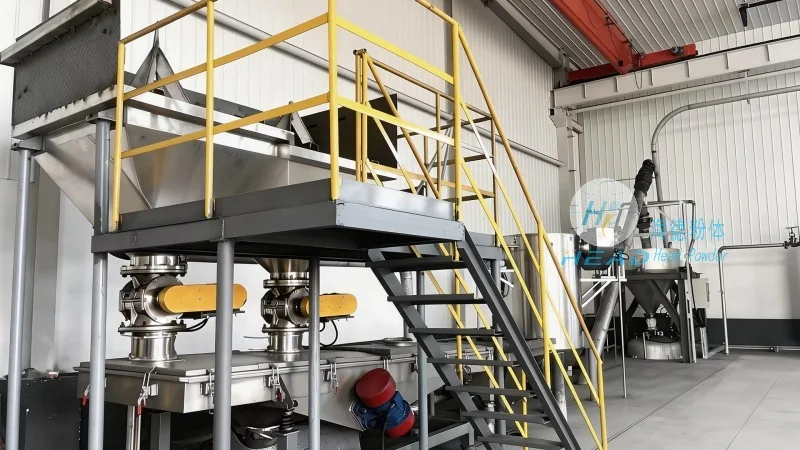
1. **Material Handling Efficiency**: The primary characteristic is the high efficiency in moving large volumes of synthetic rubber materials over long distances without the need for multiple transfer points. This reduces downtime and improves overall production throughput.
2. **Space Optimization**: Pneumatic conveying lines are often installed in compact spaces, making them suitable for facilities with limited floor area. The flexible pipeline design allows for easy integration into existing production layouts.
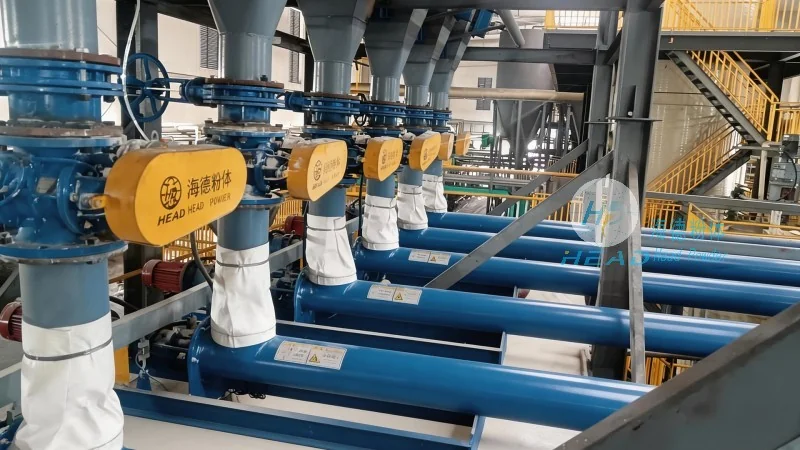
3. **Environmental Control**: These systems are designed to maintain a controlled environment, preventing dust dispersion and ensuring compliance with industrial hygiene standards. The enclosed pipeline reduces the risk of material exposure to contaminants and minimizes the impact on the surrounding workspace.
4. **Maintenance and Durability**: The components of the pneumatic conveying line, such as the hopper, feeder, and pipeline, are constructed from materials resistant to the corrosive and abrasive properties of synthetic rubber. This ensures long-term durability and reduces maintenance frequency, contributing to lower operational costs.
Application Scenarios in Rubber Manufacturing
HeadPowder's pneumatic conveying lines for synthetic rubber are widely applied in various stages of rubber processing. For instance, in the initial mixing stage, the system efficiently transports raw synthetic rubber powders from storage silos to the mixing machines. During the compounding process, it moves the compounded rubber materials to the extrusion or molding equipment. In the final production stage, the system can transport finished rubber products or waste materials for recycling, ensuring a seamless flow of materials throughout the entire production cycle.
Advantages of Choosing HeadPowder's Pneumatic Conveying Solutions
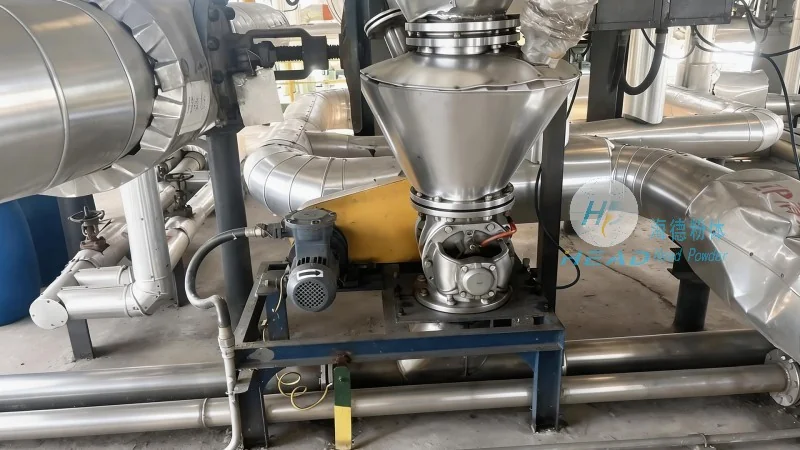
When selecting a pneumatic conveying line for synthetic rubber applications, companies benefit from HeadPowder's expertise and tailored solutions. The company's engineers conduct thorough assessments of the material properties, production requirements, and facility constraints to design a system that meets specific operational needs. The advantages include enhanced productivity, reduced labor costs, improved safety, and compliance with industry standards. Additionally, the modular design of the conveying lines allows for easy expansion or modification as production demands evolve.
Conclusion
HeadPowder Engineering Co., Ltd., based in Shandong, China, provides reliable and efficient pneumatic conveying lines for synthetic rubber materials. By understanding the core principles and operational characteristics of these systems, manufacturers can optimize their material handling processes, enhance productivity, and ensure compliance with industry standards. The advanced engineering and tailored solutions offered by HeadPowder make them a trusted partner in the rubber processing industry.




