HeadPowder, a leading provider of industrial material handling solutions, specializes in the design and implementation of advanced pneumatic conveying systems. A key component in many of these systems is the gravity dust removal line, which plays a critical role in efficiently transporting fine particulate materials while maintaining air quality and system efficiency. This article explores the fundamental principles behind gravity dust removal material pneumatic conveying lines and highlights the specific characteristics of their operational environments.
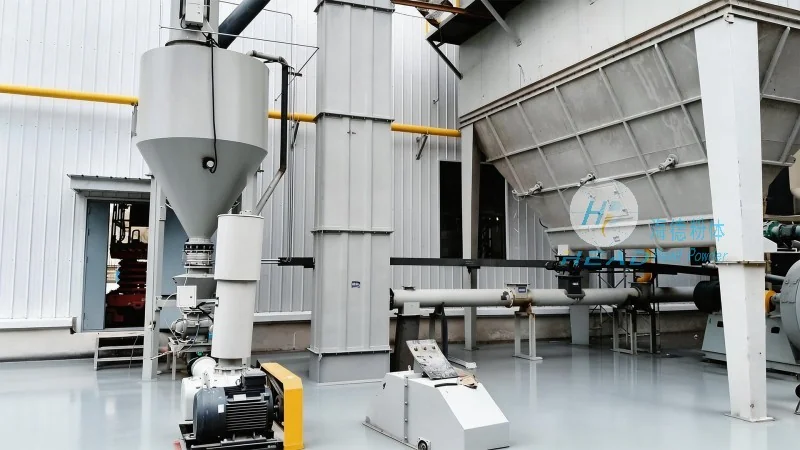
Overview of Gravity Dust Removal Material Pneumatic Conveying Lines
Gravity dust removal material pneumatic conveying lines are engineered to transport dry, fine particulate materials such as dust, powders, and granules through a pipeline using air as the conveying medium. The system typically integrates a gravity dust collector or separator at the inlet or along the pipeline to remove larger particles and contaminants from the air stream, ensuring that only the desired material is conveyed to the destination. This approach combines the benefits of pneumatic transport—such as the ability to move materials over long distances, vertical or horizontal, and through complex layouts—with the efficiency of gravity separation to enhance overall system performance.
The Core Principle of Gravity Dust Removal
The principle of gravity dust removal in these systems revolves around the use of a separator or collector that relies on the difference in particle size and density to separate larger, heavier particles from the air stream. As the material-laden air enters the separator, larger particles fall due to gravity and are collected in a hopper or bin, while the finer particles and air continue through the pipeline to the discharge point. This separation process is crucial for maintaining the purity of the conveyed material and preventing clogging or damage to downstream equipment. The design of the separator, including its size, angle, and air flow rate, is carefully optimized to achieve the highest possible separation efficiency without causing excessive pressure drops or energy consumption.
Key Working Scene Characteristics
The operational characteristics of gravity dust removal material pneumatic conveying lines are closely tied to the specific industrial applications and environmental conditions in which they are deployed. These systems are commonly used in industries such as power generation, cement production, chemical processing, and food processing, where the handling of fine dust and powders is a regular requirement. The working scene characteristics can be broadly categorized into several key aspects:
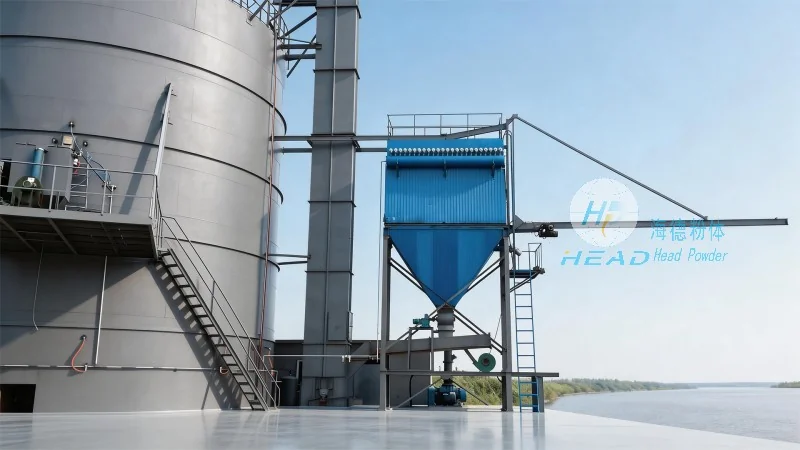
1. Material Compatibility and Handling
One of the primary characteristics of these systems is their ability to handle a wide range of materials, from low-density powders like flour or cement to higher-density particulates like coal ash or metal powders. The design of the conveying line, including the pipeline diameter, material of construction (e.g., stainless steel, plastic, or coated steel), and the type of air compressor or blower used, is tailored to the specific properties of the material being transported. For example, systems handling abrasive materials may incorporate special wear-resistant components to extend the lifespan of the equipment. The gravity dust removal component is also adapted to the material's particle size distribution, ensuring that the separator can effectively capture the larger particles while allowing the finer ones to pass through.
2. System Layout and Installation
The working scene characteristics also include the physical layout and installation requirements of the conveying line. These systems can be configured in various configurations, including horizontal, vertical, or a combination of both, depending on the plant layout and the need to transport materials over vertical distances. The integration of the gravity dust collector into the system is a critical design consideration, as it must be positioned to allow for proper particle separation and material discharge. In many industrial settings, the conveying line may need to navigate around existing equipment or structural obstacles, requiring flexible or adjustable components to maintain a smooth flow. The installation process typically involves careful alignment of the pipeline, proper sealing of joints to prevent air leaks, and the secure mounting of the dust collector and other components to ensure stability during operation.
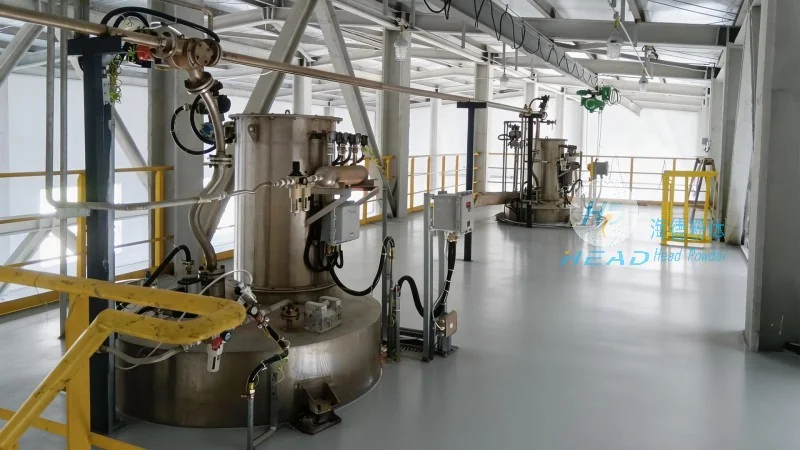
3. Operational Efficiency and Maintenance
Efficiency and ease of maintenance are key characteristics that define the working scene of gravity dust removal material pneumatic conveying lines. The system is designed to operate with minimal pressure drop across the separator and pipeline, which helps to reduce energy consumption and extend the life of the air compressor. Regular maintenance is essential to ensure optimal performance, including cleaning the dust collector hopper, checking for blockages in the pipeline, and inspecting the air compressor for wear and tear. The design of the system often incorporates features that facilitate maintenance, such as easy access to the separator for cleaning and the use of quick-release fittings for pipeline disassembly. In industrial environments where downtime is costly, these systems are engineered to minimize maintenance intervals and provide reliable operation over extended periods.
4. Environmental and Safety Considerations
Working in industrial environments demands that gravity dust removal material pneumatic conveying lines meet strict environmental and safety standards. The system is designed to minimize dust emissions and air pollution, with the gravity dust collector playing a vital role in capturing particulate matter before it is released into the atmosphere. This helps to comply with local regulations and protect the health of workers and the surrounding community. Additionally, the system incorporates safety features such as pressure relief valves to prevent over-pressurization and emergency shut-off mechanisms in case of equipment failure. The materials used in the construction of the pipeline and components are selected for their resistance to corrosion and chemical exposure, ensuring long-term durability and safety in harsh industrial settings.
Conclusion
Gravity dust removal material pneumatic conveying lines represent a sophisticated solution for the efficient and reliable transport of fine particulate materials in a variety of industrial applications. By combining the principles of pneumatic transport with gravity separation, these systems offer a cost-effective and environmentally friendly alternative to traditional material handling methods. The working scene characteristics of such systems are tailored to the specific needs of each industrial environment, ensuring optimal performance, efficiency, and safety. As a leading provider of industrial material handling solutions, HeadPowder continues to innovate in the design and implementation of these systems, helping clients across China and beyond to achieve their material handling goals with precision and reliability.




