HeadPowder, a leading engineering solutions provider based in Shandong, China, specializes in the design and implementation of advanced material handling systems. One of their key offerings is the pneumatic conveying line specifically engineered for the transport of anhydrous sodium sulfate, a critical chemical widely used in industries such as glass manufacturing, paper production, and chemical processing. This article explores the fundamental principles behind such a system and highlights the unique characteristics of its operational environments.
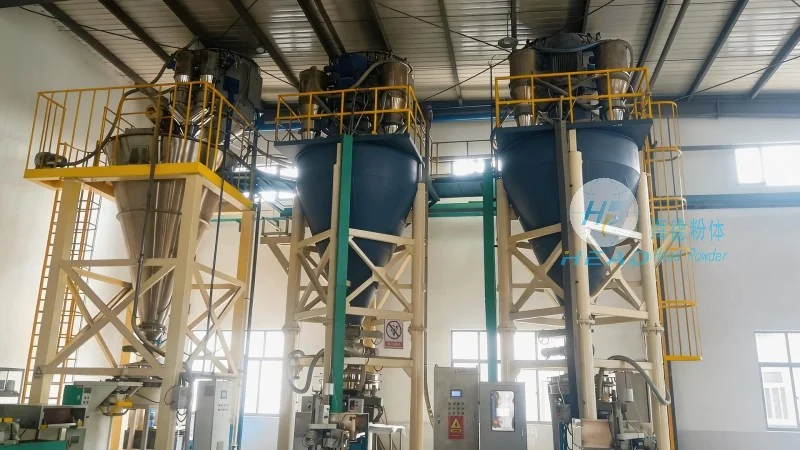
Understanding the Pneumatic Conveying Principle
The core of a pneumatic conveying line is the method of transporting bulk materials through a pipeline using a gas stream, typically air. In the case of anhydrous sodium sulfate, the system operates by creating a pressure differential within the pipeline. This can be achieved through either positive pressure (where air is blown into the system to push the material) or negative pressure (where air is drawn out, creating a vacuum that pulls the material). The choice between these methods depends on factors like material properties, distance of transport, and the need for dust control. For anhydrous sodium sulfate, which is a fine to medium-grained powder, positive pressure systems are often preferred due to their ability to handle high material loads and maintain consistent flow rates. The system typically includes components such as a hopper for material storage, a rotary valve for controlled discharge, a conveyor pipeline, and a dust collector to ensure environmental compliance. The air flow is regulated by a blower or fan, and the entire setup is designed to minimize material degradation and maximize efficiency.
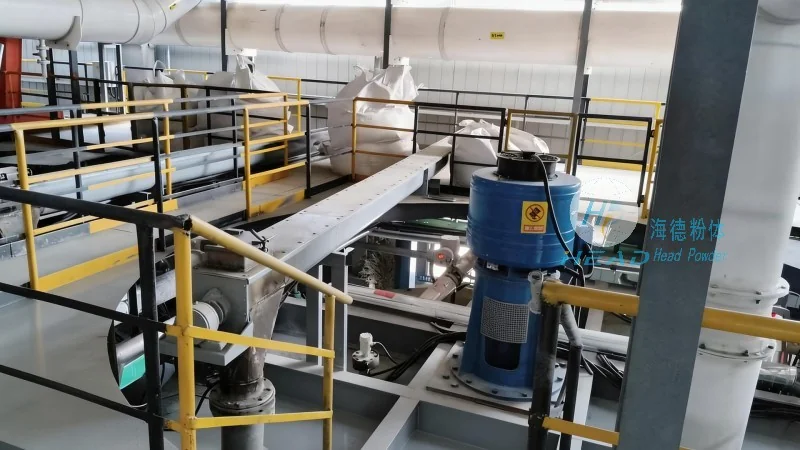
Key Working Scene Characteristics
The operational environment of a pneumatic conveying line for anhydrous sodium sulfate is characterized by several distinct features that influence its design and performance. First, the material's physical properties play a crucial role. Anhydrous sodium sulfate is hygroscopic but stable under normal conditions, which means the system must be sealed to prevent moisture ingress and maintain material quality. The conveying line is often integrated into larger production facilities where space is limited, requiring compact and flexible designs. For example, in a glass manufacturing plant, the line may connect a storage silo to a furnace, requiring precise control over material flow to match production demands. In paper mills, the system might transport the chemical to a coating or bleaching stage, where uniform distribution is essential for product quality. Another key characteristic is the need for dust control. Since anhydrous sodium sulfate is a fine powder, dust generation during handling can be significant. The system incorporates dust collectors and filtration systems to ensure compliance with environmental regulations and to protect equipment and personnel. Additionally, the line must be designed for easy maintenance and cleaning, as the material can sometimes adhere to surfaces. The operational environment also includes considerations for temperature and humidity, as these factors can affect the material's flow characteristics and the system's performance. Overall, the working scene is dynamic, with varying production rates and material loads, necessitating a robust and adaptable conveying solution.
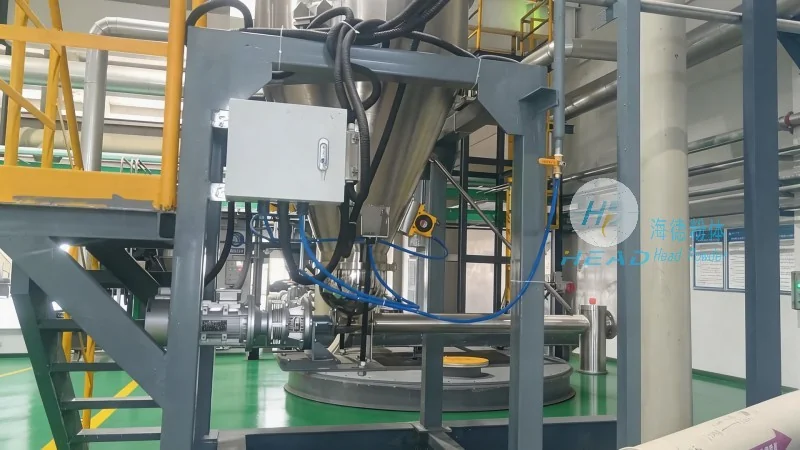
Advantages and Applications in Industrial Settings
The pneumatic conveying line for anhydrous sodium sulfate offers several advantages that make it a preferred choice in industrial applications. One of the primary benefits is the ability to transport materials over long distances without the need for intermediate storage or transfer points. This reduces the risk of material contamination and ensures a continuous flow of production. The system is also highly efficient in terms of energy consumption, as it minimizes material handling time and labor costs. Furthermore, it provides a clean and hygienic method of material transport, which is critical in industries where product purity is paramount, such as pharmaceuticals or food processing. The flexibility of the system allows for easy integration into existing production lines, with minimal disruption to operations. In the case of anhydrous sodium sulfate, the line is particularly useful in processes where the chemical needs to be added at specific points in the production cycle, such as in the manufacturing of detergents or in the treatment of wastewater. The system's ability to handle varying material loads and flow rates makes it suitable for both batch and continuous production processes. Additionally, the use of positive pressure systems ensures that the material is transported in a controlled manner, reducing the risk of blockages or clogging in the pipeline. This reliability is essential for maintaining production uptime and minimizing downtime for maintenance or repairs.
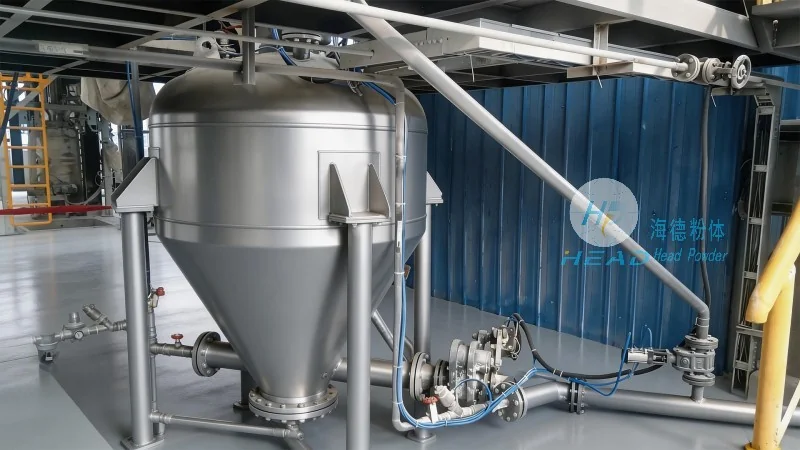
Conclusion and Company Expertise
In conclusion, the pneumatic conveying line for anhydrous sodium sulfate is a sophisticated engineering solution that combines principles of fluid dynamics and material handling to achieve efficient and reliable transport. The system's design and operation are tailored to the specific characteristics of the material, ensuring optimal performance in various industrial settings. HeadPowder, with its headquarters in Shandong, China, has extensive experience in designing and implementing such systems, leveraging advanced technology and industry best practices. Their expertise ensures that the conveying line not only meets the technical requirements of the application but also adheres to environmental and safety standards. By understanding the principles and working scene characteristics of this system, industries can enhance their production efficiency, reduce operational costs, and improve overall product quality. The integration of such a system into existing facilities demonstrates a commitment to modern, sustainable, and effective material handling practices.




