HeadPowder, a leading engineering company based in Shandong, China, specializes in the design, manufacturing, and implementation of advanced pneumatic conveying systems for micron powders. This article provides a detailed overview of the operation process and working principle of such systems, highlighting the technical aspects and practical applications that define modern powder handling solutions.
Introduction to Micron Powder Pneumatic Conveying
Micron powders, typically defined as particles with a diameter ranging from 1 to 100 micrometers, present unique challenges in material handling due to their fine size, high surface area, and potential for static charge accumulation. Traditional bulk material handling methods, such as belt conveyors or screw conveyors, are often unsuitable for these delicate powders as they can cause agglomeration, segregation, or loss of material through dust generation. Pneumatic conveying offers a solution by using compressed air to transport powders in a closed system, minimizing exposure to the environment and preserving the integrity of the material.
Key Components of a Micron Powder Pneumatic Conveying System
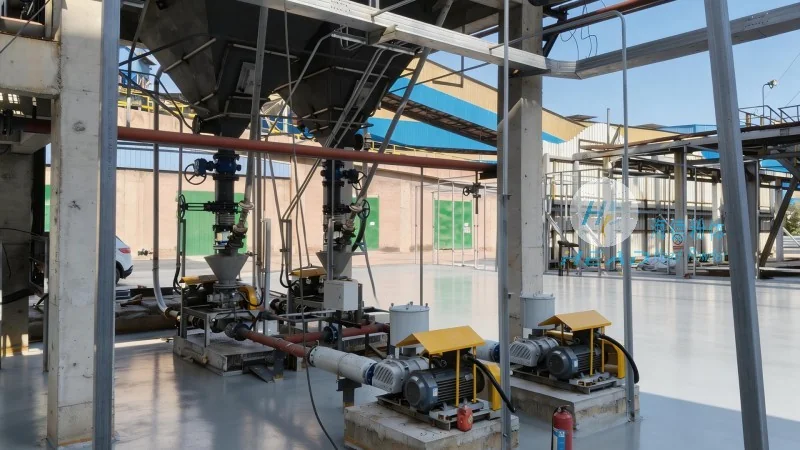
A typical micron powder pneumatic conveying system consists of several critical components that work in concert to ensure efficient and reliable material transport. These components include the following:
- Feeder: The feeder is responsible for introducing the micron powder into the conveying line at a controlled rate. For fine powders, a rotary valve or a star feeder is commonly used to prevent blockages and maintain a consistent flow.
- Conveying Line: The conveying line, often made of stainless steel or other corrosion-resistant materials, serves as the pathway for the powder and air mixture. The design of the line, including bends, elbows, and straight sections, is optimized to minimize pressure drop and prevent powder deposition.
- Compressor and Air Treatment: A high-pressure air compressor provides the necessary air pressure to move the powder. The air is typically filtered and dried to remove moisture and contaminants that could affect the powder quality or cause corrosion in the system.
- Separation and Collection: At the discharge end, a separator or cyclone separates the powder from the air stream. The collected powder is then discharged into a storage bin or processing unit, while the clean air is either vented or recirculated after filtration.
- Control System: Modern pneumatic conveying systems are equipped with advanced control systems that monitor pressure, flow rate, and other parameters in real-time. These systems allow for automatic adjustments to maintain optimal operation and prevent system failures.
The Operation Process of Micron Powder Pneumatic Conveying
The operation process of a micron powder pneumatic conveying system involves several sequential steps, each designed to ensure efficient and safe material transport. The following is a step-by-step breakdown of the process:
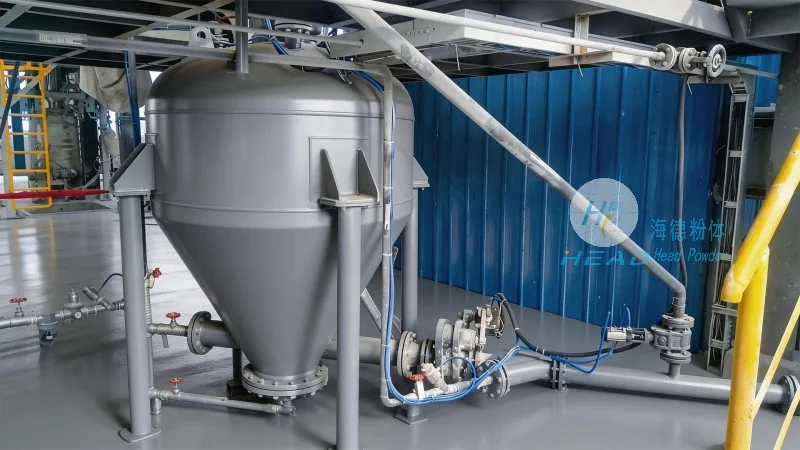
- Powder Loading: The micron powder is loaded into the hopper or storage silo from which it will be fed into the system. The hopper is equipped with a level sensor to monitor the powder inventory and trigger feeding when the level drops below a certain threshold.
- Feeding and Air Injection: The feeder opens and releases a controlled amount of powder into the conveying line. Simultaneously, compressed air is injected into the line at a specific pressure and flow rate. The air and powder mixture travels through the line due to the pressure differential created by the compressor.
- Transport and Mixing: As the mixture moves through the conveying line, the air and powder are thoroughly mixed. The design of the line, including the use of static mixers or special elbows, ensures that the powder particles are evenly suspended in the air stream, preventing agglomeration and maintaining a consistent flow.
- Separation and Discharge: At the discharge end, the mixture enters a separator or cyclone. The centrifugal force in the separator causes the heavier powder particles to separate from the air and fall into the collection bin. The clean air is then either vented to the atmosphere or recirculated through a filter to be reused in the system.
- System Monitoring and Control: Throughout the operation, the control system continuously monitors key parameters such as pressure, flow rate, and temperature. Any deviations from the set points are automatically corrected by adjusting the feeder speed or air pressure, ensuring stable and efficient operation.
Working Principle of Micron Powder Pneumatic Conveying
The working principle of micron powder pneumatic conveying is based on the fundamental concept of fluidization and suspension of solid particles by a gas stream. When compressed air is introduced into the conveying line, it creates a low-pressure zone that draws the powder from the feeder into the line. The air velocity is maintained above the minimum fluidization velocity of the powder, which is the speed at which the powder particles are fully suspended and transported as a homogeneous mixture.
The key to efficient pneumatic conveying is achieving the right balance between air pressure and flow rate. If the air pressure is too low, the powder may not be fully suspended, leading to blockages or uneven flow. Conversely, if the air pressure is too high, excessive energy consumption and potential damage to the system components may occur. The system design, including the size of the conveying line, the number of bends, and the type of separator, is carefully optimized to achieve this balance and maximize the conveying efficiency.
Advantages of Micron Powder Pneumatic Conveying
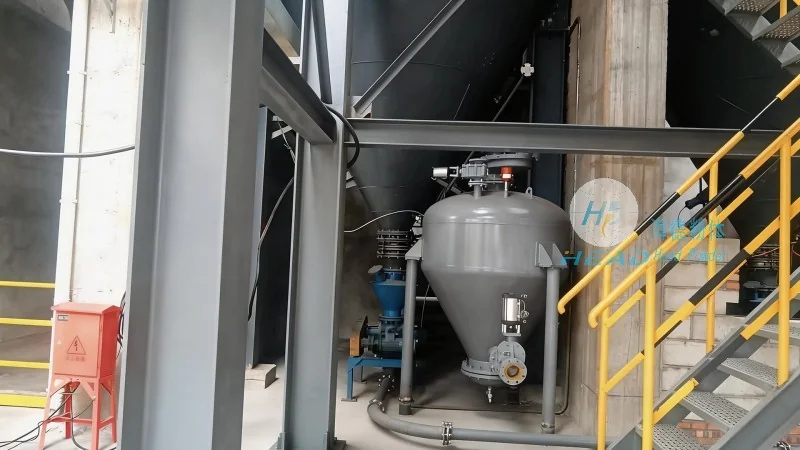
Micron powder pneumatic conveying offers several advantages over traditional material handling methods, making it the preferred choice for many industries. These advantages include:
- Minimal Material Loss: The closed system design prevents dust and powder loss, ensuring that the material is handled with high efficiency and minimal waste.
- Preservation of Material Integrity: By avoiding direct contact with mechanical components and minimizing exposure to the environment, the system preserves the quality and properties of the micron powder, such as its flowability, moisture content, and chemical stability.
- Flexibility and Scalability: Pneumatic conveying systems can be easily adapted to handle different types of micron powders and can be scaled up or down to meet the needs of various production capacities.
- Reduced Maintenance: The absence of moving parts in the conveying line reduces the risk of mechanical failure and simplifies maintenance, leading to lower operational costs.
- Improved Safety: The closed system eliminates the risk of dust explosions and inhalation hazards, providing a safer working environment for operators.
Applications of Micron Powder Pneumatic Conveying
Micron powder pneumatic conveying is widely used in various industries where fine powders are processed. Some common applications include:
- Pharmaceutical Industry: For transporting active pharmaceutical ingredients (APIs) and excipients, ensuring that the powders are handled in a sterile and controlled environment.
- Food and Beverage Industry: For conveying fine powders such as sugar, flour, and spices, maintaining the quality and flavor of the products.
- Chemical Industry: For handling chemicals, pigments, and coatings, preventing contamination and ensuring consistent product quality.
- Mineral Processing: For transporting fine minerals and ores, optimizing the extraction and processing of raw materials.
- Paint and Coating Industry: For conveying pigments and binders, ensuring uniform mixing and application of coatings.
Conclusion
HeadPowder's expertise in micron powder pneumatic conveying systems provides industries with a reliable and efficient solution for handling fine powders. By understanding the operation process and working principle of these systems, users can optimize their material handling operations, reduce costs, and improve product quality. With its commitment to innovation and quality, Shandong HeadPowder Engineering Co., Ltd. continues to lead the way in providing advanced engineering solutions for modern powder processing needs.




