Pharmaceutical pneumatic conveying systems are designed to transport bulk powders and granules within pharmaceutical manufacturing facilities. The process involves several key stages that ensure efficient, hygienic, and controlled material movement. At the core of this technology is the use of air or gas to create a flow that propels the product through a pipeline network. This method is widely adopted in the pharmaceutical industry due to its ability to maintain product integrity, minimize contamination risks, and enable precise dosing and handling of sensitive materials.
Key Components and Their Roles
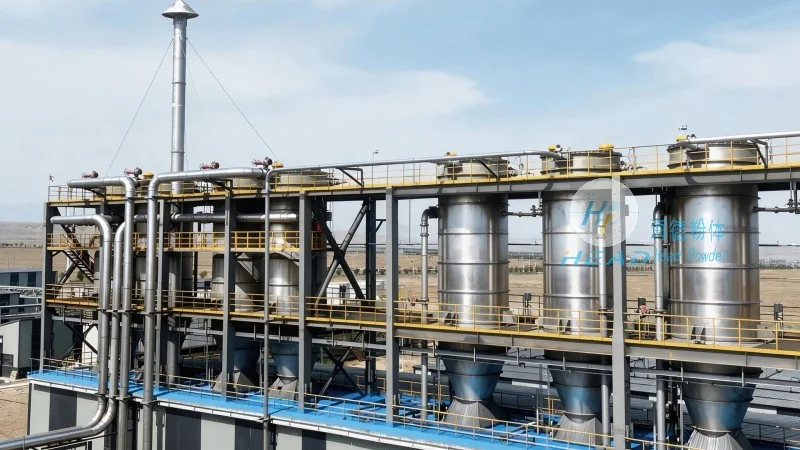
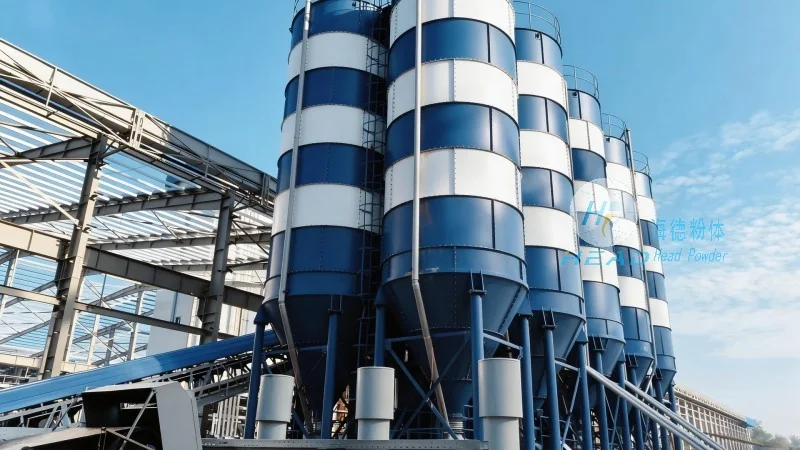
The successful operation of a pharmaceutical pneumatic conveying system relies on a combination of specialized components, each playing a critical role in the overall process. The primary components include the material feed hopper, which holds the bulk powder; the air compressor or blower, which generates the necessary airflow; the conveying line (typically made of stainless steel or other inert materials to prevent contamination); and the control system that regulates pressure, flow, and material delivery. Additionally, features such as cyclone separators, filters, and dust collection systems are integrated to ensure that the conveyed material is separated from the air stream and that the system remains clean and compliant with regulatory standards.
Working Principle: How It Operates
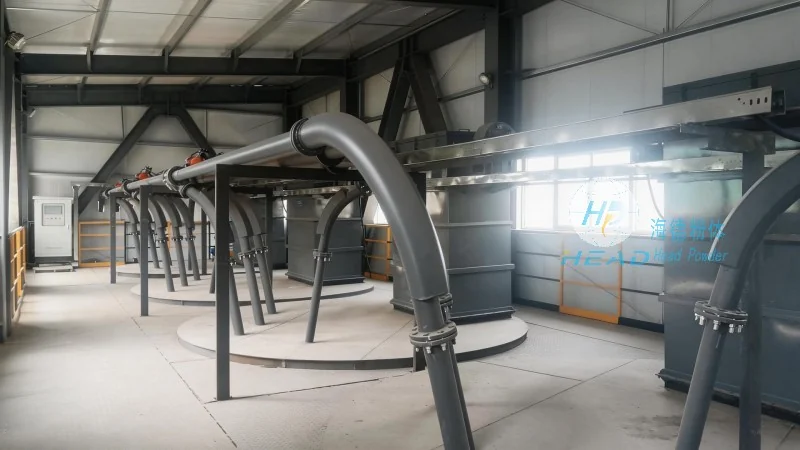
The working principle of pharmaceutical pneumatic conveying can be broken down into distinct phases. The process begins with the material being introduced into the feed hopper. A rotary valve or feeder then meters the powder into the conveying line at a controlled rate. Simultaneously, the air compressor generates a high-pressure air stream that is introduced into the line. As the air and material mix, the powder is suspended in the air and propelled through the pipeline. The velocity of the air is carefully managed to maintain the powder in a suspended state without causing excessive wear or degradation. The conveying line may include bends, expansions, or reductions, which are designed to handle changes in direction and pressure while minimizing pressure drops and ensuring smooth material flow.
Control and Monitoring Systems
Modern pharmaceutical pneumatic conveying systems incorporate advanced control and monitoring technologies to optimize performance and ensure compliance with industry regulations. These systems typically include pressure sensors, flow meters, and level indicators that provide real-time data on system performance. The control unit adjusts the air pressure and flow rate based on feedback from these sensors, ensuring consistent material delivery and preventing issues such as clogging or underflow. Additionally, the system may include alarms and safety interlocks to detect and respond to abnormal conditions, such as pressure spikes or material blockages, thereby protecting both the equipment and the product.
Advantages of Pharmaceutical Pneumatic Conveying
Pharmaceutical pneumatic conveying offers several advantages over traditional material handling methods. One of the most significant benefits is the ability to maintain a closed system, which minimizes exposure to contaminants and ensures product purity. This is particularly important in pharmaceutical manufacturing, where even trace amounts of impurities can affect product quality and safety. Additionally, the system allows for precise control over material flow rates, enabling accurate dosing and batch processing. The technology also reduces labor costs by automating the material handling process and minimizing the need for manual handling of bulk powders. Furthermore, pneumatic conveying systems are compact and can be integrated into existing facility layouts, making them a flexible solution for various pharmaceutical production environments.
Applications in Pharmaceutical Manufacturing
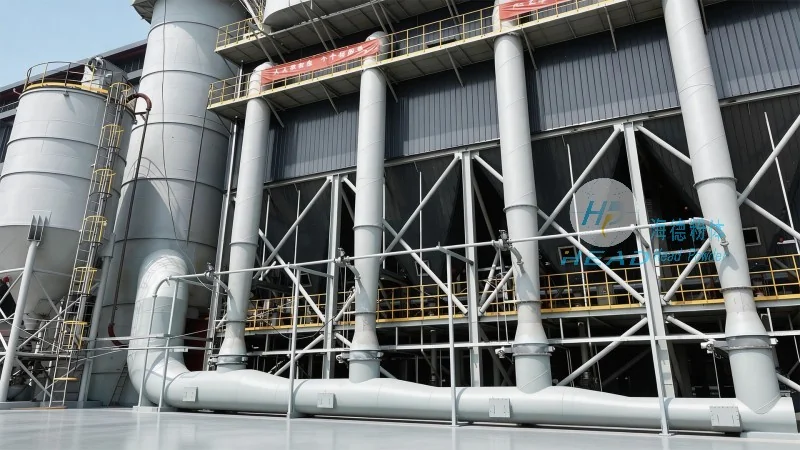
Pharmaceutical pneumatic conveying is widely used in various applications within the pharmaceutical industry. It is commonly employed for transporting raw materials such as active pharmaceutical ingredients (APIs), excipients, and intermediates from storage silos to processing lines. The system is also used to move finished products from packaging lines to storage or shipping areas. In addition, it plays a crucial role in the handling of waste materials, such as rejected batches or expired products, ensuring that these materials are disposed of in a controlled and hygienic manner. The versatility of pneumatic conveying makes it suitable for a wide range of powder types, including fine powders, granules, and even cohesive materials, provided the system is properly designed and maintained.
Maintenance and Best Practices
To ensure the reliable and efficient operation of pharmaceutical pneumatic conveying systems, regular maintenance and adherence to best practices are essential. Routine maintenance tasks include cleaning the conveying line and components to prevent buildup of powder residues, which can lead to clogging or contamination. The air compressor and filters should be inspected and replaced as needed to maintain optimal airflow and prevent dust accumulation. Additionally, the system should be inspected for wear and tear on components such as rotary valves and bearings, which may require replacement to avoid system failures. Proper training of personnel on the operation and maintenance of the system is also critical to ensure that the equipment is used correctly and that any issues are addressed promptly. By following these best practices, pharmaceutical manufacturers can maximize the lifespan of their pneumatic conveying systems and maintain the high standards of product quality and safety required in the industry.




